Last year, our customers made an average of £24.94*selling their books to us.
Sell My Books
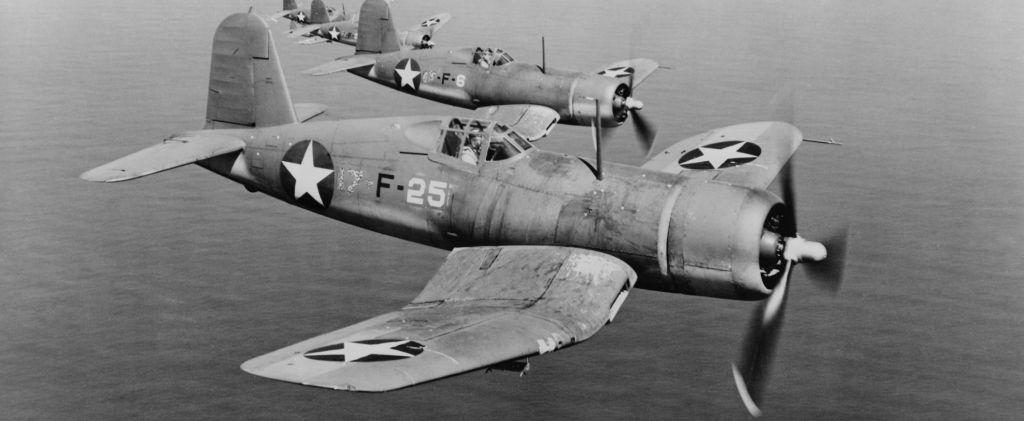
There’s something about WW2 fiction that stays with you. Whether it’s the high-stakes drama, the humanity under pressure, or the heartbreaking beauty of small acts of courage, stories set during the Second World War seem to cut deeper. They help us imagine what it was like to live through unthinkable times.
And while we’ve already shared our picks for the best non-fiction WWII books, this list is all about stories! The imagined, the embellished, and the ones that feel painfully real because, in many cases, they were inspired by true events.
At WeBuyBooks, we handle thousands of books about WW2 each year, many of them fiction, many of them unforgettable. Some of us lean toward the emotional and romantic, others prefer gritty realism, but together we’ve curated a list of 20 of the best WWII novels that reflect a broad range of voices, perspectives, and themes.
These are the books we’ve read, loved, discussed, and in some cases, cried over. And if you’ve read a few of these already and need to clear space on your shelves, don’t forget you can sell your history books to us with ease.
So, let’s get into it.
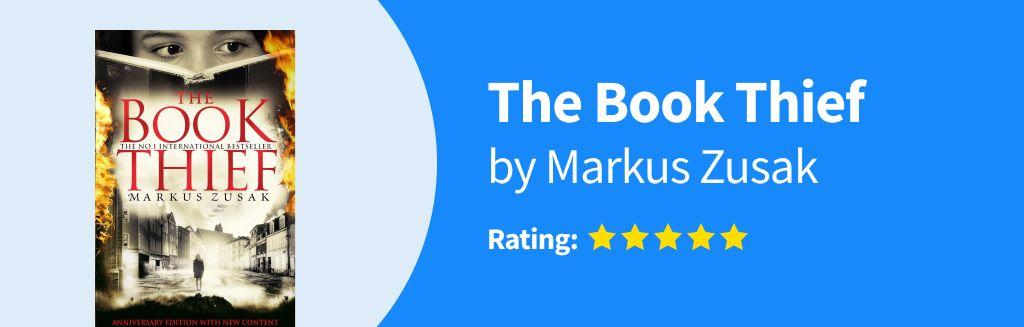
What it’s about: Set in Nazi Germany during the early years of World War II, The Book Thief follows Liesel Meminger, a young girl sent to live with a foster family in a small German town. She arrives illiterate but quickly becomes fascinated with books, stealing them when she can and finding comfort in reading during times of bombing raids and uncertainty. Her family hides a Jewish man in their basement, and Liesel’s growing awareness of the world is shaped by both small acts of kindness and unthinkable acts of cruelty. The story is uniquely narrated by Death, who offers haunting insight into the fragility of life.
Why we love it: This book is unforgettable for its voice alone. The use of Death as narrator could have felt gimmicky, but Zusak pulls it off with elegance and emotional weight. As a team, we found that the contrast between Liesel’s innocence and the brutal backdrop of the Holocaust makes every small moment of compassion feel monumental. It’s not just a story about war, it’s a story about words, and how books can be a lifeline in times of darkness. The imagery, emotional pacing, and moral clarity make it clear to see why this book is so popular and we can firmly say its an all-time favourite. A genuine modern classic.
Fun fact: The book has been translated into over 40 languages and adapted into a 2013 film.
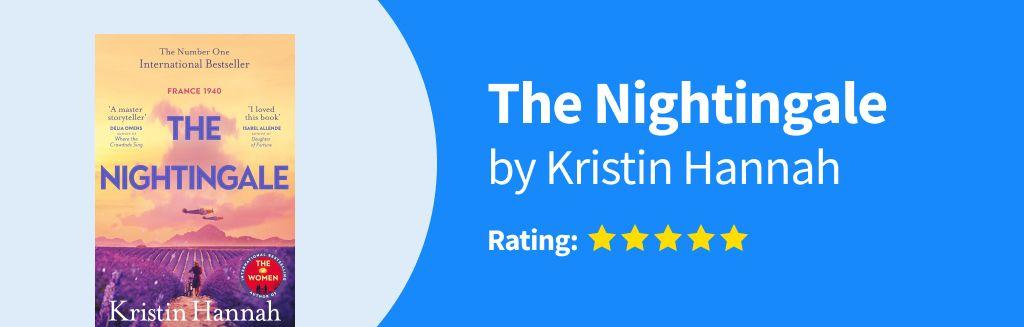
What it’s about: This historical WW2 novel centres on two sisters, Vianne and Isabelle Mauriac, living in Nazi-occupied France. While Vianne tries to keep her head down and protect her daughter after her husband is sent to the front, Isabelle is fiery, rebellious, and quickly becomes involved with the French Resistance. The novel spans the entirety of the war, showing the growing risks, personal sacrifices, and brutal consequences faced by civilians—especially women—under occupation. It explores themes of loyalty, survival, betrayal, and the unspoken roles women played in the resistance.
Why we love it: This was passed around the office like wildfire. It’s emotionally intense, beautifully written, and shines a light on women’s roles in wartime that are often overlooked. It’s inspired by real female resistance fighters, which makes it all the more moving. You’ll probably need tissues!
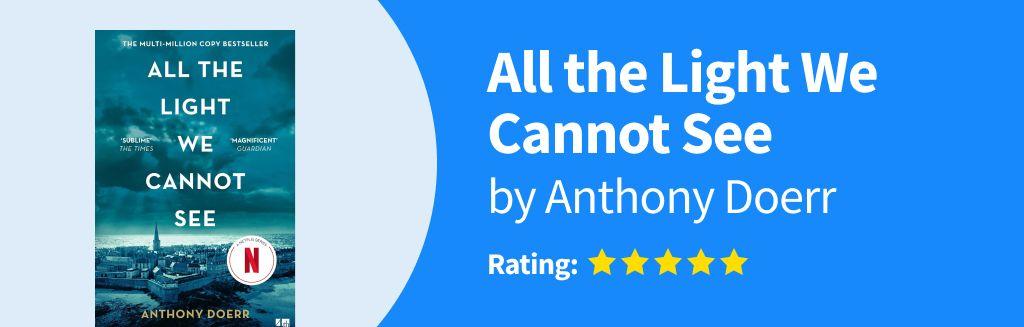
What it’s about: This Pulitzer Prize-winning novel tells two parallel stories during WWII. One follows Marie-Laure LeBlanc, a blind French girl living in Saint-Malo with her locksmith father, who works at the Museum of Natural History in Paris. When the Germans occupy Paris, they flee, possibly carrying a cursed diamond that the Nazis want. The other story follows Werner Pfennig, an orphan in Germany whose talent for radio engineering lands him a place at a brutal Nazi academy and later, in a unit that tracks resistance broadcasts. Their lives slowly converge in a breathtaking final act.
Why we love it: We think this is one of the most beautifully written novels of the past two decades. - the writing is stunning! The short chapters, alternating timelines, and Doerr’s ability to make you care deeply about both sides of the war make this unforgettable. Several of us ranked this as a top-three WWII novel ever!
Fun fact: Won the Pulitzer Prize for Fiction in 2015. Now a Netflix series.
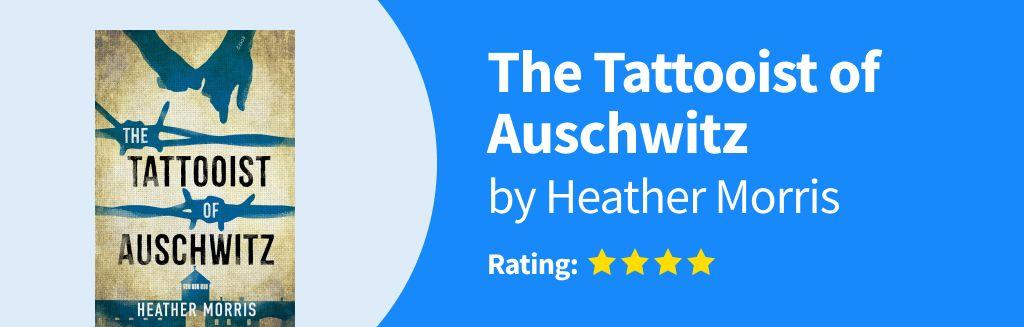
What it’s about: Based on the true story of Lale Sokolov, a Slovakian Jew who is transported to Auschwitz and assigned the job of tattooing identification numbers on fellow prisoners. In this horrific setting, he meets Gita, a fellow prisoner, and their love story unfolds amidst the chaos. Lale risks everything to help others, trading contraband to get food and medicine for fellow inmates. The novel is a testimony to hope and human resilience under the darkest of circumstances.
Why we love it: We’ll be honest, this book sparked a lot of conversation among our team. Some of us were drawn in immediately by the simplicity and emotional impact of the story, while others appreciated that it brought lesser-known aspects of Auschwitz to light. It’s not a heavy historical deep-dive, but it’s accessible, heartfelt, and has introduced many readers to Holocaust literature for the first time. If you want a story of love and survival, this one leaves a mark.
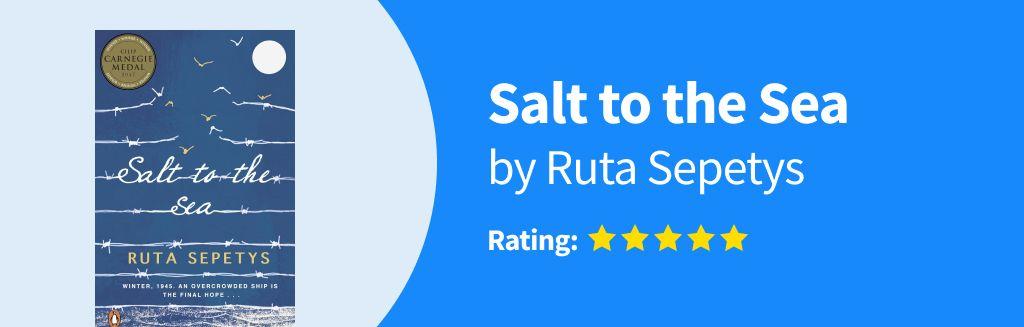
What it’s about: This young adult novel is set in 1945 and follows four refugees from different backgrounds - Joana, Emilia, Florian, and Alfred - as they journey toward the port of Gotenhafen in hopes of boarding the Wilhelm Gustloff, a real German ship meant to evacuate civilians. Each character carries secrets and guilt, and their stories converge as history’s deadliest maritime disaster looms.
Why we love it: This one hit us hard. Most of us actually didn’t know anything about the Wilhelm Gustloff before reading this book, and we’re book people! Sepetys does something special here: she writes history in a way that feels personal and immediate. The alternating points of view make the story feel layered and real. It’s technically YA, but don’t let that fool you - it’s deeply moving and very well written.
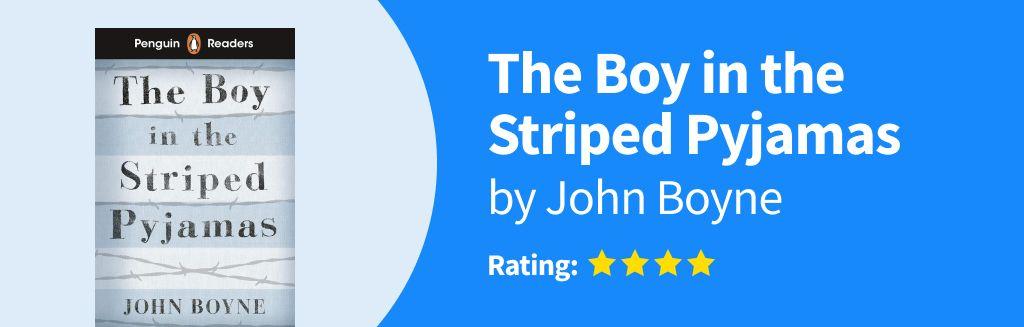
What it’s about: Told from the perspective of Bruno, the 8-year-old son of a Nazi commandant, the story follows his move to a new home beside a concentration camp, though he doesn’t fully understand what it is. He meets Shmuel, a Jewish boy on the other side of the fence, and a secret friendship forms. As their connection deepens, Bruno’s innocence is confronted by a reality he can’t quite grasp.
Why we love it: This is one of those stories that catches you off guard. Even if you’ve already seen the film (and let’s face it, most of us have), the book brings a different kind of emotional depth. There’s something about experiencing the story through Bruno’s thoughts, his naivety and confusion, that hits differently on the page. It’s simple, but powerful and it’s a great option for readers who want a shorter WWII novel that still packs a serious emotional punch. It's not a history lesson, and it doesn’t try to be one. Instead, it offers a deeply emotional look at innocence and friendship during a time of cruelty.
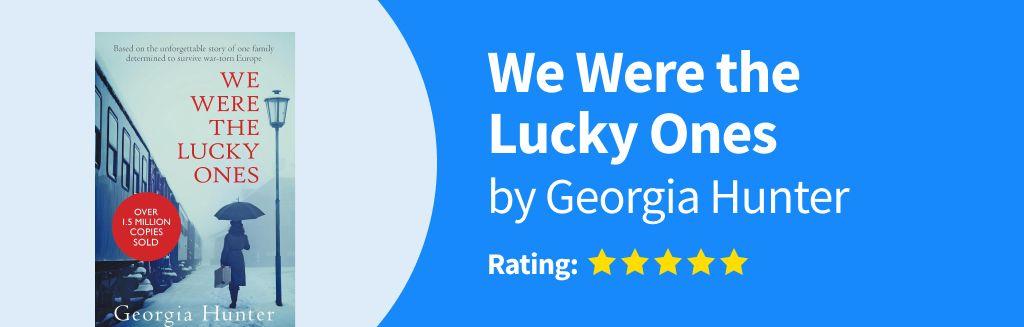
What it’s about: Inspired by the author’s own family history, this novel follows the Kurc family, a large Polish-Jewish family who are scattered across Europe during the war. From forced labour camps in Siberia to underground resistance networks in Warsaw, each family member fights to survive and to reunite.
Why we love it: It’s the kind of book you want to talk about the moment you finish. Knowing it’s based on true events gives the story even more weight, but it’s the emotional strength of the family bond that really pulls you in. It’s heartbreaking at times, but also incredibly hopeful. We’d recommend this to anyone who loves multi-perspective stories that really draw you into the lives of the characters.
Fun fact: Georgia Hunter only learned the full extent of her family’s WWII story as an adult, and spent nearly a decade researching it.
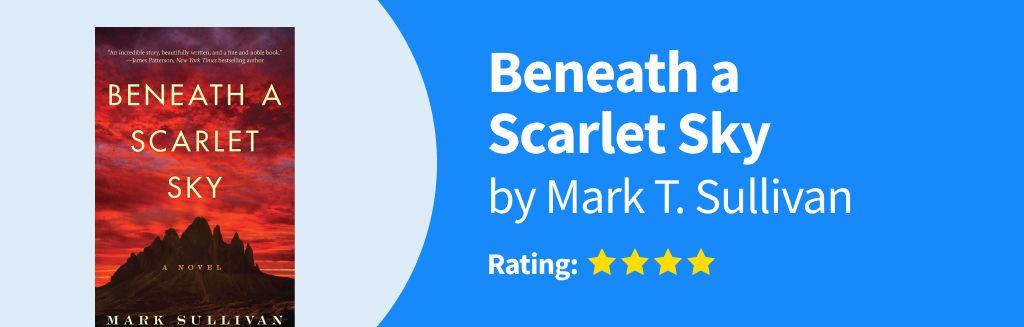
What it’s about: Set in Nazi-occupied Italy, this novel is based on the true story of Pino Lella, a teenage boy who helps Jews escape through the Alps and later becomes the personal driver for one of Hitler’s top generals - while secretly spying for the Allies.
Why we love it: This book reads like a thriller but hits like a biography. It's fast-paced, packed with action, and introduces a side of the war that doesn’t get talked about as often - Italy’s resistance. Several of us found ourselves Googling Pino Lella afterwards just to confirm how much of it was true. If you're into stories about unlikely heroes and hidden courage, this one’s for you.
Fun fact: The novel was optioned for a movie adaptation by Spider-Man actor Tom Holland.
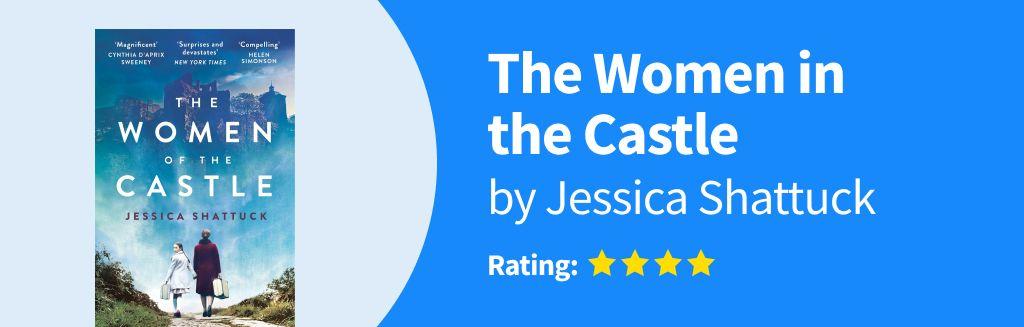
What it’s about: Set in post-war Germany, this novel follows three widows of men involved in the failed assassination attempt on Hitler. They come together in a crumbling Bavarian castle, each carrying secrets, guilt, and their own way of processing the war's impact.
Why we love it: This book offers something really different; it’s not about battles or resistance, but what happens after. It made us think about what survival actually looks like for those who are left behind, especially from the German side of the story. It’s quiet, reflective, and beautifully written. A great pick for readers who enjoy character-driven historical fiction with moral complexity.
Fun fact: The author drew inspiration from her German grandmother, who had her own complicated relationship with the Nazi regime.
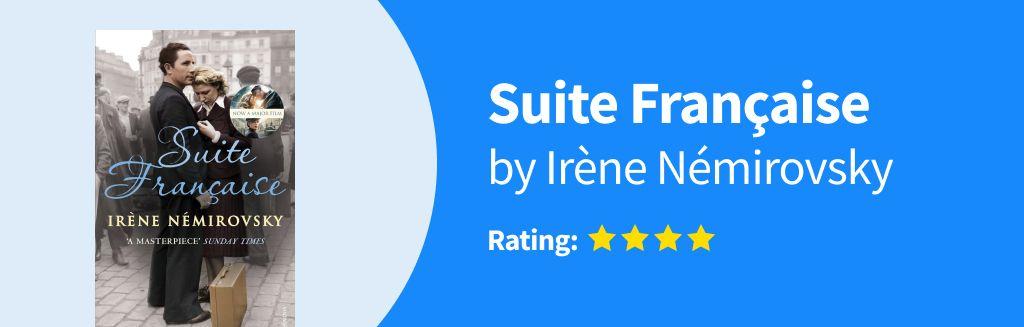
What it’s about: Written during the early years of the German occupation of France, this novel portrays the chaos and heartbreak experienced by ordinary people during the fall of Paris and the beginning of Nazi rule. It’s divided into two parts (the rest was never finished), capturing the fear, betrayal, and flickers of kindness during wartime.
Why we love it: This WWII book feels incredibly special because of how and when it was written. Némirovsky was living through the events she was describing, and that immediacy comes through in every scene. Tragically, she was arrested and died at Auschwitz before she could finish the work - but what survives is moving, sharp, and filled with humanity. We’d recommend it to anyone looking for a truly unique WWII reading experience.
Fun fact: The manuscript was discovered by Némirovsky’s daughter decades later and published in 2004.
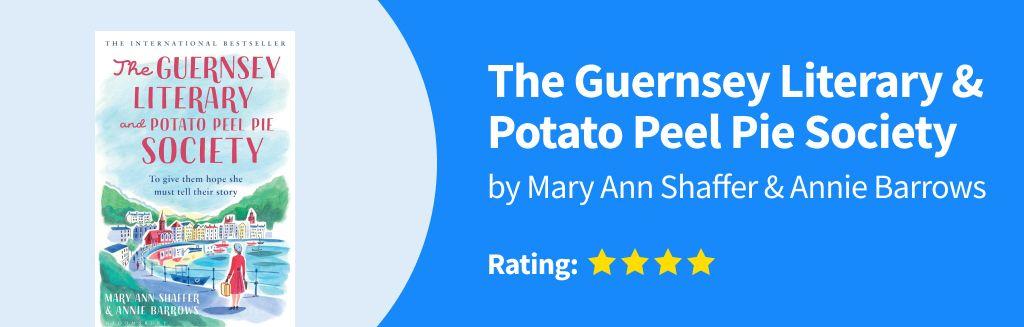
What it’s about: Told through a series of letters, this charming novel follows a London writer in the aftermath of WWII who begins corresponding with residents of Guernsey, a Channel Island occupied by the Nazis during the war. As she learns more about the islanders' stories, she becomes drawn into their world and starts a new chapter in her own life.
Why we love it: This one’s just… delightful. It’s not intense or dark like some of the other titles here, but that’s kind of the point. It captures how people stayed connected, resilient, and full of humour even in the darkest of times. Several of us loved the unique format and quirky cast of characters. Perfect for fans of gentle fiction with a historical setting.
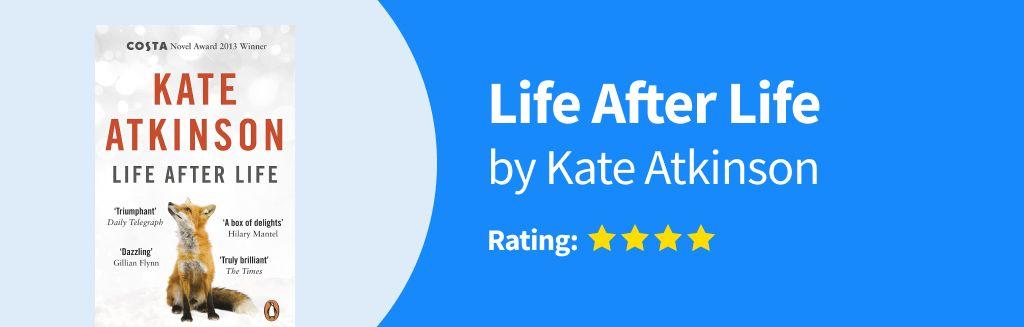
What it’s about: This literary novel follows Ursula Todd, who is born in 1910 and dies… repeatedly. Each time, she is reborn, her life unfolding in different ways - often shaped by the events of WWII. It’s part historical fiction, part alternate reality, and explores how small choices can change the course of a life, or a war.
Why we love it: This one’s a bit different, but we’re glad we stuck with it. It’s beautifully written, full of clever detail, and asks big questions about fate, free will, and the randomness of survival. If you like literary fiction with a twist, or books that challenge the typical WWII narrative, this will give you a lot to think about.
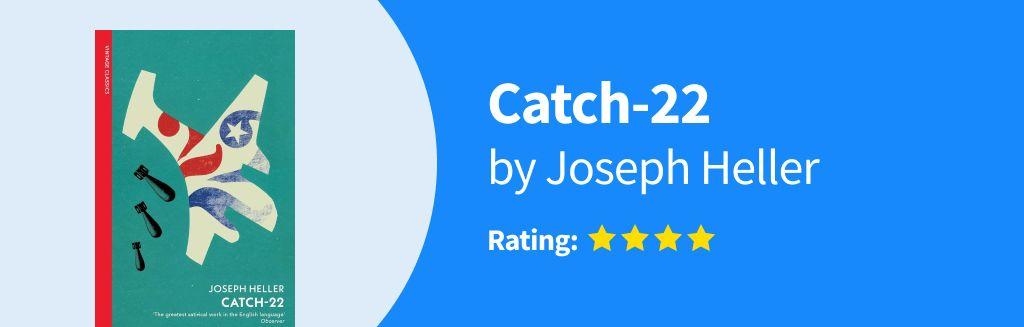
What it’s about: This satirical novel follows Captain John Yossarian, a U.S. Army bombardier trying to survive the absurdity of war in Italy. Trapped in a bureaucratic nightmare where the only way to be declared insane is to ask not to fly more missions, but doing so proves your sanity, Yossarian navigates a surreal and darkly funny world.
Why we love it: If you’re looking for something completely different from your usual WWII fiction book, this is it. It’s funny, frustrating, bizarre and brilliant. It reminded us how overwhelming and illogical war must have felt for the people stuck in it. A classic for readers who like their fiction bold, satirical, and thought-provoking.
Fun fact: The term “Catch-22” originated from this novel and has since entered everyday language.
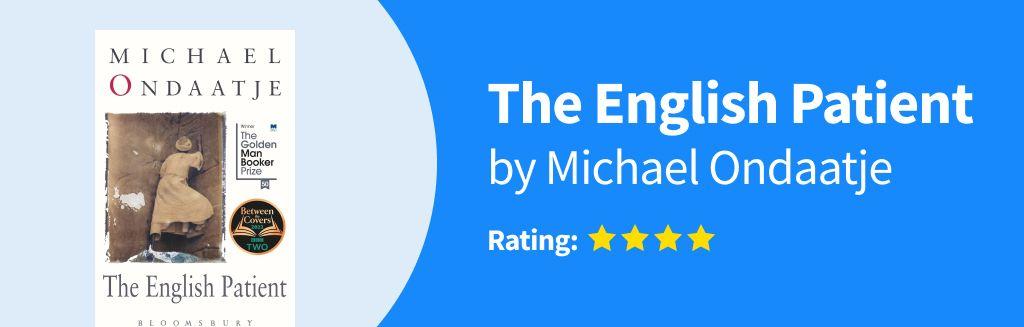
What it’s about: Set in an Italian villa during the final days of the war, this poetic novel explores the intertwined lives of four people: a mysterious burn victim known as the English patient, his Canadian nurse, a Sikh sapper, and a thief. As they shelter from the war around them, secrets are revealed that bind them in unexpected ways.
Why we love it: This one’s slow and atmospheric, but if you let it, it draws you in completely. The writing is stunning, the characters feel layered and real, and the story explores war in a more personal, internal way. If you like literary fiction that lingers long after the last page, this is a great pick.
Good to know: The novel won the Booker Prize and was adapted into a nine-time Oscar-winning film.
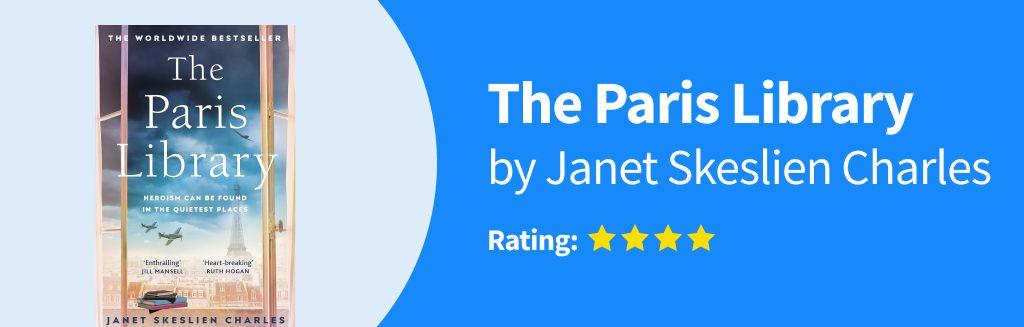
What it’s about: Based on the true story of the librarians at the American Library in Paris during the Nazi occupation, this dual-timeline novel follows Odile, a book-loving Parisian in 1939, and Lily, a teenager in 1980s Montana. As their lives connect, secrets are slowly revealed about courage, betrayal, and the power of books to both divide and unite.
Why we love it: This is a novel for people who love books about books (so all of us obsessed with books at WeBuyBooks). It reminded us how even small acts, like delivering a banned book, can be forms of resistance. It’s quiet, character-driven, and a great choice if you like stories that mix past and present timelines with heart and depth.
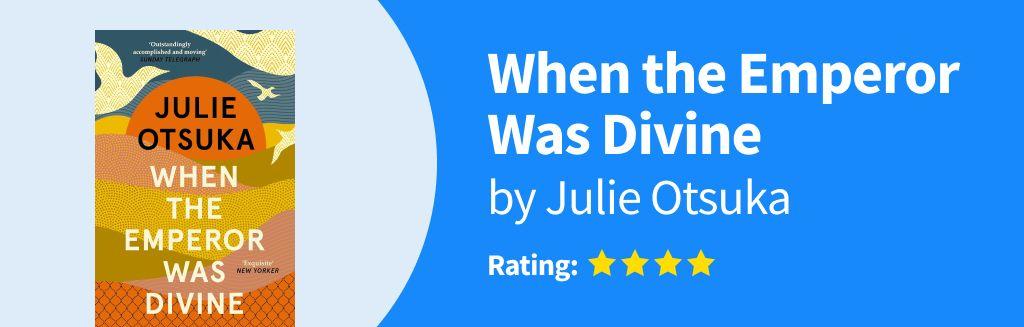
What it’s about: This slim but powerful novel explores the Japanese-American internment during WWII through the eyes of a mother, daughter, and son sent from California to a camp in Utah. Told with sparse, lyrical prose, it captures both the quiet devastation of injustice and the resilience of those forced to endure it.
Why we love it: We don’t see nearly enough fiction about the American home front - especially from non-white perspectives. This one really stayed with us. It’s understated but emotionally precise, and a reminder that the war touched lives far beyond the battlefield.
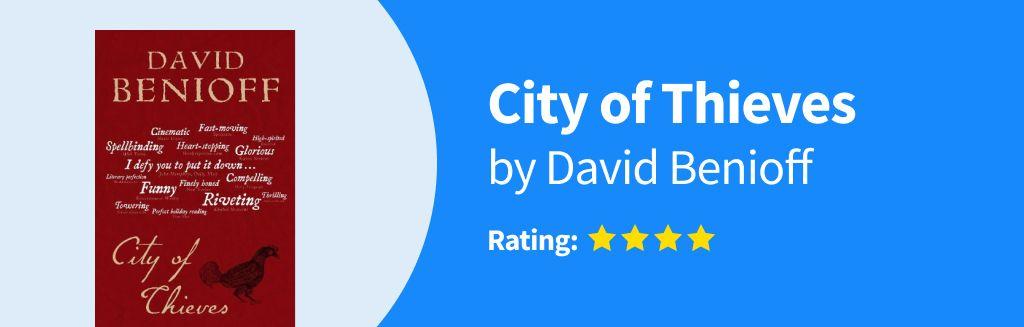
What it’s about: Set during the siege of Leningrad, this novel follows two unlikely companions, a teenager accused of looting and a charismatic soldier, who are sent on an absurd mission: to find a dozen eggs for a Soviet colonel’s daughter’s wedding cake. What follows is part road-trip, part survival tale, and part dark comedy.
Why we love it: This one took us by surprise. It’s gritty and bleak at times (as you’d expect from a novel set during a siege), but also funny and strangely uplifting. If you like stories with odd-couple dynamics, tense survival scenes, and emotional payoffs, this is one we’ve recommended a lot over the years.
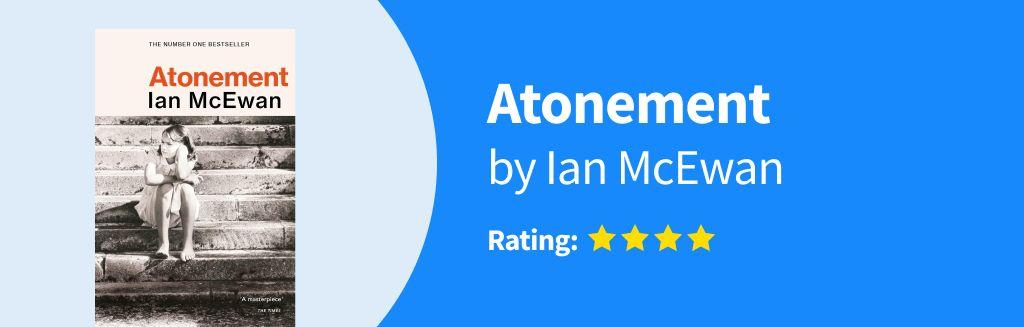
What it’s about: Spanning decades, this novel begins in 1930s England, where a single false accusation by a young girl irrevocably alters the lives of her sister and a housekeeper’s son. As the story unfolds into the chaos of WWII, it becomes a meditation on guilt, memory, and the possibility - or impossibility - of forgiveness.
Why we love it: This is a beautifully written, emotionally layered book. The ending is gutting, but in the best way. It’s not a war story in the traditional sense, but the scenes in wartime France and the psychological fallout feel just as powerful. A must-read if you love character-driven fiction with moral complexity.
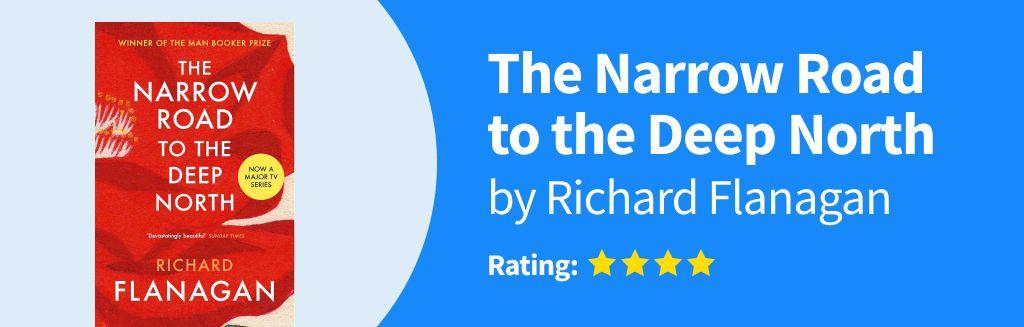
What it’s about: This Booker Prize-winning world war 2 novel follows Dorrigo Evans, an Australian army surgeon in a Japanese POW camp on the Thailand-Burma Death Railway. Intertwined with his experience of wartime captivity is a forbidden love story and his lifelong struggle with memory, trauma, and regret.
Why we love it: It’s heavy (no doubt about it) but so worth the read. Flanagan writes with unflinching honesty about human cruelty, but also about the lingering shadows of love and longing. This one sparked some intense conversations in the office. If you’re after something that really digs into the long emotional tail of war, this is a standout.
What it’s about: Set in 1940s Spain, just after the Spanish Civil War and during WWII, this novel follows a British veteran-turned-spy who is sent to Madrid to track a former schoolmate. What he uncovers is a complex web of political intrigue, moral compromise, and survival.
Why we love it: This was a great change of pace from the usual France/Germany/UK settings. It’s a slower burn, more of a spy novel than a front-line war story, but the atmosphere is rich and the moral stakes are high. We’d recommend it to anyone who enjoys espionage with a historical twist and a real sense of place.
At WeBuyBooks, we love any excuse to read more, and every month, we set ourselves a team challenge around a new theme. This month? WWII fiction.
We’ve been swapping dog-eared paperbacks, recommending favourites over lunch, and diving into everything from sweeping historical epics to quiet, character-driven stories set in the shadow of war. The 20 titles in this list are the ones that stood out - books we’ve genuinely read, discussed, and agreed are worth sharing with fellow book lovers.
Whether you're in the mood for a moving love story, a tense survival tale, or something that simply makes you feel something, there’s a book here for you.
And if, like us, you’re running out of shelf space, why not sell your history books to WeBuyBooks and make space for your next reading obsession?
Want to go deeper? Don’t miss our related blogs from previous themes:
Like this post? These posts may be of interest to you:
Would you like to continue the conversation? Share this post!





 How It Works
 How It Works
 Get 10% Extra