Last year, our customers made an average of £24.94*selling their books to us.
Sell My Books
If you’ve ever found yourself lost in a late-night documentary about D-Day, mesmerised by a shelf full of old military hardbacks, or asking, "How could something like that have happened?", then you’re in the right place.
At WeBuyBooks, we’re a team of history lovers, armchair generals, and curious minds. And when it comes to World War II, we don’t just read the books - we talk about them constantly. Whether it’s debating which general made the best strategic decisions, swapping personal favourites from our warehouse finds, or quietly rereading memoirs that stick with you long after the last page, we never really stop learning about this period. It’s one of those topics you can come back to time and again, and each time, find something new.
We also see thousands of history books come through our warehouse every year. WWII books, in particular, are among the most collected and resold titles we handle. From firsthand accounts and military analysis to political deep dives and heartbreaking memoirs, the best WWII books go beyond facts and figures. They offer human stories, moral complexity, and powerful insights into a world that teetered on the edge.
So, we thought, why not share the ones we think are truly worth your time? This guide brings together 15 of the best non-fiction books about WWII - including classics we’ve read and loved, titles our customers buy and sell most often, and some newer picks that have really impressed us. Whether you’re just beginning your journey into WWII history or looking to deepen your knowledge, there’s something here for every kind of reader.
And if reading this inspires a bit of a bookshelf clear-out, remember, we’re here for that too. You can sell your history books to us quickly, easily, and give them a second life in someone else’s library.
Let’s dive in.
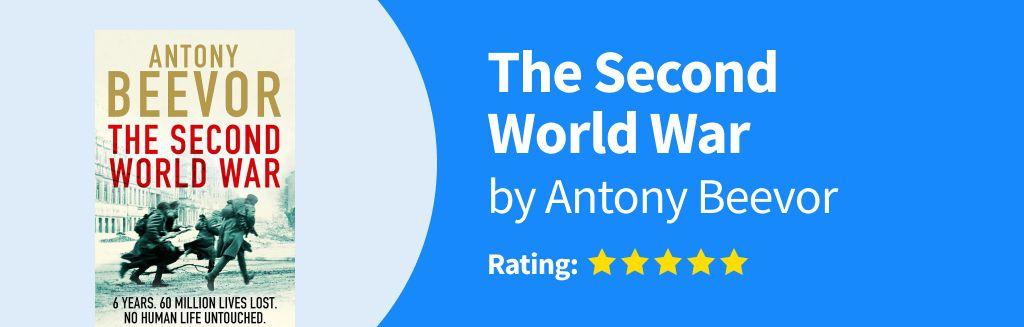
What it’s about: This is a single-volume overview of the entire Second World War, spanning all major theatres - from the German invasion of Poland to the fall of Berlin and the aftermath in Japan. Beevor covers military strategy, diplomacy, and the personal experiences of soldiers and civilians. The book weaves together stories from the Western and Eastern fronts, the Pacific campaign, and resistance movements, highlighting the interconnectedness of events around the globe.
Why we like it: This book comes up in conversation at WeBuyBooks more than almost any other WWII title. A few of us have read it cover to cover, and despite its size, we didn’t want to put it down. It’s the kind of book that makes you pause and reread sections, not because they’re confusing, but because they’re so compelling. Beevor manages to capture the global scale of the war without ever losing sight of the people caught up in it.
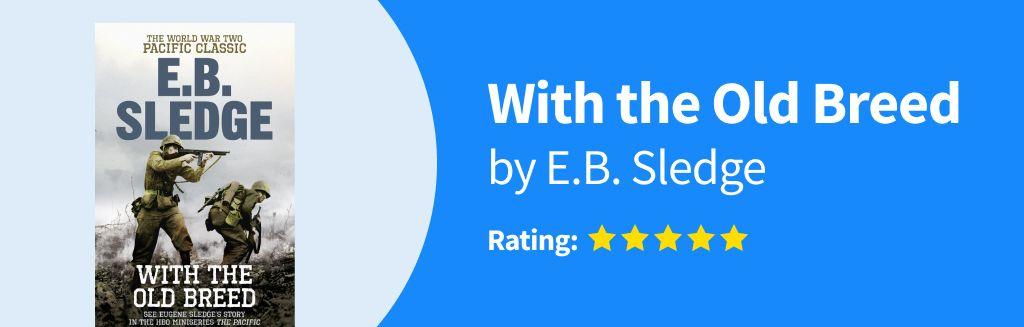
What it’s about: Written by Eugene “Sledgehammer” Sledge, this memoir recounts his time as a U.S. Marine in the Pacific War. He saw some of the most brutal combat of the war on Peleliu and Okinawa, and his writing captures both the horror and the camaraderie of frontline service. Originally written as a private document for his family, the book is remarkably candid, emotional, and detailed.
Why we like it: It’s one of the most visceral and honest WWII memoirs we’ve ever read. A few of us who read this found ourselves sitting in silence after finishing the final chapter. It’s that powerful. Sledge doesn’t just describe war, he puts you in the mud, the heat, and the fear. One of our team described it as “the most human war book I’ve ever read.” It's stayed with us in a way that few books do.
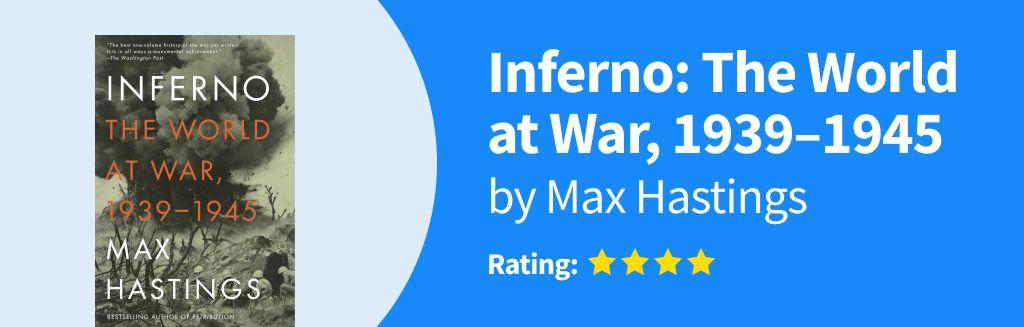
What it’s about: Unlike many top-down histories, Inferno tells the story of WWII from the bottom up. Hastings brings in hundreds of eyewitness accounts from soldiers, nurses, prisoners, and civilians across every continent touched by the war. It covers major battles, yes, but also moments of survival, fear, defiance, and loss that don’t always make the headlines.
Why we like it: It’s a deeply empathetic book. You come away with a sense not just of what happened, but what it felt like to live through it. Hastings is a brilliant storyteller who knows how to let real voices shine. We often recommend this to readers who’ve read Beevor and want something a little different. Hastings has a remarkable way of bringing in personal testimonies that feel almost cinematic. It genuinely broadens your perspective.
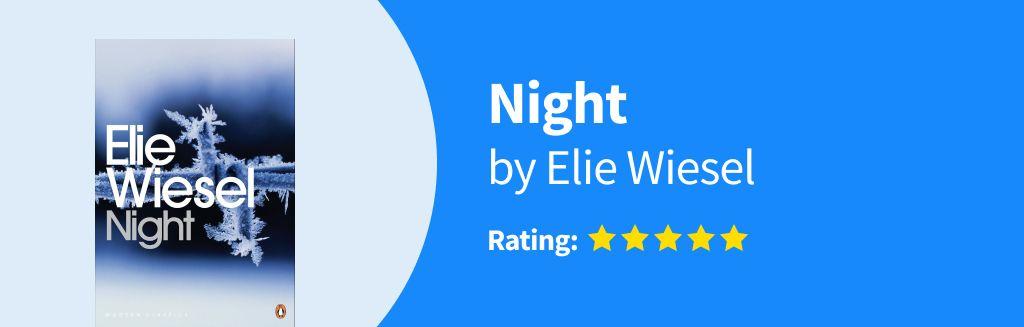
What it’s about: A brief but devastating memoir, Night recounts Wiesel’s experiences as a teenager in Auschwitz and Buchenwald. He writes of the loss of his family, his faith, and his innocence, bearing witness to the unimaginable atrocities of the Holocaust with restraint and poetic power.
Why we like it: This isn’t just a Holocaust memoir; it’s a deeply philosophical meditation on suffering, silence, and survival. You don’t read Night and move on, it’'s one of those books that never leaves you. Several of us read this in school or early in our history-reading journeys, and it shaped how we understood the Holocaust. It’s short but emotionally devastating. There’s a kind of quiet strength in Wiesel’s writing that makes it unforgettable. If you’ve never read it, we honestly urge you to.
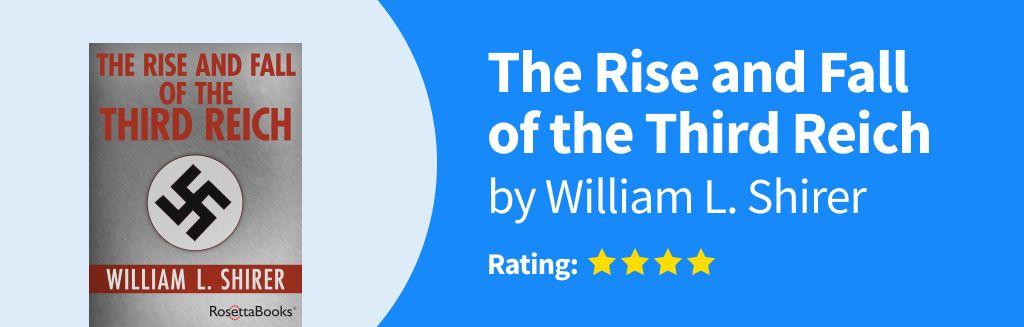
What it’s about: Shirer, an American journalist who spent years in Nazi Germany, tells the full story of the Third Reich’s origins, ideology, expansion, and collapse. Drawing from captured Nazi documents, trial records, and his own observations, he creates a richly detailed portrait of how the regime operated from the inside.
Why we like it: It’s massive, but it’s also a cornerstone of WWII literature. For readers wanting to understand how Hitler rose to power and maintained control, this is essential reading.
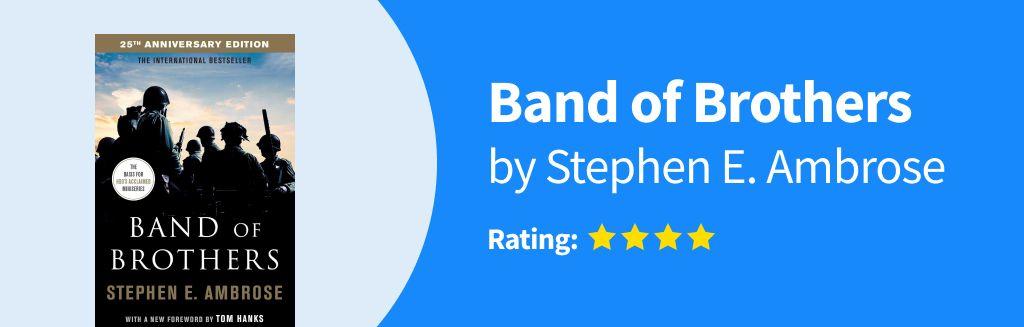
What it’s about: This book follows Easy Company, part of the 101st Airborne Division, from their training in Georgia to their campaigns in Normandy, the Battle of the Bulge, and finally into Germany. It draws on interviews and letters to recreate the bonds between these soldiers and the brutal reality of their experiences.
Why we like it: Some of us came to the book after watching the TV series, but we stayed for the extra details and deeper insight you just can’t get on screen. You feel like you know the men of Easy Company by the end. It’s one of those books that makes you grateful the stories were preserved while the veterans were still here to tell them.
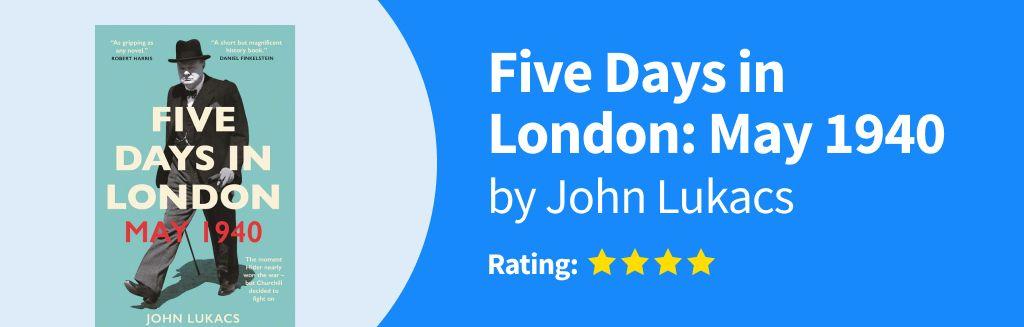
What it’s about: This tightly focused book examines the five-day period when Winston Churchill and his cabinet debated whether Britain should negotiate peace with Hitler or continue fighting. Drawing on cabinet minutes, speeches, and personal diaries, Lukacs unpacks the gravity of the moment when Britain’s future was on a knife-edge.
Why we like it: It proves that history doesn’t just unfold in grand battles, it also happens behind closed doors. This is a powerful study of leadership, courage, and moral clarity.
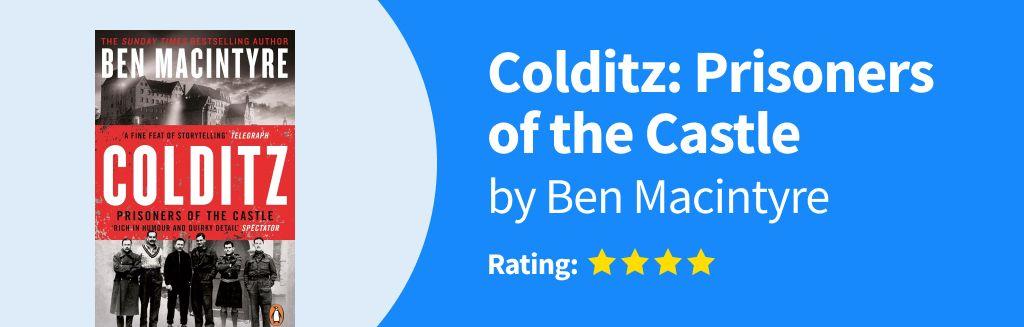
What it’s about: A gripping account of life inside Colditz, a high-security German prison for Allied officers. This book focuses on the ingenious escape attempts, eccentric personalities, and strange camaraderie that developed among prisoners of war.
Why we like it: This was a recent office favourite. It’s one of those books you start skimming during lunch… and then you end up staying late reading just one more chapter. Macintyre’s style makes even the footnotes interesting. We especially loved how it captured the strange, sometimes surreal dynamics of Colditz, where British stiff-upper-lip clashed with German efficiency in endlessly fascinating ways.
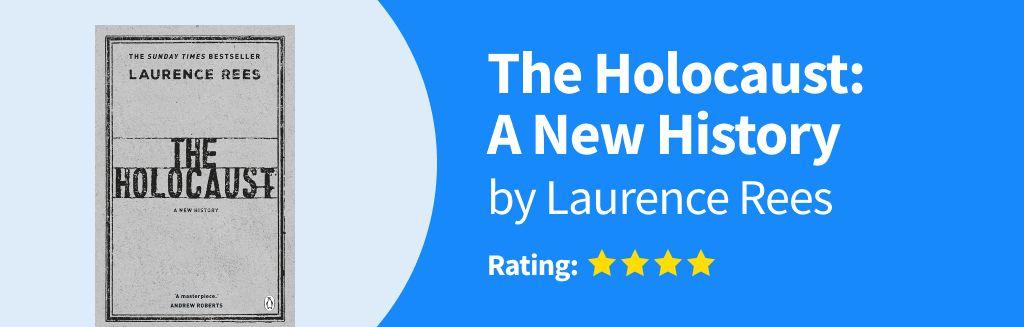
What it’s about: Rees synthesises survivor accounts, Nazi documents, and new scholarship into a comprehensive but accessible history of the Holocaust. He explores how antisemitism turned into genocide, and how ordinary people were drawn into the atrocity.
Why we like it: This book balances emotional weight with historical rigour. Rees is respectful but unflinching. It’s ideal for readers seeking to understand how the Holocaust happened, not just that it happened.
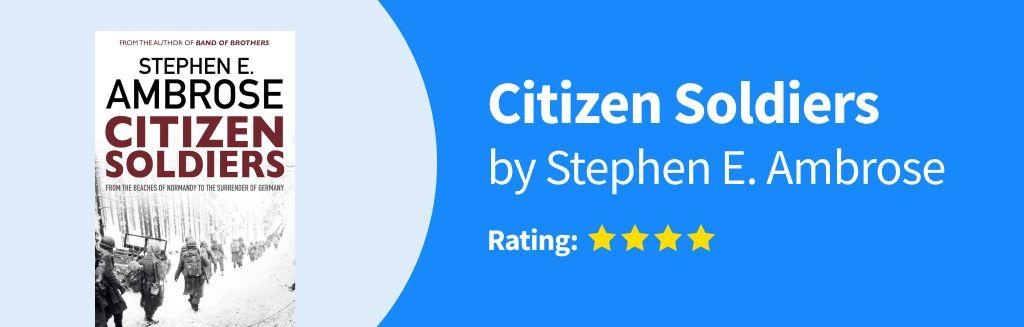
What it’s about: This companion to D-Day and Band of Brothers chronicles the experience of American infantry from the Normandy invasion through to Germany’s surrender. Based on extensive interviews, Ambrose highlights the bravery and banality of life on the front.
Why we like it: Ambrose excels at capturing the human side of history. You don’t just read this, you feel it. It’s particularly good for readers interested in personal accounts from the Western Front.
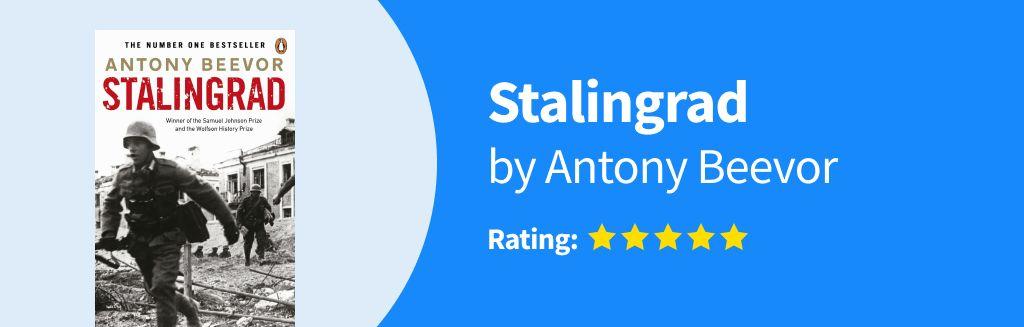
What it’s about: This detailed narrative focuses on the Battle of Stalingrad, where Nazi Germany and the Soviet Union fought one of the deadliest battles in history. Beevor uses diaries, reports, and survivor testimonies to recreate the horrors of urban warfare and starvation.
Why we like it: It’s brutal, intense, and brilliantly researched. Beevor doesn’t just explain strategy, he shows you the human cost on both sides. A masterpiece of military history. One of our team described reading this as “watching a slow, brutal tragedy unfold in real time.” Beevor’s ability to switch between strategic overviews and ground-level suffering is masterful. If you’ve ever wanted to understand just how catastrophic the Eastern Front was, for both sides, this is the book we’d hand you.
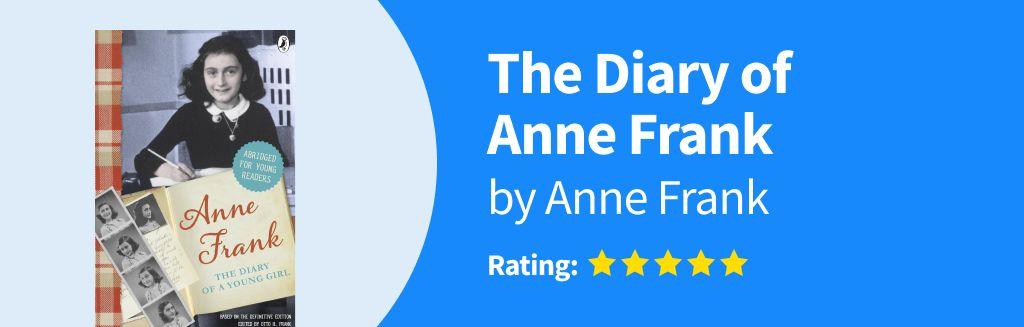
What it’s about: A young girl’s diary, written while hiding with her family from the Nazis in Amsterdam. Anne writes about daily life, fear, hope, and her dreams of becoming a writer—even as the world outside grows more dangerous.
Why we like it: It’s a voice that should never be forgotten. Anne's writing is astonishingly mature and deeply moving. It reminds us that history isn’t just events, it’s people.
This is one of those books that makes you realise how powerful a young voice can be. Some of us first read it as teenagers, and rereading it as adults brought a whole new layer of heartbreak. Her humour, her curiosity, her hope, they hit differently when you know what’s coming. It’s a story that reminds us why history must be remembered through individual lives.
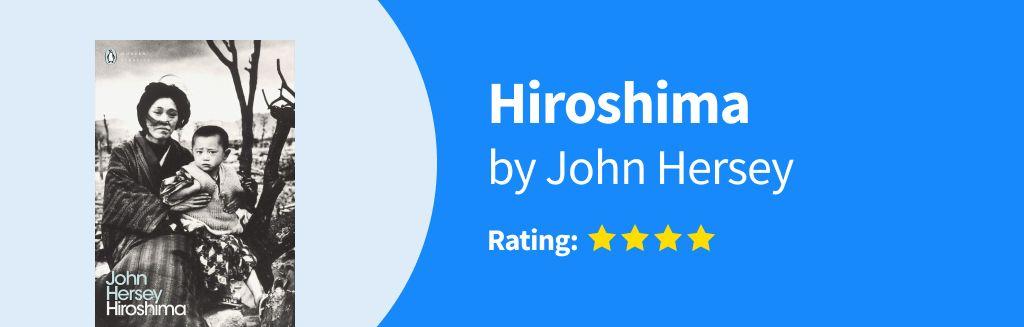
What it’s about: Originally published in The New Yorker in 1946, this book profiles six survivors of the atomic bombing of Hiroshima. Hersey tells their stories from the moment the bomb dropped to the years that followed.
Why we like it: It’s understated, which makes it even more powerful. Hersey lets the survivors speak for themselves, creating a clear-eyed portrait of an event that changed the world.
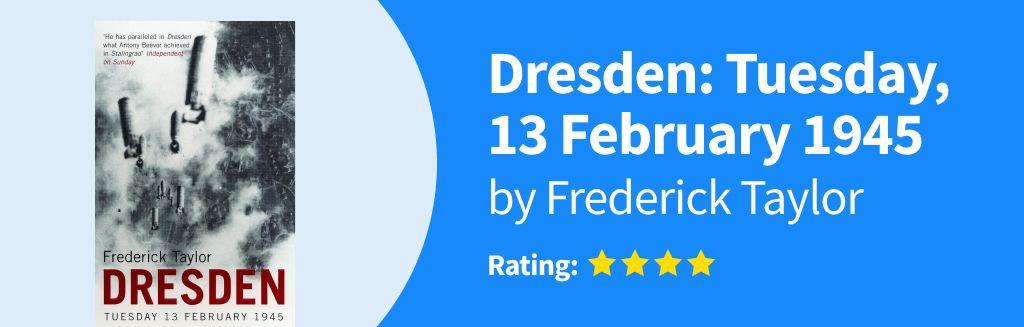
What it’s about: An investigation into the Allied firebombing of Dresden, which killed tens of thousands of civilians and remains a controversial chapter in the war. Taylor combines archival research with survivor accounts to unpack what happened and why.
Why we like it: It’s balanced, thoughtful, and doesn’t shy away from moral complexity. If you want to explore the ethical grey areas of WWII, this is an excellent place to start.
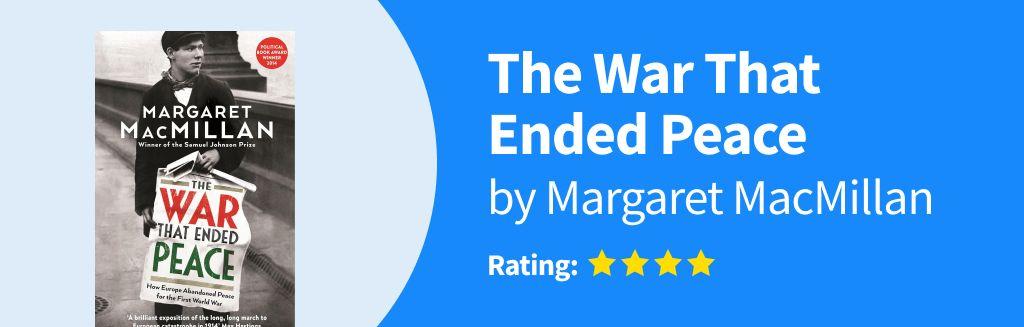
What it’s about: A wide-ranging exploration of the decades leading up to WWI, this book shows how political, social, and economic tensions gradually led Europe into catastrophe and laid the groundwork for WWII.
Why we like it: It’s a beautifully written prequel of sorts. MacMillan reminds us that WWII didn’t come out of nowhere. It’s ideal for readers looking to understand the bigger historical picture.
We know from experience, once you start reading about World War II, it’s hard to stop. There’s always another perspective, another forgotten story, another question that leads you deeper. That’s part of what makes these books so powerful: they don’t just inform, they stay with you.
As a team, we’ve read many of these titles ourselves. Some moved us, some shocked us, and others just helped us better understand the sheer scale and complexity of a conflict that shaped the modern world. And even the ones we haven’t yet got round to reading? We see them come through our warehouse often enough to know they’re loved by readers like you.
If this list has inspired you to pick up something new - or revisit a favourite - you’re in good company. And if it’s also made you realise your bookshelves are getting a little full, don’t forget: you can sell your history books to us at WeBuyBooks. We’ll make sure they find a new home, where someone else can discover the stories you once loved.
Thanks for reading, and keep exploring. There’s always more to learn!
Like this post? These posts may be of interest to you:
Would you like to continue the conversation? Share this post!





 How It Works
 How It Works
 Get 10% Extra