Last year, our customers made an average of £24.94*selling their books to us.
Sell My Books
It’s official: the Roman Empire lives in our heads rent-free, and not just mine, but across a surprisingly large portion of the WeBuyBooks team! And judging by those viral social media posts, we’re clearly not alone.
You’ve probably seen those viral posts asking how often people think about Ancient Rome, and honestly? The answer for us is: a lot. Whether it’s gladiator battles, political power plays, or dramatic betrayals, there’s just something about the Roman Empire that grabs hold and doesn’t let go.
That’s why we’ve rounded up our top picks of Roman fiction books that truly transport you back in time and immerse you in the glory, grit, and grandeur of the Empire. These fiction books about the Roman Empire offer vivid storytelling, compelling characters, and plenty of historical depth. Here are 20 of the best roman fiction books, each one hand‑selected because it kept us turning pages long into the night (and talking about it the next morning at the office coffee machine)!
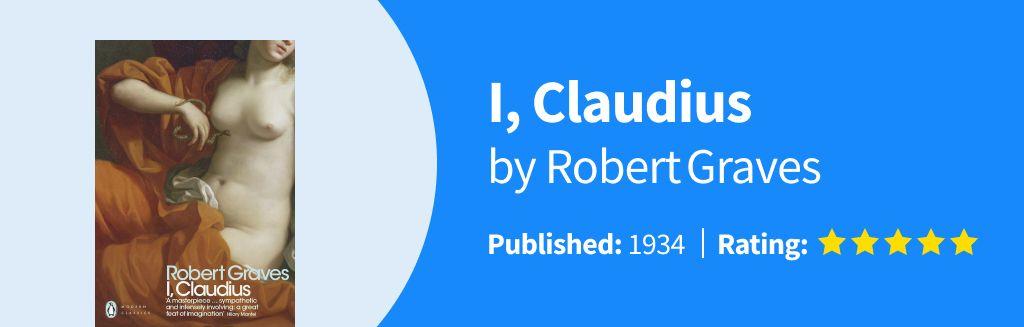
What it’s about: An autobiographical-style novel narrated by Claudius, the reluctant emperor who stumbles into power amid one of Rome’s most corrupt dynasties. From the madness of Caligula to the cunning of Livia, Claudius recounts the jaw-dropping rise and fall of his infamous family.
Why we love it: This was one of the first Roman novels I ever read, and it set the bar sky-high. Graves’s version of Claudius - awkward, clever, and always underestimated - totally pulled me in. The mix of gossip, politics, and pitch-black humour made the ancient world feel weirdly familiar. It's like stepping into the best kind of historical soap opera, except it's all based on real people, which somehow makes it even juicier.
Yes, the book was written back in 1934, and the style does lean a little formal, but don’t let that put you off. Once you tune into Claudius’s voice, it becomes oddly addictive. It reads like a sly, sardonic memoir from a man who survived palace poisonings by staying invisible. Nearly every “best Roman fiction books” roundup puts this at the top, and for good reason. Reviewers rave about Graves’s audacious decision to let the much-maligned Claudius narrate the collapse of his murderous family, and so do we. If you only read one Roman novel, make it this one.
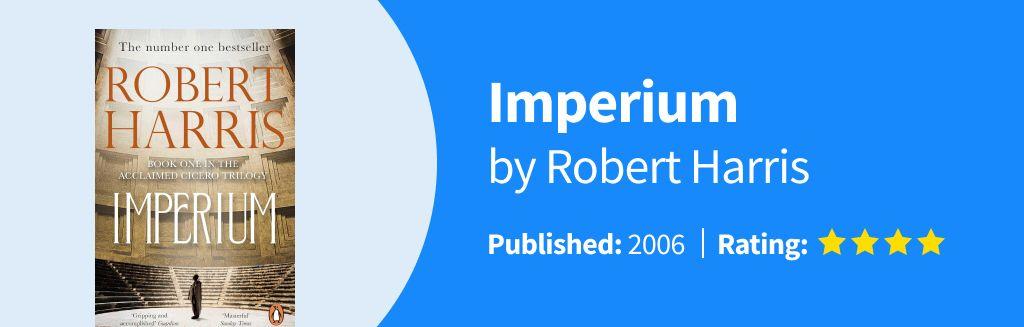
What it's about: The story of Cicero’s dramatic rise to power, told through the eyes of his loyal secretary and slave, Tiro. From backroom deals to courtroom showdowns, Imperium follows Cicero as he navigates the ruthless political landscape of the late Roman Republic, fighting for justice in a city fuelled by ambition and corruption.
Why we love it: I’ll be honest, I picked this up expecting a bit of a slow burn. I mean, how exciting can legal cases from 2,000 years ago really be? Turns out: very. Robert Harris writes Cicero like a political rock star - brilliant, flawed, and utterly magnetic. The fact that the whole story is narrated by Tiro, a historical figure who really did invent shorthand, gives it a clever and intimate lens.
Several of us at WeBuyBooks have read this, and we all came away saying the same thing: it feels shockingly modern. The speeches, the smear campaigns, the power-grabbing, it could just as easily be set in Westminster as in the Roman Forum. The writing is sharp, smart, and accessible (especially if you’re dipping your toes into Roman historical fiction for the first time).
Plus, it's the first book in a trilogy, so once you're hooked on Cicero’s story, you’ve got two more waiting. If you like your Roman fiction books with a hefty dose of real-world relevance, this is a standout pick.
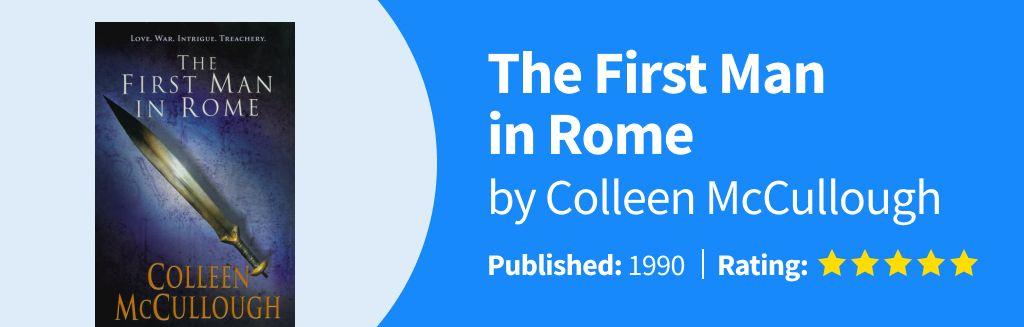
What it's about: Set at the tail end of the Roman Republic, this epic follows Gaius Marius, a self-made military man with big ambitions, and Lucius Cornelius Sulla, a patrician with a dangerous edge. Together (and often at odds), they navigate the shifting power dynamics of a Rome teetering on the brink of revolution.
Why we love it: This is one of those books that completely consumes you. McCullough doesn't just recreate Rome - she rebuilds it, street by street, Senate speech by Senate speech. You can feel the grime, hear the shouting in the Forum, and taste the ambition in the air.
The scale is huge (and yes, the book is hefty), but it never drags. The characters are larger-than-life, the politics deliciously messy, and the historical detail is next-level. It’s one of the most immersive Roman history novels our team has ever read and worth every single page.
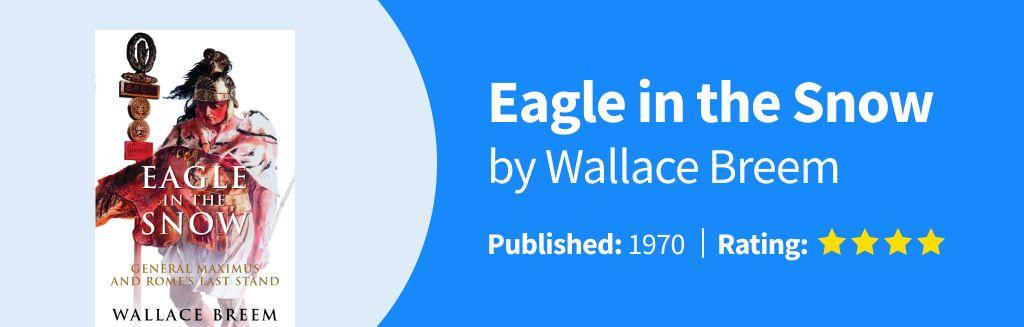
What it's about: Set during the final days of the Western Roman Empire, this novel follows General Maximus, who’s been tasked with defending the Rhine frontier against invading barbarian tribes. It’s a haunting portrait of one man standing against the collapse of everything he’s sworn to protect.
Why we love it: This one quietly devastated us. It's not flashy or fast-paced, but it’s powerful. The tone is sombre, the pacing deliberate, and the emotional weight hits you like a legion's worth of bricks. Maximus is a man of principle in a world that’s falling apart, and watching him fight a losing battle with grace and grit is oddly uplifting.
Everyone at WeBuyBooks who's read it agrees: this is one of those books that sneaks up on you and stays with you. It’s a favourite among fans of understated historical fiction, and we’ve seen it pop up time and again on “hidden gem” lists. If you want a novel that feels like the quiet before the fall, stoic, sad, and stirring, this is it.
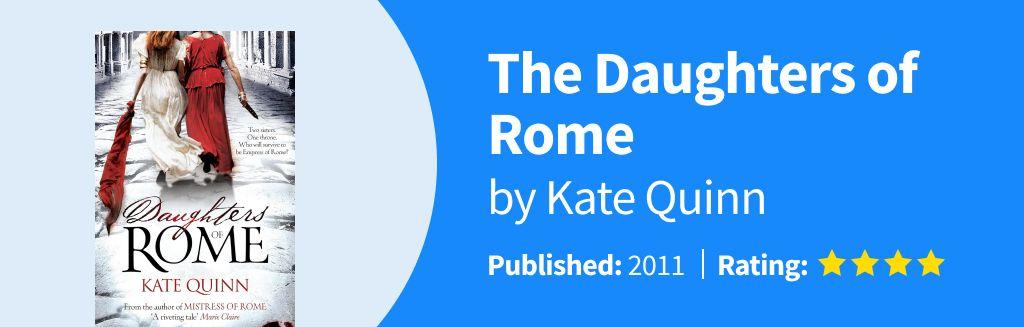
What it’s about: Four fiercely different women - an imperial ward, a senator’s wife, a Christian slave, and a career-driven soprano - navigate love, ambition, and survival during the chaos of the Year of the Four Emperors (AD 69).
Why we love it: This book sparked some serious Water Cooler buzz at WeBuyBooks. It’s like high-stakes soap opera with swords and togas. The characters are vivid, the stakes are potent, and the fast pacing makes it a true page-turner. Reviewers online praise its “addictive” drama and strong female storytelling - stories about women whose lives are rarely the focus in Roman fiction. It’s one of those Roman fiction books that feels fresh and compelling, that you won’t be able to stop reading it till the end.
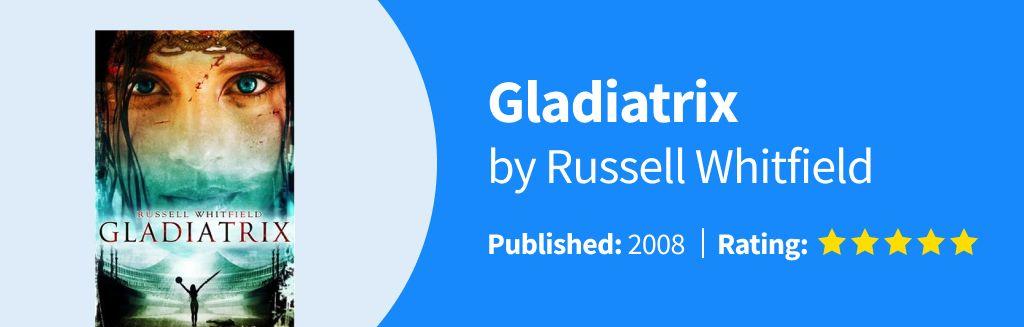
What it’s about: Lysandra, a Spartan priestess, is captured and enslaved by the Romans, then forced into the brutal world of the gladiatorial arena. As she trains to fight and survive, she battles not just opponents, but her own sense of identity and loyalty.
Why we love it: This one’s an absolute adrenaline rush. It flips the typical Roman gladiator story on its head by centring on a fierce female fighter, and we’re here for it. The fight scenes are brutal and brilliantly written, and the emotional undercurrent hits just as hard.
There’s something deeply satisfying about seeing a woman navigate and push back against the ultra-masculine world of ancient combat, and not just survive, but dominate. If you love historical fiction with guts, grit, and a side of feminist fire, Gladiatrix deserves a place on your list.
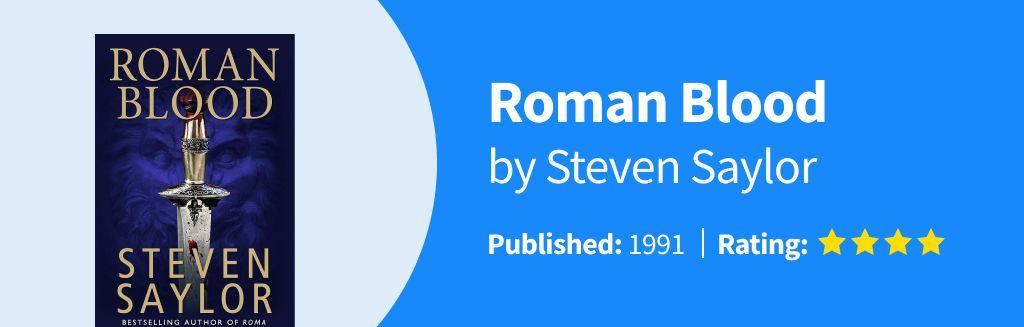
What it’s about: Set in the year 80 BC, this historical mystery introduces Gordianus the Finder, a private investigator hired by a young Cicero to dig into a murder case involving a powerful Roman citizen accused of killing his father. It’s the first in the long-running Roma Sub Rosa series.
Why we love it: This is where Roman history meets classic detective fiction, and it totally works. Gordianus is clever, cynical, and easy to root for, and Saylor does a fantastic job painting the streets of Rome in all their grimy, dangerous glory. The backdrop is historically rich, but the plot moves like a gripping whodunnit.
A few of us at WeBuyBooks love a good murder mystery, and this one scratched that itch in a totally unexpected setting. The fact that Cicero is woven into the case is a bonus for history lovers, but you don’t need to be an expert on the Republic to enjoy it. If you're after Roman fiction books that blend intrigue with authenticity, this is a great one to start with, and the beginning of a very bingeable series.
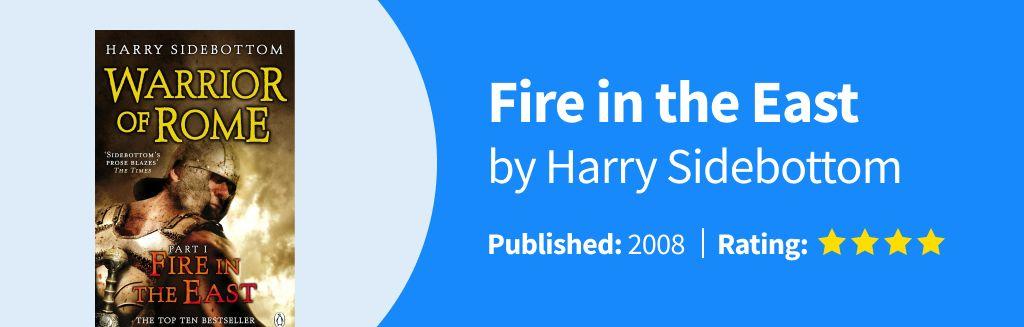
What it’s about: Ballista, a battle-hardened Roman military commander of barbarian origin, is sent to defend a city on the eastern frontier of the Empire from a brutal siege by the Persian Sassanid army. It's the first book in the Warrior of Rome series.
Why we love it: This book delivers action with a capital A. It’s gritty, tense, and packed with the kind of high-stakes military strategy that makes you feel like you're right there in the thick of battle. The siege scenes are some of the most intense we've come across in any Roman novel.
One of us in the WeBuyBooks office called this one “ancient warfare with blockbuster energy.” But what really elevates it is Ballista himself - an outsider navigating both battlefield politics and personal doubts. It’s a brilliant look at what it meant to be Roman on the fringes of the Empire. If you want your Roman history novels with a dose of blood, fire, and tactical brilliance, this one’s a winner.
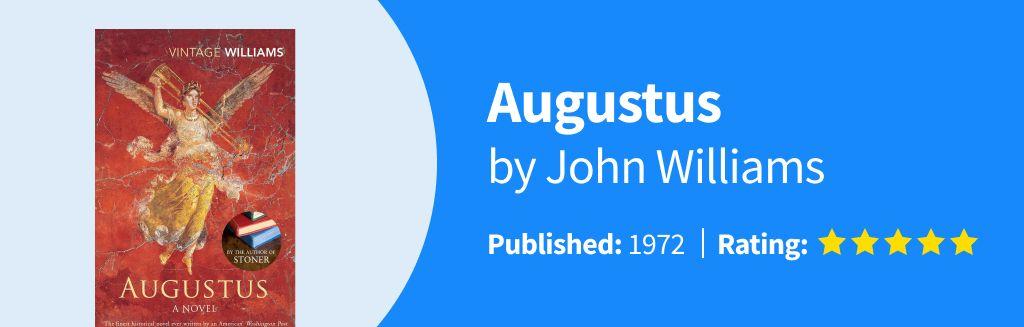
What it’s about: Told entirely through fictional letters, journal entries, and official documents, this novel pieces together the life of Octavian, later known as Augustus, as he rises from a teenage heir of Julius Caesar to the founder of the Roman Empire.
Why we love it: This one took me by surprise. I expected something formal and a bit dry (it’s written in documents, after all), but instead I found a deeply human, layered portrait of one of history’s most iconic rulers. The shifting perspectives, from friends, enemies, family, and Augustus himself, create a mosaic of insight that’s both intimate and epic.
It’s a big hit among the more literary-minded readers here at WeBuyBooks. Williams doesn’t just show the birth of the Empire; he explores the personal cost of leadership, isolation, and legacy. If you're looking for Roman fiction books that go beyond the sword fights to show the soul beneath the laurel wreath, Augustus is an absolute standout.
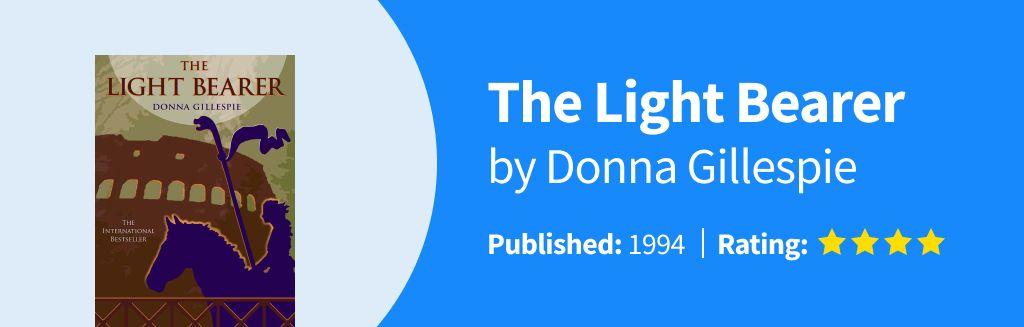
What it’s about: A sweeping epic that follows Auriane, the daughter of a Germanic chieftain, who is captured by the Romans and eventually forced to fight as a gladiator. Her journey weaves through tribal uprisings, Roman politics, and the brutal spectacle of the arena.
Why we love it: This novel blends historical accuracy with mythic intensity. Auriane is a fierce, complex protagonist, and her transformation from noble daughter to enslaved fighter to legend is both emotional and empowering. The writing is rich and lyrical, with vivid settings and philosophical undertones that elevate the story beyond a typical action plot.
At over 800 pages, it’s a commitment, but one that pays off. Ideal for readers who enjoy detailed world-building and character-driven storytelling in their Roman historical fiction.
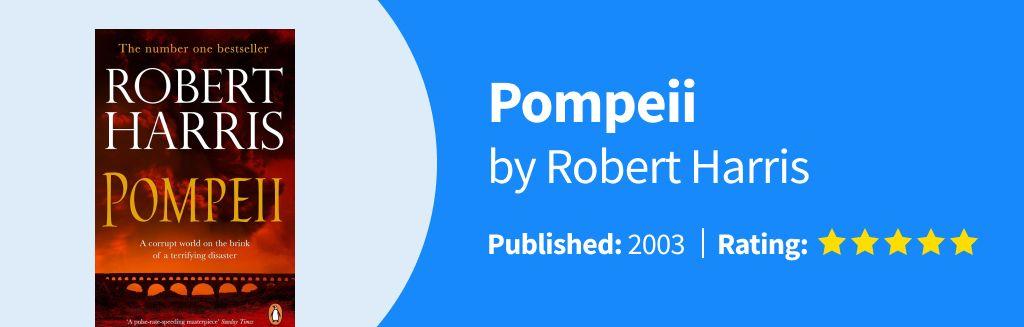
What it’s about: Set in the days leading up to the eruption of Mount Vesuvius, the story follows an aqueduct engineer named Attilius as he investigates mysterious water failures, only to uncover signs of an impending catastrophe. All of it builds toward the eruption we know is coming.
Why we love it: This is one of those rare books where you know exactly how it ends, but you're still completely gripped the whole way through. Harris takes something as seemingly mundane as Roman plumbing and turns it into a tense, page-turning thriller. The pacing is razor-sharp, and the sense of looming doom is brilliantly executed.
The characters are believable, the science is fascinating, and the historical detail is immersive without being overwhelming. If you enjoy historical fiction with a strong sense of time, place, and rising tension, Pompeii absolutely delivers, and then some.
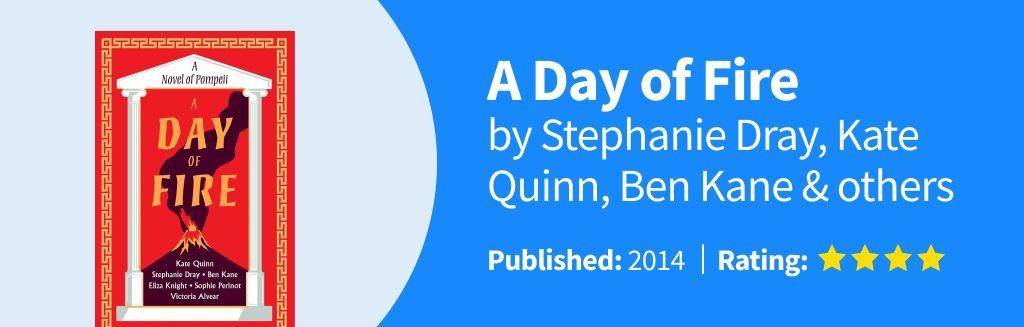
What it’s about: A unique collaborative novel made up of six interconnected short stories, each told from a different character’s perspective in the final hours before Pompeii is buried by the eruption of Mount Vesuvius.
Why we love it: The concept alone makes this one stand out. Each story focuses on a different individual - from slaves to senators - offering a panoramic view of life in Pompeii on its final day. What’s particularly powerful is how the stories weave together, creating emotional echoes and shared moments that build a surprisingly cohesive whole.
Despite knowing the inevitable end, there’s a real sense of urgency and intimacy throughout. The format makes it easy to dip into, but the combined impact hits hard. If you’re drawn to character-driven fiction and enjoy historical stories told from varied viewpoints, A Day of Fire is a compelling and creative read.
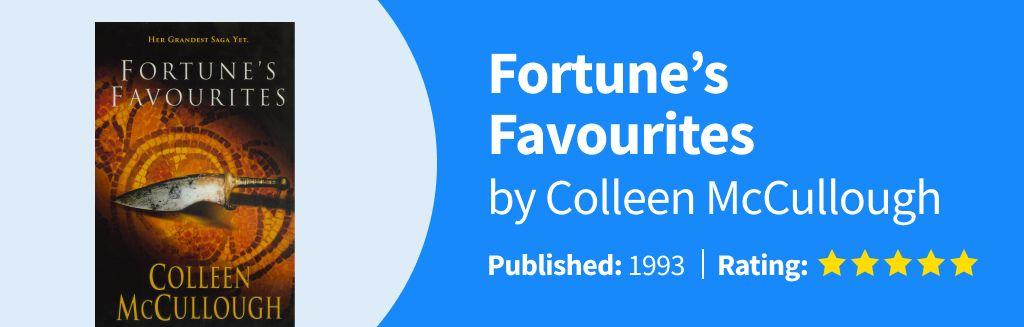
What it’s about: Continuing McCullough’s Masters of Rome series, this instalment follows the ruthless dictatorship of Sulla, the early rise of Julius Caesar, and the behind-the-scenes scheming of Rome’s most ambitious players.
Why we love it: There’s something deeply satisfying about sinking into McCullough’s Rome. It’s vast, complex, and unflinchingly realistic. Fortune’s Favourites brings to life not only monumental events but also the clever, conniving, and often brilliant people behind them.
One of the most compelling parts of this book is watching young Caesar begin to emerge - not yet the legend, but already sharp, calculating, and determined to survive. The detail is dense, but it never drags; McCullough balances Senate debates with personal drama so well that I found myself constantly flipping between rooting for characters and fearing what they'd do next. If you liked The First Man in Rome, you’ll absolutely want to keep going.
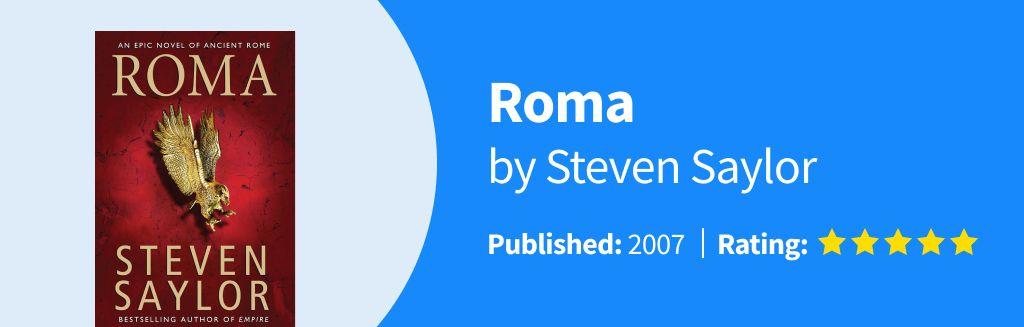
What it’s about: A sweeping historical saga that traces the rise of Rome through the lives of one family, the Potitii, over a span of a thousand years, from the city’s mythical founding to the early days of the Empire.
Why we love it: This book feels like time travel. You don’t just read about major events like the sack of Rome or Caesar crossing the Rubicon - you live them through the eyes of ordinary people trying to survive, thrive, and pass something on to the next generation.
What makes Roma so memorable is how Saylor blends the personal with the political. Each generation in the family inherits a talisman (a charm depicting the twins Romulus and Remus), linking the stories together as history unfolds. The result is a novel that’s both epic in scope and emotionally grounded. If you love big, multigenerational storytelling and want to see how the city evolved from muddy village to imperial powerhouse, this one’s for you.
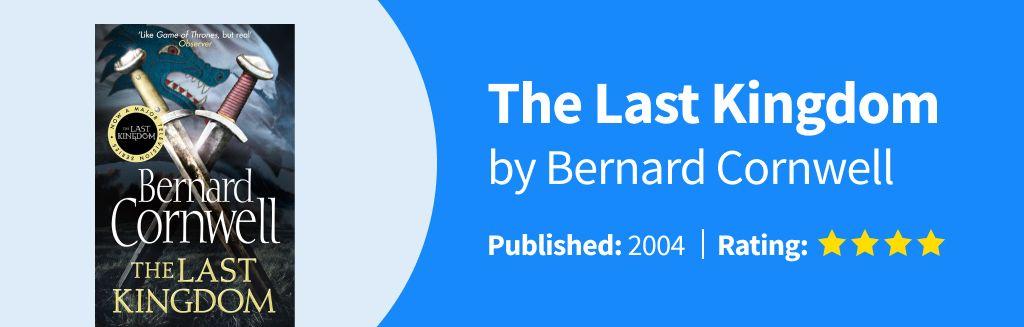
What it’s about: Set in 9th-century England during the Viking invasions, this novel follows Uhtred of Bebbanburg, a Saxon boy raised by Danes, as he’s pulled between two worlds and two identities - while the ghost of Rome still lingers in the land.
Why we love it: Okay, it’s not technically set in the Roman Empire - but Rome’s shadow is everywhere in this book. From the crumbling remains of Roman roads to the memory of old legions, you feel the weight of what was lost and how it shaped what came after.
Cornwell is a master of gritty, immersive battle scenes, and The Last Kingdom is packed with them. But what really makes it shine is Uhtred, bold, reckless, loyal, and often his own worst enemy. If you like your historical fiction full of sword clashes, moral grey areas, and characters who feel achingly real, this is a gripping start to a much-loved series.
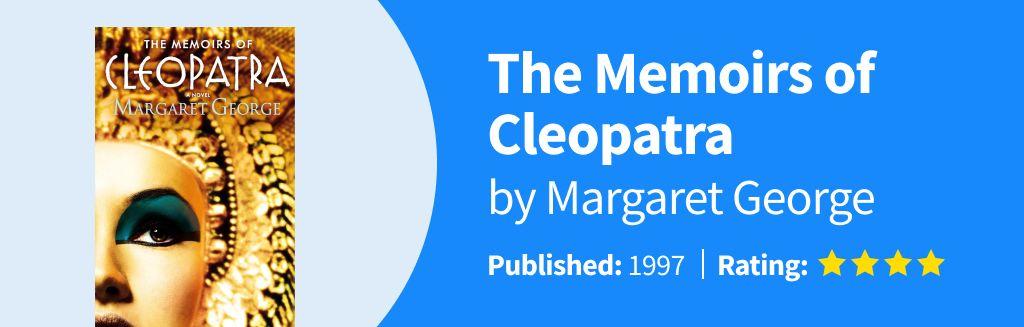
What it’s about: A richly detailed fictional autobiography of Cleopatra VII, this novel spans her life from childhood to her reign, her legendary romances with Julius Caesar and Mark Antony, and her ultimate downfall.
Why we love it: This book is epic in every sense - length, scope, and emotional depth. Cleopatra has been portrayed in so many ways across history, but here, she finally gets to tell her own story. George writes her with nuance and complexity: a strategist, a ruler, a mother, and yes, a woman navigating love in a very political world.
The Roman Empire looms large in the background, and the way Cleopatra handles (and manipulates) its most powerful men adds an extra layer of tension and fascination. It’s a slow burn at times, but the payoff is huge. If you enjoy big, character-driven historical fiction that lets you really live inside a famous figure’s mind, this is a standout.
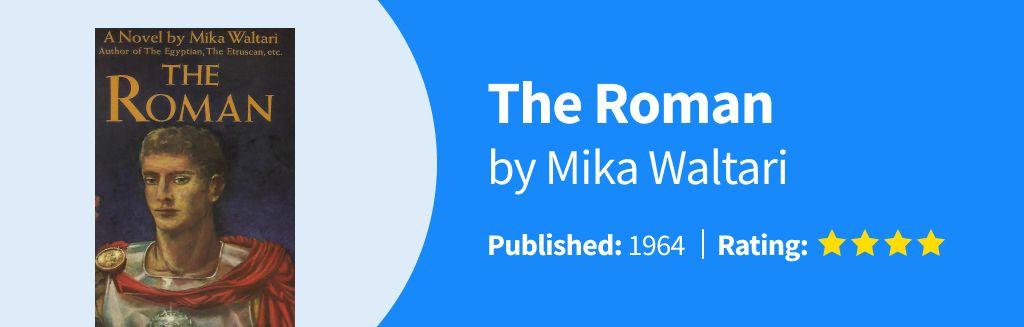
What it’s about: A philosophical and deeply introspective novel following Minutus, a Roman nobleman and historian, as he reflects on his life and times under the rule of Emperors Claudius and Nero, an era marked by moral decay, political danger, and personal loss.
Why we love it: This one feels different from the others on the list. It’s less about action and more about the internal journey of a man caught between the ideals of classical Rome and the harsh reality of what the Empire has become. Waltari’s prose is elegant and meditative, with a sense of melancholy that builds over time.
If you like your historical fiction laced with existential themes and you’re in the mood for something slower, deeper, and more contemplative, The Roman really delivers. It asks big questions about power, responsibility, and the fragility of truth - questions that still feel strikingly relevant today.
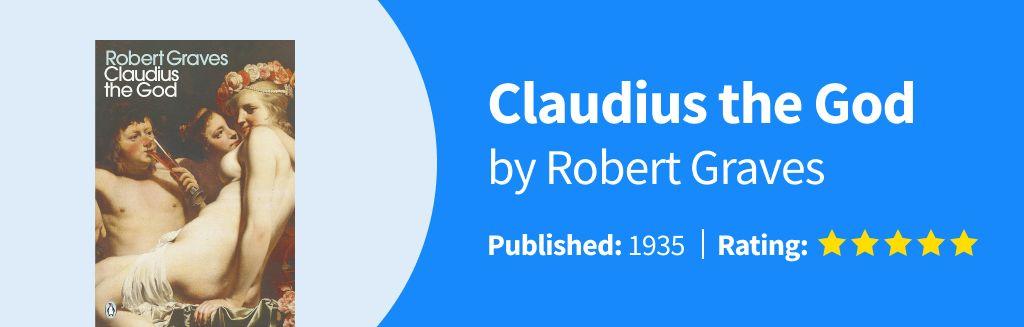
What it’s about: This sequel to I, Claudius continues the emperor’s fictional memoirs, chronicling his surprising rise to power and his often-overlooked reign. From imperial reforms to personal heartbreak, Claudius reflects on what it means to lead in a world built on treachery.
Why we love it: If I, Claudius is the behind-the-scenes gossip of the imperial family, Claudius the God is the “now what?” phase - equally sharp, just as compelling. Watching Claudius actually rule, trying to do the right thing in a system designed to crush idealists, makes this sequel feel even more human and heartbreaking.
The same dry wit and dark humour carry over from the first book, but here there's an added weight to everything. You already know how it ends (spoiler: not well), but that just makes the journey more poignant. Together, the two novels form one of the most unforgettable and oddly endearing portraits of power in all of historical fiction.
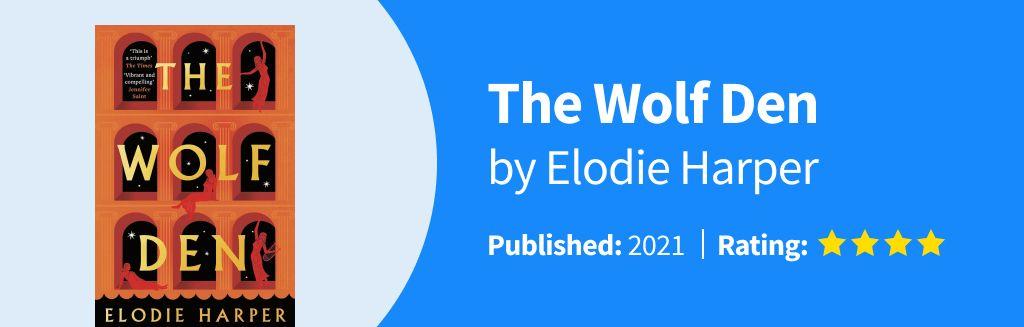
What it’s about: Set in Pompeii’s notorious lupanar (brothel), this novel follows Amara, a once-free Greek woman now enslaved and forced to work as a prostitute. Determined to reclaim her future, she navigates survival, friendship, and ambition in a society that values her body more than her mind.
Why we love it: The Wolf Den shines a light on a side of Roman life rarely explored in fiction. It’s raw, moving, and refreshingly feminist without ever feeling preachy. Amara is a resilient, clever, and complex heroine whose voice sticks with you. The historical detail is immersive, but the heart of the story lies in its women - their bonds, their strength, and their refusal to be defined by their circumstances. This is one we’ve been talking about nonstop in the office lately. We’ve seen a huge surge in readers looking for Roman fiction told from a different perspective, and this one delivers. Beautifully written and fiercely empowering.
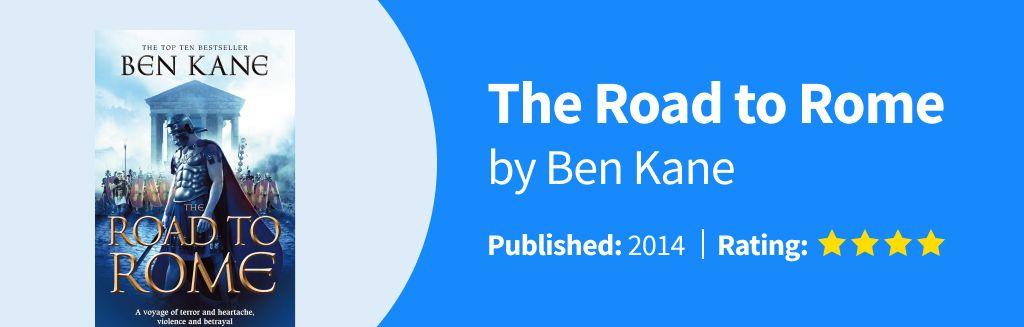
What it’s about: The third book in the Forgotten Legion trilogy, this novel follows Romulus, Brennus, and Tarquinius as they fight their way back to Rome after years of hardship and exile across the empire. Their journey is filled with danger, sacrifice, and the constant hope of justice and redemption.
Why we love it: This is a historical adventure at full tilt. The pacing is relentless, the emotional stakes are high, and the characters - especially Romulus - feel like old friends by this point in the series. Ben Kane has a real knack for bringing ancient warfare and Roman grit to life. If you like your Roman fiction books with action, heart, and a dash of revenge, The Road to Rome makes a perfect finale to the list.
Ancient Rome never gets old (pun intended). These novels aren’t just stories; they’re time machines propelled by the chariot wheels of ambition, love, and war. Whether you crave political chess matches or arena roar, we hope these Roman history novels send you on unforgettable campaigns. Felices lectiones - happy reading!
If all this talk of ancient emperors and epic reads has inspired you to clear some space on your shelves, why not sell your used books with WeBuyBooks? Whether it’s historical fiction, non-fiction, or something completely different, turning your old reads into extra cash is easy. Just scan, pack, and post - we’ll handle the rest. It's quick, convenient, and gives your pre-loved books a new lease of life.
Would you like to continue the conversation? Share this post!





 How It Works
 How It Works
 Get 10% Extra