Last year, our customers made an average of £24.94*selling their books to us.
Sell My Books
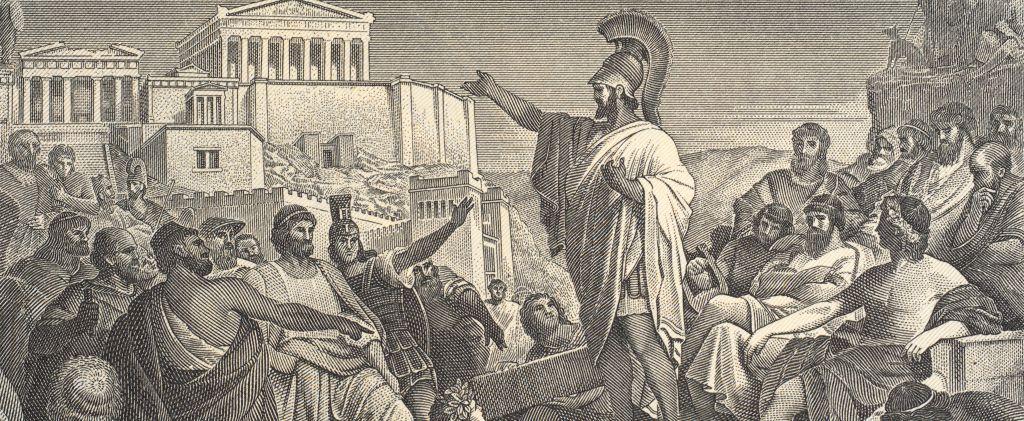
Here at WeBuyBooks, we’ve got a bit of a tradition: each month, our team picks a theme and dives into as many books as we can around that topic. Then we sit down (with plenty of tea and probably too many biscuits) to chat through what we loved, what surprised us, and what we’d recommend to fellow readers.
This month’s theme? Ancient Greece.
From the origins of democracy to epic mythological tales, there’s something endlessly fascinating about the ancient Greeks. And while plenty of people love the fictional retellings (and don’t worry, we’ve got a blog coming for those too), we wanted to start with the best non-fiction books—the ones that dig into the real people, politics, philosophies, and gods behind the legends.
So whether you're a history buff, a mythology nerd, or just starting to explore the ancient world, here are 20 books that stood out in our reading pile. Some are scholarly, some are surprisingly funny, and a few even made us rethink everything we thought we knew about Greek civilisation.
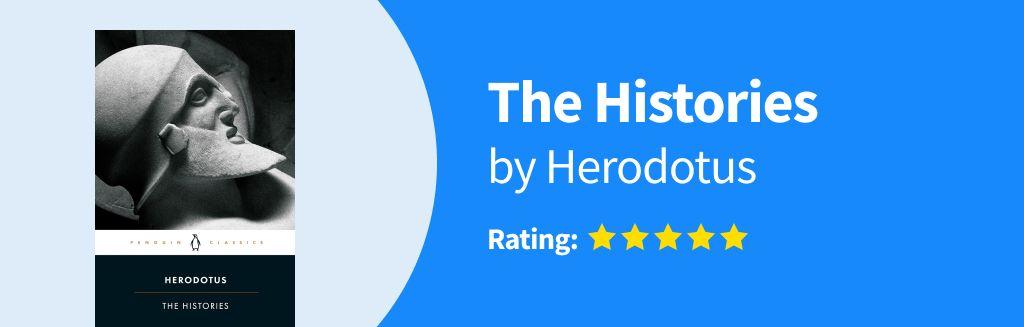
What it’s about: Often called the “Father of History,” Herodotus wrote this sweeping account of the Greco-Persian Wars in the 5th century BC. But it’s more than just military history; it’s packed with fascinating side stories about different cultures, strange customs, politics, gods, and legends.
Why we love it: Reading Herodotus feels like listening to an ancient traveller gossip about everything from Egyptian mummies to Greek rivalries. It’s part history, part travelogue, part gossip column, and that’s exactly why we loved it. Yes, some bits are more storytelling than fact (he was definitely into a good tale), but that makes it a lot more fun to read than you'd expect from something written 2,500 years ago. It’s one of those books that helps you feel how the ancient Greeks saw the world. We found it surprisingly entertaining for such an old text, and it’s a brilliant foundation for understanding the mindset of the classical world.
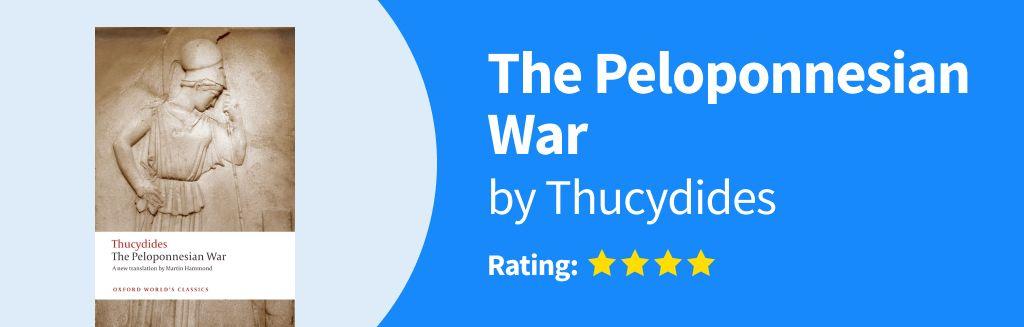
What it’s about: A contemporary of Herodotus, Thucydides takes a more sober, analytical approach in this account of the long and brutal conflict between Athens and Sparta. Thucydides was an Athenian general, so he had a front-row seat, and he didn’t hold back. This isn’t myth, it’s hard-nosed, political history, filled with speeches, strategy, and the messy decline of Greek democracy.
Why we love it: This felt like the serious, analytical sibling to Herodotus. No myths here, just hard-nosed history. A few of us found the detail intense, but also fascinating. It’s dense in places, but also gripping - especially if you’re into military history or ancient realpolitik. It’s the kind of book that makes you realise how little human nature has changed, leading to someone in the office commenting: “Ah, so politics has always been complicated!” War, propaganda, alliances breaking down… very familiar stuff.
We’d recommend it for readers who want to understand how power shifted in Ancient Greece, and how war shaped everything from philosophy to citizenship.
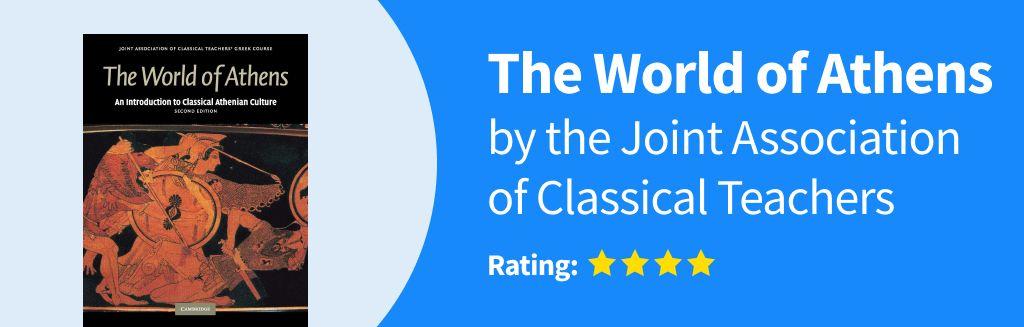
What it’s about: This book is basically a crash course in what life was like in 5th-century BC Athens - covering everything from how the democracy worked to religion, theatre, law, and daily life. Designed originally for students studying ancient Greek, it’s clear, informative, and packed with primary source quotes.
Why we love it: We loved how this book made ancient Athens feel… alive. It’s structured in a way that makes even tricky topics (like Athenian democracy or slavery) digestible and engaging. It sparked some of the best lunchtime debates in the office, and it's perfect if you want a broad overview without getting buried in footnotes.
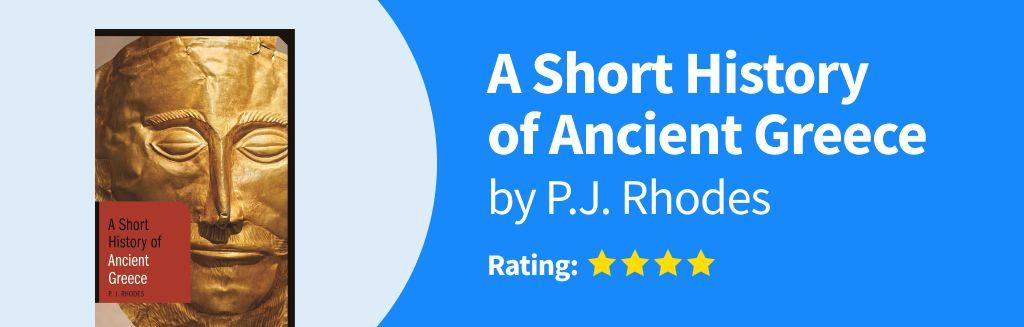
What it’s about: This is exactly what it says on the tin: a concise, readable survey of Greek history from the Bronze Age through to the Roman conquest. Rhodes covers the key developments in politics, culture, warfare, and social structure, with clarity and balance.
Why we love it: We kept coming back to this one as our “anchor book”. It gave us the bigger picture we needed when diving into more specific texts. Not too heavy, not too light. It’s ideal if you're new to Greek history or need a refresher. It’s also a great option if you want the facts without the fuss.
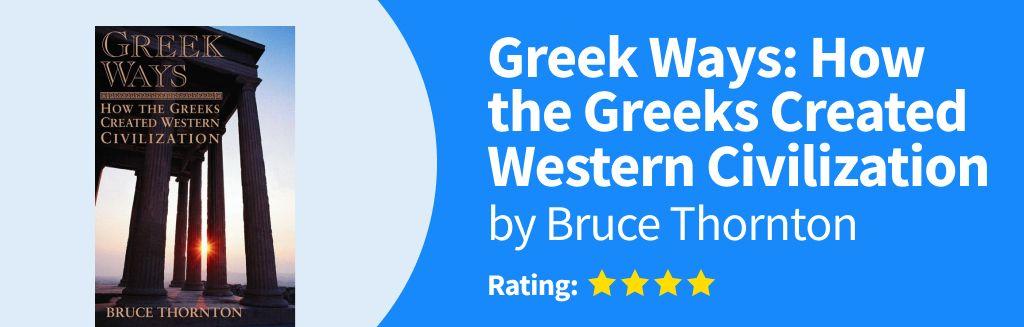
What it’s about: This one looks at what made Greek culture so different, especially compared to other ancient civilisations like Egypt or Persia. Thornton explores how ancient Greek values, particularly around freedom, individuality, and civic life, laid the foundations for modern Western thought.
Why we love it: This book sparked a lot of conversation in our team about what we take for granted in modern life. It’s punchy, opinionated, and sometimes challenges the “romanticised” view of Greek culture. If you’re into the why it matters today angle, this is a great pick.
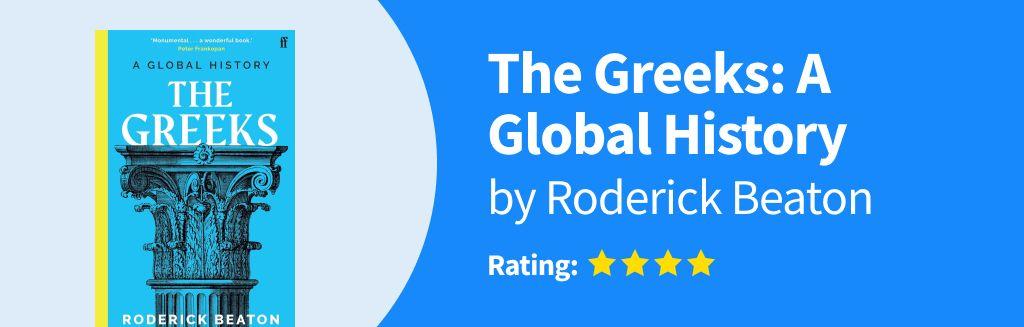
What it’s about: Rather than focusing solely on Ancient Greece, this book explores the full arc of Greek identity, from the Bronze Age through Byzantium and into modern Greece. For ancient history fans, it offers rich insights into how Greek culture evolved and influenced the wider world.
Why we love it: We appreciated the longer lens this book takes. It’s not just “Athens and Sparta” but a look at how Greek thought, language, and politics reverberated through Europe and beyond. It made us realise how much Greek culture has changed and endured over thousands of years. If you’ve ever wondered what happened to the Greeks after the golden age, this is a great read.
What it’s about: Written to accompany the PBS documentary of the same name, this book provides an engaging, visual account of Ancient Greek history, focusing on the rise of democracy, the Persian and Peloponnesian Wars, and the cultural explosion of the 5th century BC.
Why we love it: It’s one of the more accessible books we read—great if you're a visual learner or just want something that feels fast-paced without losing depth. The team found it perfect for dipping in and out, and it worked well alongside watching the documentary (which we absolutely recommend pairing it with!).
This one feels really approachable, kind of like reading a very good documentary script. It’s great if you're a visual learner or just want something that feels fast-paced without losing depth - if you’ve ever felt intimidated by Greek history, this is a great way in. It’s engaging, visual, and doesn’t get bogged down in jargon. Plus, if you like reading alongside a documentary, the series is well worth watching too.
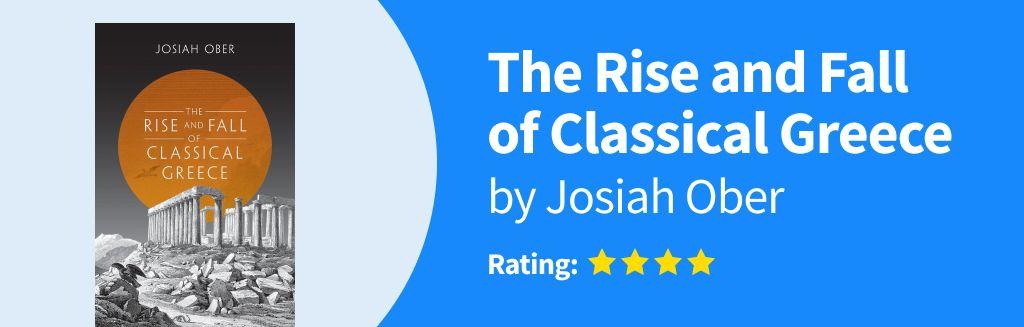
What it’s about: This one’s more academic, but we found it fascinating. Ober blends political science and economics with classical history to examine how the Greek city-states, especially Athens, grew, thrived, and eventually declined. He argues that ancient Greece was the world’s first “modern economy,” and explores how decentralised innovation drove its success.
Why we love it: It made us think differently about the ancient world—not just as a cultural origin point, but as a complex, data-driven society. If you enjoy books that challenge assumptions or connect ancient systems to modern thinking, this will really hook you.
Fun fact: It uses actual economic modelling to understand ancient Athens—yes, spreadsheets meet Sparta.
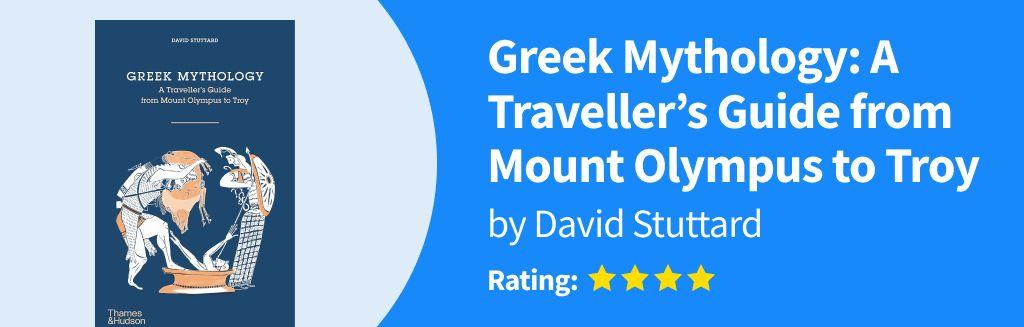
What it’s about: This beautifully illustrated guidebook blends history, archaeology, and myth, taking readers on a literal journey through the key sites of Greek mythology - Delphi, Thebes, Crete, and more - while also unpacking the real-life historical context behind the legends.
Part mythology guide, part travel book, this takes you through the key mythological locations in Greece, from Athens to Crete, and explores the stories that made them famous.
Why we love it: We couldn’t stop flicking through this one. It’s part mythology reference, part travel book, and totally gorgeous to look at. Even if you’re not planning a trip to Greece (although we’re tempted), it’s a brilliant way to connect myth with physical places. It makes the gods and heroes feel surprisingly real.
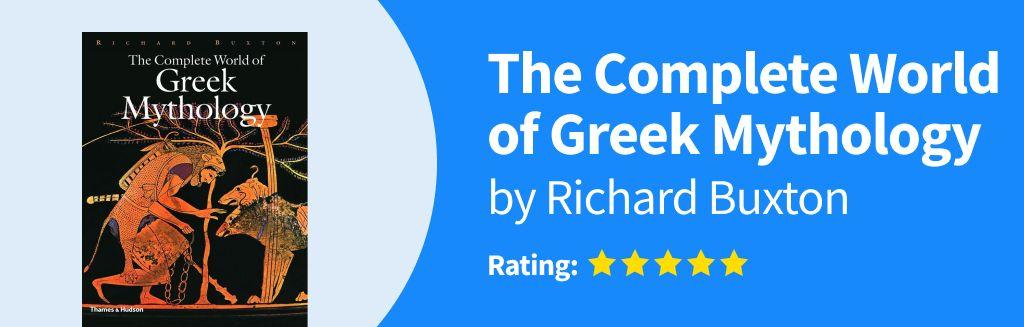
What it’s about: A highly visual and deeply informative exploration of the entire mythological universe of the ancient Greeks, from creation myths to the Olympian gods, legendary heroes, and underworld journeys. It also looks at how mythology evolved over time and influenced art and literature.
Why we love it: This is hands-down one of the most beautifully produced books on Greek mythology out there. Several of us kept it open on our desks while reading other texts - it’s that useful. Whether you’re a mythology buff or a total beginner, this is one of those reference-style books you’ll want to keep coming back to.
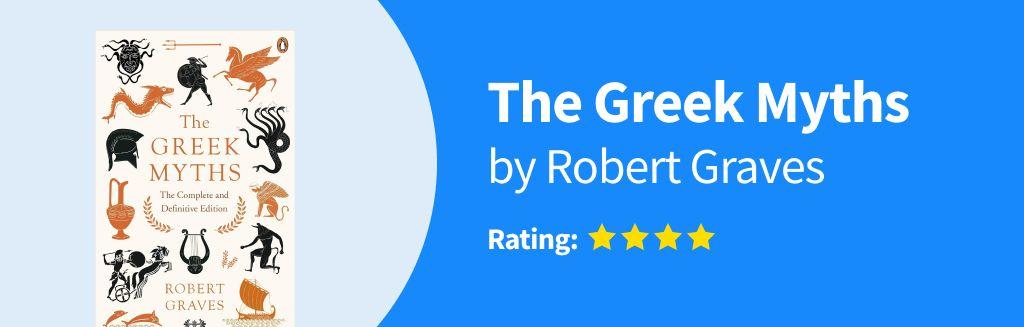
What it’s about: This classic collection retells hundreds of ancient Greek myths, from the birth of the gods to the fall of Troy. But it’s not just storytelling; Graves includes detailed commentary on each myth’s origins, symbolism, and historical context.
Why we love it: This one goes deep. It’s more academic than, say, Stephen Fry’s Mythos, but for those of us who love connecting myths to history and anthropology, it’s a goldmine. Some of Graves’ interpretations are a bit out there (he wasn’t shy with his theories), but that’s part of the fun. Great for readers who want more than just the story and don’t mind a bit of scholarly speculation along the way.
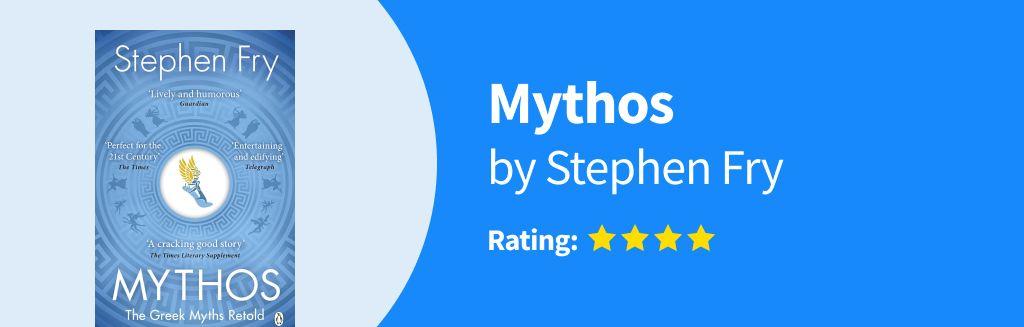
What it’s about: Stephen Fry retells the Greek myths in his signature witty, engaging style. Mythos focuses on the creation myths and the stories of the gods - from Chaos and Gaia to Zeus, Athena, and beyond.
Why we love it: This was one of the most readable books we picked up all month. Fry brings so much humour and warmth to the myths that even the darkest moments feel accessible. While it’s not academic, it’s well-researched and surprisingly informative. If you’re new to Greek mythology or just want a fun refresher, this is a great place to start.
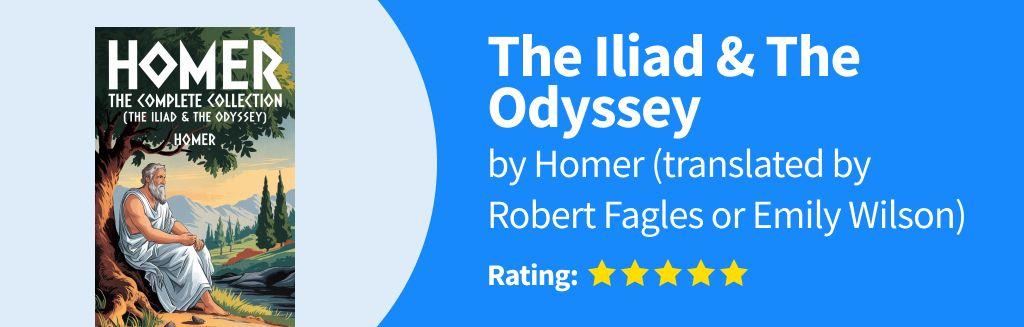
What they’re about: The Iliad is the dramatic story of the Trojan War - filled with warriors, gods, and fate. The Odyssey picks up after, following Odysseus’ epic 10-year journey home. Both are cornerstones of Greek literature and culture.
Why we love them: These are essential reads if you want to understand Ancient Greece - not just as literature, but as cultural touchstones. We particularly loved Emily Wilson’s translation of The Odyssey; it’s fresh, modern, and incredibly readable. Don’t be intimidated by their “classic” status; once you get into the rhythm, they’re full of tension, character, and drama. Definitely worth reading with the historical introductions included in most modern editions.
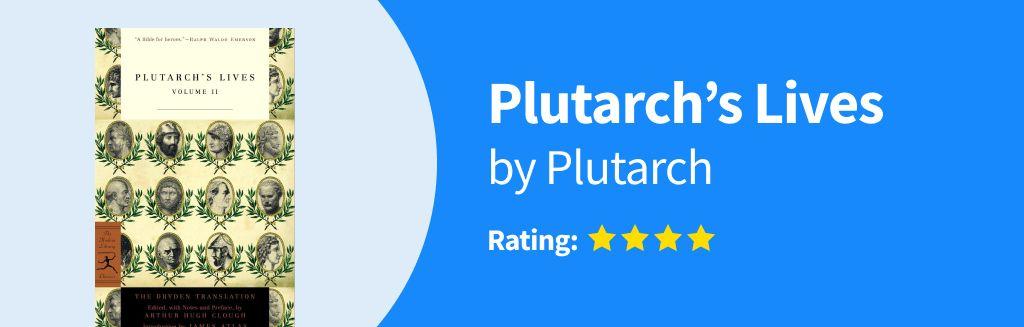
What it’s about: Plutarch was a Greek biographer writing during the Roman Empire, and Lives is his series of paired biographies comparing Greek and Roman leaders - like Alexander the Great and Julius Caesar, or Lycurgus and Numa.
Why we love it: It’s less about dry facts and more about character - who these people were, what drove them, and how their actions shaped history. A few of us dipped in and out rather than reading cover to cover, which worked really well. If you’re into leadership, moral lessons, or how ancient figures were viewed in their own time, this is a fascinating read.
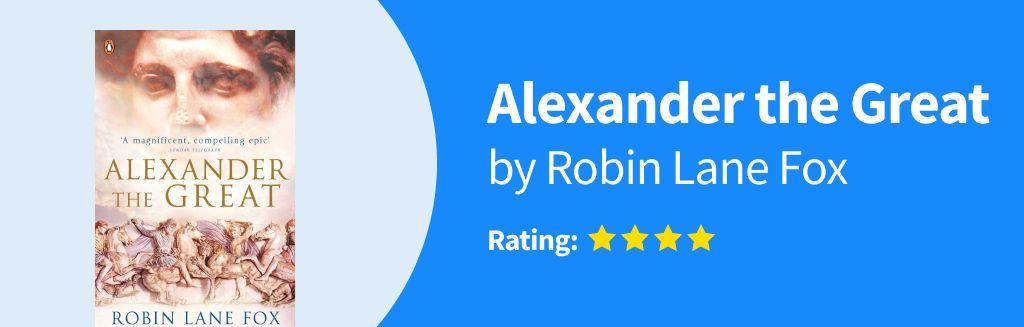
What it’s about: This is one of the most detailed and respected biographies of Alexander the Great. Lane Fox examines his military campaigns, political genius, personal life, and the myths that grew up around him - all backed by impressive scholarship.
Why we love it: Alexander’s story is packed with ambition, drama, and world-changing consequences, and this book really does it justice. It’s quite dense in places, but also vivid and full of insight. One of our team even rewatched the Alexander movie afterwards (no comment on the accents), and said the book gave it way more depth. Great for anyone fascinated by leadership, conquest, and legacy.
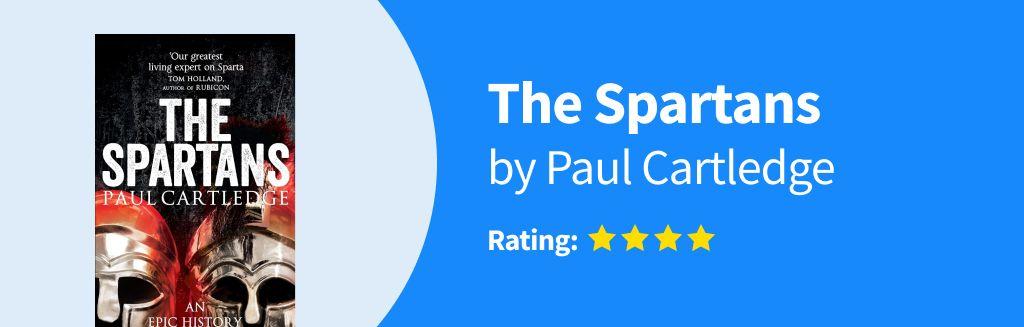
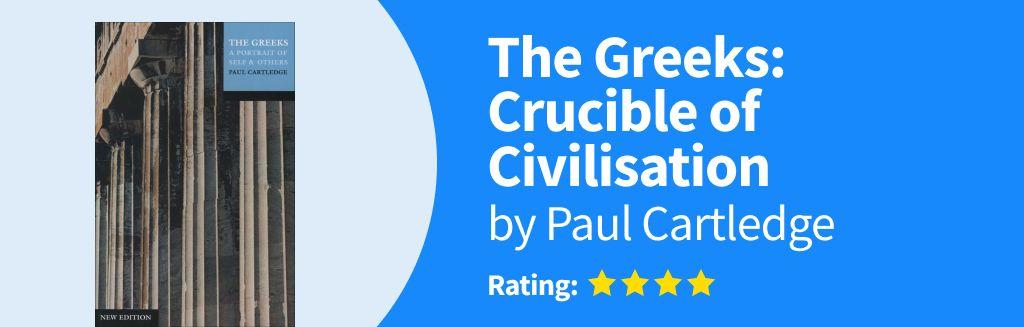
What it’s about: This book focuses entirely on Sparta - from its legendary military discipline to the harsh, communal lifestyle that set it apart from the rest of Greece. Cartledge explores what made the Spartans so unique and why they were both admired and feared.
Why we love it: Sparta is one of those places we all think we know… and then you read this and realise how alien their world really was. This isn’t just about battles and helmets; it’s also about women, education, and how the state shaped every part of life. Cartledge does a brilliant job explaining it without glorifying it. One for readers who love the intense, gritty side of history.
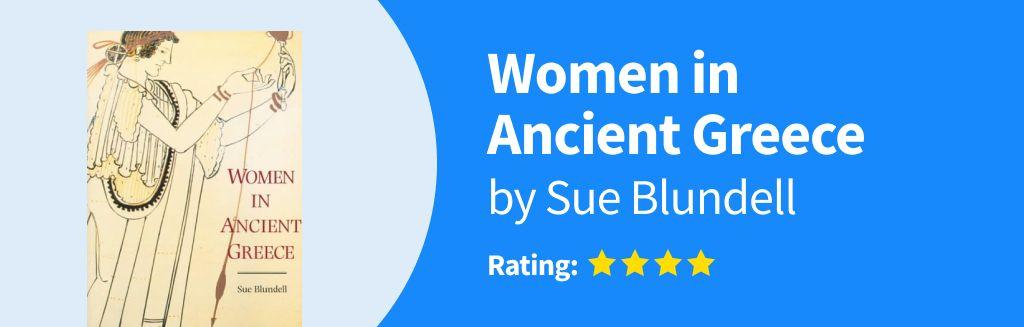
What it’s about: This book shifts the focus to the women of Ancient Greece - their roles, rights (or lack thereof), relationships, and how they were portrayed in art and literature. It also looks at the differences between places like Athens and Sparta.
Why we love it: It filled in so many blanks. Greek history is so often told through the lives of men, so this was an important and refreshing perspective. It sparked some good discussion among our team, especially around how much we don’t hear in traditional history texts. Definitely worth reading alongside more mainstream accounts to get the full picture.
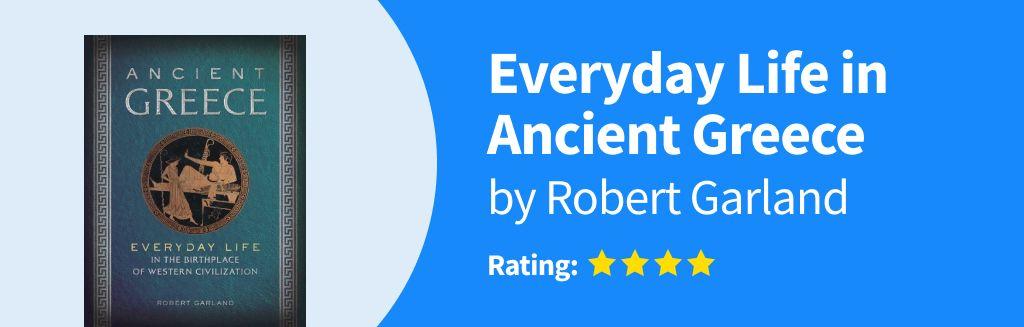
What it’s about: Rather than focusing on war or politics, this book digs into the details of daily life: what people wore, what they ate, how they worked, relaxed, and even how they dealt with illness or death. It’s an intimate look at real life, not just the famous names.
Why we love it: This one was unexpectedly addictive. It brings the ancient world down to a human scale. Suddenly, the Greeks don’t feel like distant icons - they feel like people with laundry, noisy neighbours, and dinner plans. If you’re the kind of reader who loves the behind-the-scenes stuff, you’ll love this.
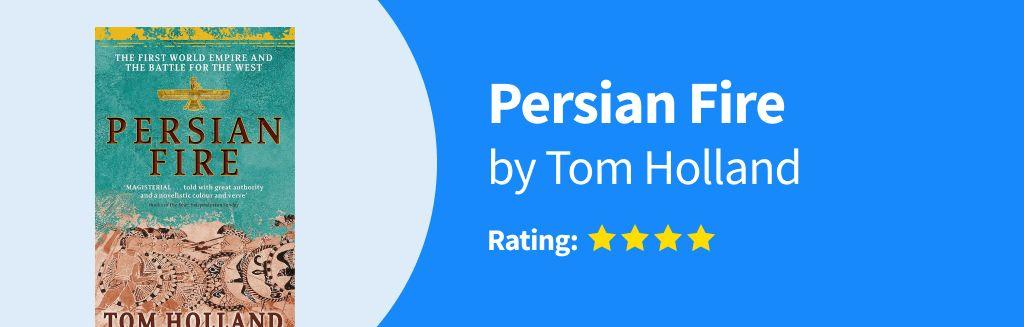
What it’s about: This is the story of the Persian Wars, the conflict that defined the early Greek world, with iconic battles like Marathon and Thermopylae. Holland tells it as a sweeping, cinematic narrative that balances both Persian and Greek perspectives.
Why we love it: Tom Holland is such a good storyteller. This reads like a thriller, even though it's based on meticulous research. It helped us understand not just the wars, but the bigger cultural clash between East and West, and why it mattered so much. A few of us couldn’t put it down.
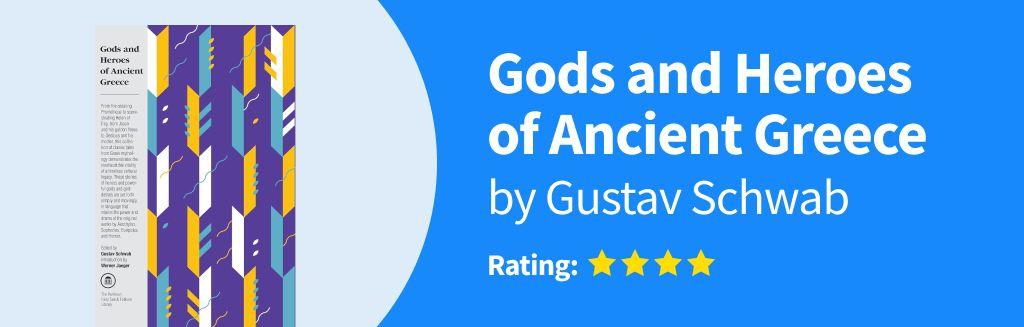
What it’s about: This is a rich retelling of classic Greek myths, from Prometheus and the Titans to the Trojan War. Schwab’s versions stick fairly close to the traditional sources, but with a clear, almost poetic storytelling style.
Why we love it: There’s something timeless about this book. It’s not flashy or modern like Mythos, but it’s beautifully written and deeply respectful of the myths. One of our team members read it growing up and revisiting it for this blog brought back all the magic. If you want a classic collection that feels a bit like reading bedtime stories for grown-ups, this is the one.
We’ll be honest, when we picked Ancient Greece as this month’s team reading theme, we knew it was going to be a big one. There’s just so much to cover: war, democracy, gods, theatre, everyday life… and even now, after ploughing through piles of books, we still feel like we’ve only scratched the surface.
That said, the 20 books above are the ones we kept coming back to - the ones we’d recommend to anyone who wants to understand what made Ancient Greece so remarkable (and still so relevant today). Whether you’re dipping your toes into Greek mythology for the first time or finally ready to tackle Herodotus and Thucydides, we hope this guide points you in the right direction.
And if your shelves are already groaning under the weight of your own history collection (we’ve been there), remember you can sell your history books to WeBuyBooks and make some space for your next obsession - whether it’s Ancient Rome, Medieval Britain, or something completely different.
Like this post? These posts may be of interest to you:
Would you like to continue the conversation? Share this post!





 How It Works
 How It Works
 Get 10% Extra