Last year, our customers made an average of £24.94*selling their books to us.
Sell My Books
After diving deep into the best non-fiction books on Ancient Greece last month — from historical heavyweights to mythology reference guides — we thought it was only right to follow up with something a little more… imaginative.
So for our next team reading challenge, we’ve swapped facts for fiction and taken a journey through retellings, epics, romances, and bold reimaginings of ancient myths. This time, we’ve been exploring the best fiction books inspired by Greek mythology and Ancient Greece — the kinds of novels that make old stories feel fresh, and ancient characters feel heartbreakingly real.
And we read a lot. Some of us revisited favourites, others discovered new voices, and a few bravely ventured into genres they’d usually avoid (turns out more than one of us is now obsessed with myth-based romance). What we’ve pulled together is a list of 20 titles that stood out — not just for their popularity, but because they made us feel something, taught us something, or sparked a seriously good team chat.
If you’re looking for books on Greek mythology fiction, novels set in Ancient Greece, or just beautifully told stories with ancient themes, this is for you.
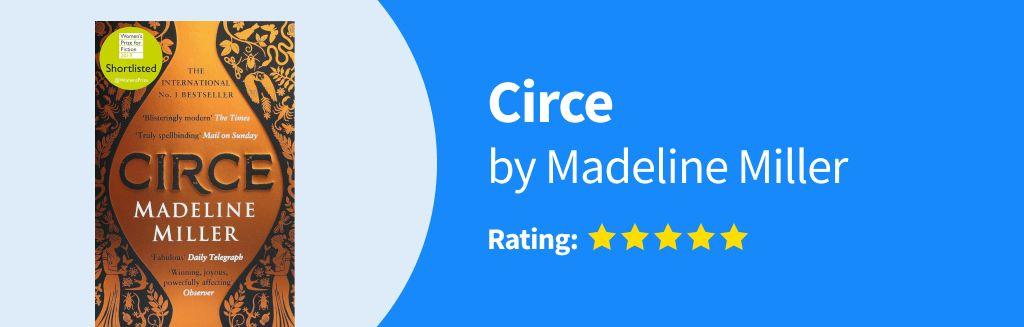
** What it’s about:** This internationally bestselling novel tells the story of Circe, the daughter of the sun god Helios, who is exiled to a remote island after defying the gods. There, she develops her powers in solitude - encountering figures like Odysseus, Hermes, and Daedalus, while wrestling with her identity as a woman, a witch, and an immortal caught between two worlds.
Why we like it: Almost everyone on the team had read Circe, or quickly borrowed it when they realised they were missing out. It’s poetic, deeply emotional, and brings the Greek myths to life in a way that feels both modern and timeless. We talked a lot about how it explores loneliness, power, and choice, and how refreshing it is to see a character like Circe, who’s usually a side note in The Odyssey, placed at the centre of her own epic. For fans of mythology and literary fiction alike, it’s an essential read.
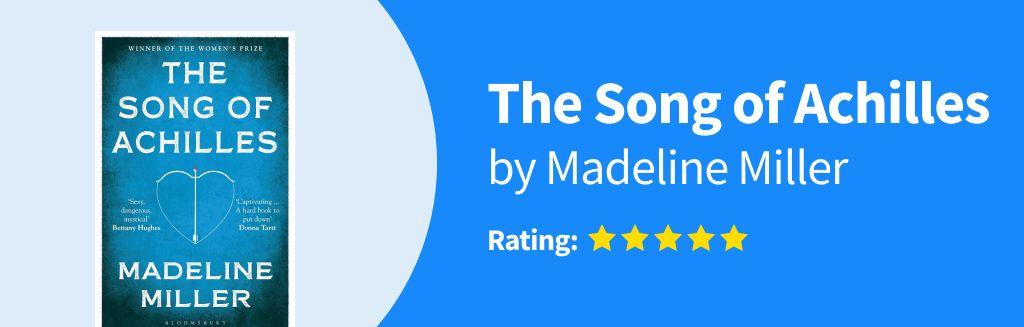
What it’s about: A retelling of the Trojan War from the perspective of Patroclus, Achilles’ closest companion — and, in this version, his lover. It follows their relationship from boyhood through to the tragic events of Homer’s Iliad.
Why we like it: This book has been everywhere on BookTok lately, and naturally, a few team members who hadn’t read it yet were curious (and a bit nervous, honestly). It came with big emotional warnings: “It’ll destroy you,” “You’ll cry for days,” and so on. So we all braced ourselves.
Interestingly, reactions were split. A couple of people didn’t cry at all and were left wondering if they’d missed something (“It was sad, but… I was fine?”). The rest of us are still concerned about them! For the rest of the team, it was gut-wrenching - that kind of slow-burn heartbreak that lingers for days. It’s a love story, a coming-of-age novel, and a war epic all rolled into one. The writing is lyrical, the love story is intimate and believable, and even if you know how the myth ends, it still hits you hard when it gets there. The emotional connection between the characters is what carries this book, and we still talk about that final chapter.
Whether or not it breaks you into pieces, it’s easy to see why The Song of Achilles is one of the most beloved romance novels set in Ancient Greece in recent years - romantic, tragic, and deeply human.
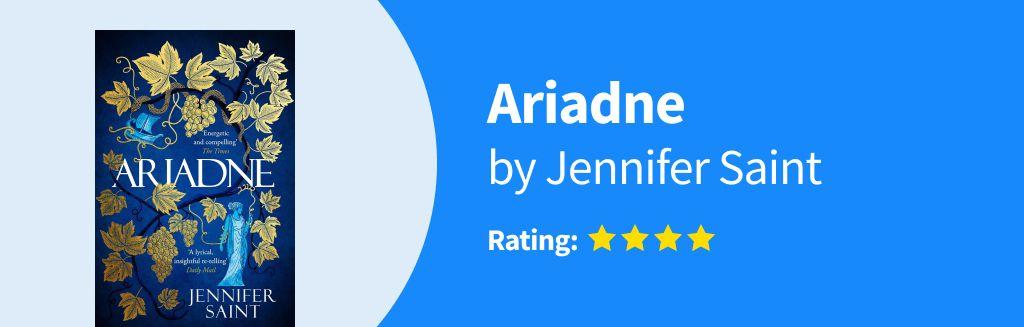
What it’s about: This reimagining of the myth of Ariadne, known for helping Theseus defeat the Minotaur, tells her story from a new perspective. It explores her betrayal, her exile, and what happens after the “happily ever after” most myths tend to gloss over.
Why we like it: We were drawn in by the lyrical prose and the focus on sisterhood, especially Ariadne’s bond with Phaedra. Not all of us loved the pacing (a couple of team members found the second half a little slower), but we all appreciated how it reframes a well-known myth through a feminist lens. The book prompted some really interesting chats about how modern fiction is reclaiming the stories of forgotten women in Greek mythology, and how much power there is in telling the “after” part of the story.
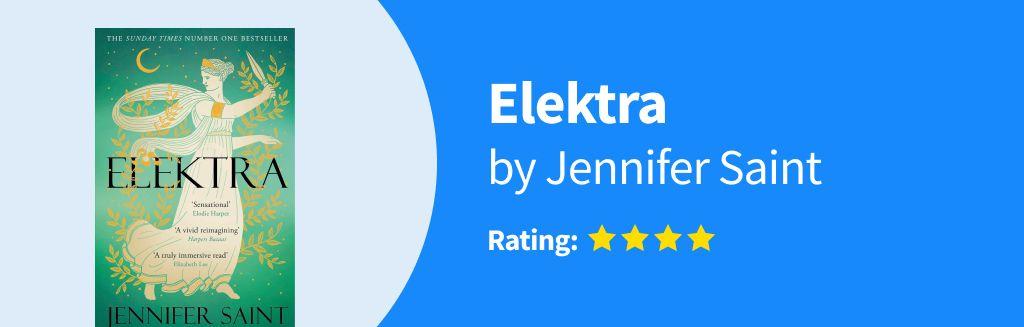
What it’s about: Jennifer Saint’s second novel turns the spotlight on Elektra, Clytemnestra, and Cassandra - three women connected by the curse on the House of Atreus and the fall of Troy. It’s a retelling of tragedy, vengeance, and divine punishment.
Why we like it: We liked Elektra even more after reading Ariadne, because it shows how Saint is building a sort of mythological universe, weaving together characters from different corners of Greek lore. The different viewpoints give real depth to these infamous women, especially Clytemnestra, whose rage and grief felt raw and justified. A few of us hadn’t read much fiction about the aftermath of the Trojan War, so this one gave us a lot to think about.
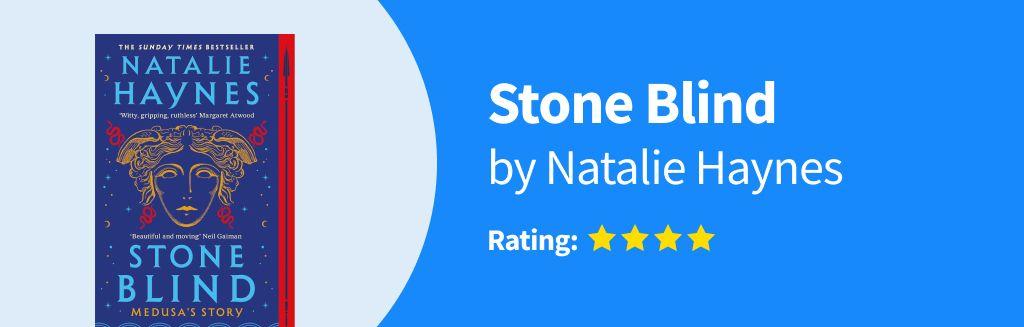
What it’s about: This bold and witty retelling of the Medusa myth flips the narrative, showing her not as a monster, but as a wronged mortal girl turned into a symbol of fear and power. It also gives space to other characters in the story, including Athena, Perseus, and Medusa’s sisters.
Why we like it: We loved how funny and sharp this book is, without ever losing its emotional depth. Haynes plays with form and perspective in a way that kept us all engaged, even those of us who thought we “knew” the story already. The team found Medusa’s voice heartbreaking but fierce, and it sparked a really passionate discussion about justice, punishment, and who gets to tell the story. Definitely one of the best books with Greek mythology we’ve read for sheer originality and voice.
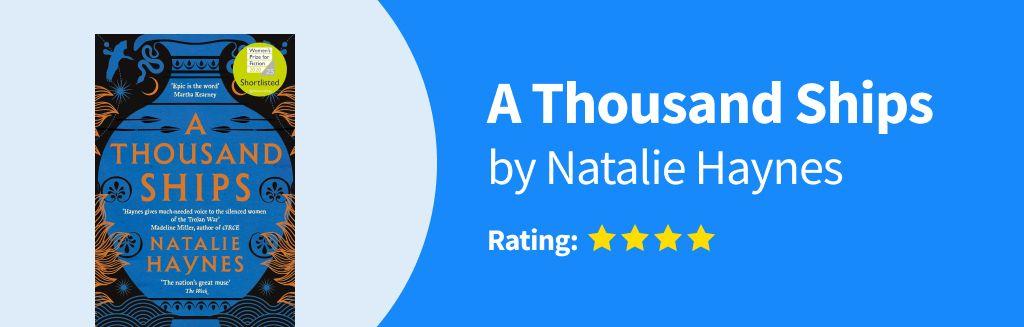
What it’s about: This is the Trojan War, but not as told by kings and warriors. Instead, A Thousand Ships gives voice to the women whose lives were destroyed or reshaped by the war: queens, slaves, goddesses, survivors. From Helen and Penelope to lesser-known figures like Laodamia and Briseis, it’s a chorus of female perspectives often left out of the epic.
Why we like it: A few of us had read this after The Silence of the Girls (coming up shortly) and really liked how A Thousand Ships takes a broader, more inclusive approach. The book hops between perspectives and timelines, which kept it feeling dynamic, but it’s the overall emotional weight that sticks with you. We had some great conversations about how these different authors are reclaiming myth through women’s voices, and how Haynes, in particular, blends humour, grief, and rage in such a clever way. One for fans of feminist retellings with bite.
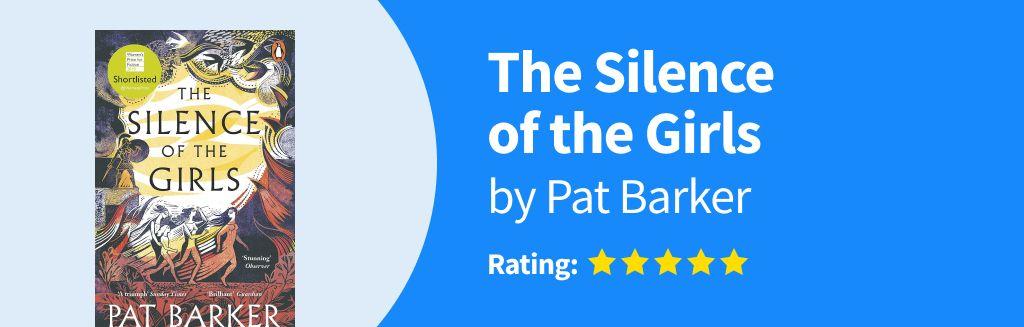
What it’s about: This Booker Prize-nominated novel retells The Iliad through the eyes of Briseis, the enslaved Trojan queen given to Achilles as a prize of war. It’s raw, brutal, and unflinching in its look at the cost of glory from the perspective of those trapped in the margins of myth.
Why we like it: This book left a few of us speechless. It’s not a light read - there’s violence, assault, trauma - but it’s handled with care and honesty. We talked a lot about how it strips the shine off the hero worship and forces you to sit with the reality of what conquest really meant. That said, the writing is beautiful, and Briseis’ quiet resilience feels incredibly powerful. If you’re looking for Greek mythology fiction that challenges the traditional narrative, this is one of the most affecting books we’ve read.
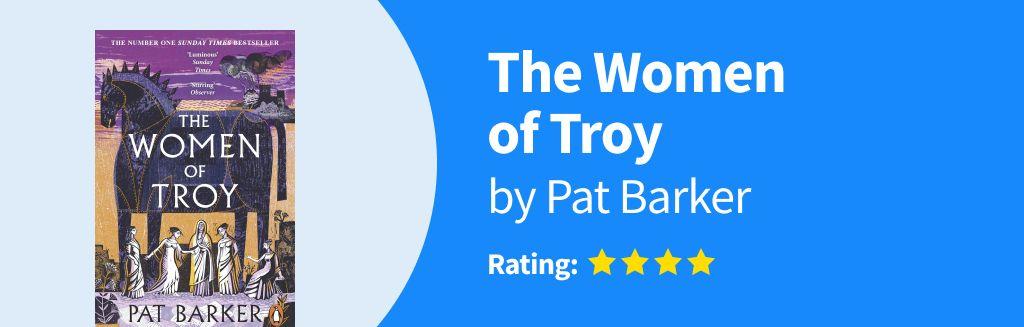
What it’s about: A direct sequel to The Silence of the Girls, this picks up after Troy’s fall, following Briseis as she navigates captivity in the Greek camp, now heavily pregnant, surrounded by broken men and forgotten women, waiting for the winds to change so they can return home.
Why we like it: This one split the team a bit - not because it isn’t good (it is), but because it’s slower, more introspective. If Silence was about trauma, The Women of Troy is about the long, hard recovery. We appreciated how it continued Briseis’ story without rushing to resolve it. It also gave more space to other women, including Hecuba and Cassandra, which opened up fresh perspectives. You’ll get the most out of it if you read them as a pair.
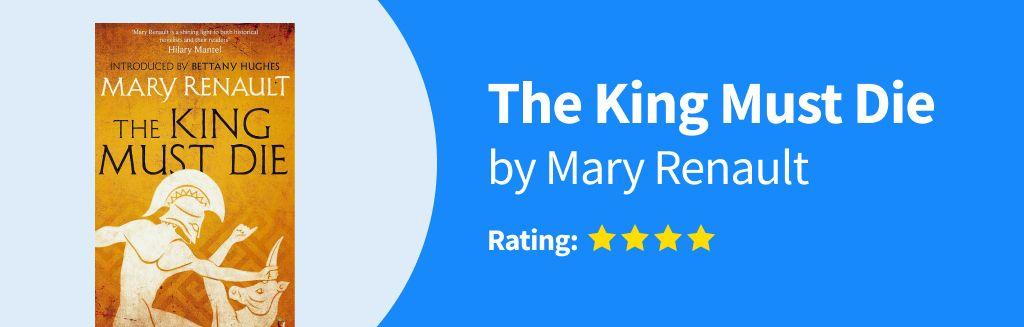
What it’s about: A historical reimagining of the myth of Theseus, from his youth in Troizen through to his fateful journey to Crete and his confrontation with the Minotaur. Renault strips away the magical elements and rebuilds the story as realistic Bronze Age fiction.
Why we like it: Mary Renault has a way of making Ancient Greece feel real - dusty streets, dangerous politics, strange rituals and all. This book has been around for decades, but it still holds up, and it’s a great choice for readers who like a grounded take on mythology. Members of the team admitted they didn’t know much about Theseus beyond “he kills the Minotaur,” so it was genuinely interesting to see him explored as a flawed but ambitious human being. Definitely one of the best novels about Ancient Greece for readers who prefer realism over fantasy.

What it’s about: This novel tells the story of Alexander the Great, but through the eyes of Bagoas, a Persian eunuch who becomes his servant and lover. It follows their journey from conquest to companionship, revealing a more intimate view of Alexander’s life and legacy.
Why we like it: Some of us were already Renault fans, and this is one of her most beloved books for a reason. It’s emotional, political, and quietly romantic, with a real sense of place and historical depth. We talked a lot about how it challenges the usual portrayal of Alexander as a distant, untouchable figure - here, he’s messy, driven, sometimes cruel, but undeniably human. Also, Bagoas is such a compelling narrator. This one isn’t strictly Greek mythology, but it absolutely belongs on a list of Ancient Greece fiction books for the way it captures the spirit of the era.
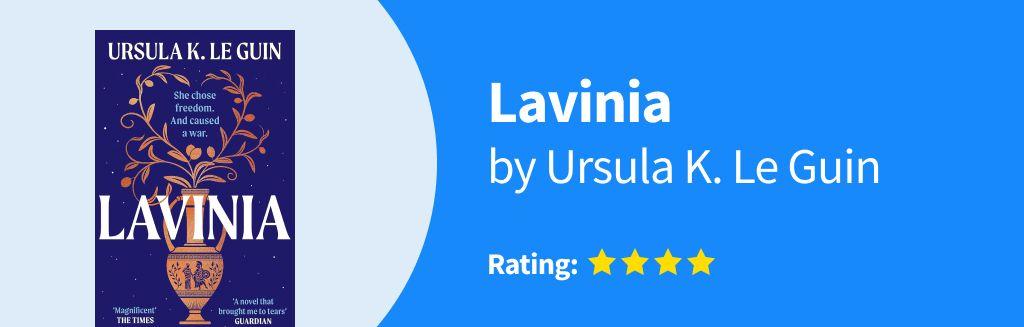
What it’s about: This imaginative retelling gives a voice to Lavinia, a character from Virgil’s Aeneid, a woman fated to marry the hero Aeneas but never given a voice in the original epic. Le Guin fills in the gaps, blending poetic prose with historical realism, and adds a fascinating metafictional twist: Lavinia knows she’s a character in someone else’s story.
Why we like it: This book felt like a quiet surprise. It’s slower-paced and more reflective than some of the others on this list, but incredibly rewarding. Le Guin’s writing is graceful and rich, and the way she reclaims Lavinia’s agency is subtle but powerful. One team member called it “like reading a dream, but with the clarity of a textbook,” which is weirdly accurate. It’s ideal for readers who want to explore classical themes through a more literary, introspective lens, and it opens the door between Greek and Roman mythology fiction in a really clever way.
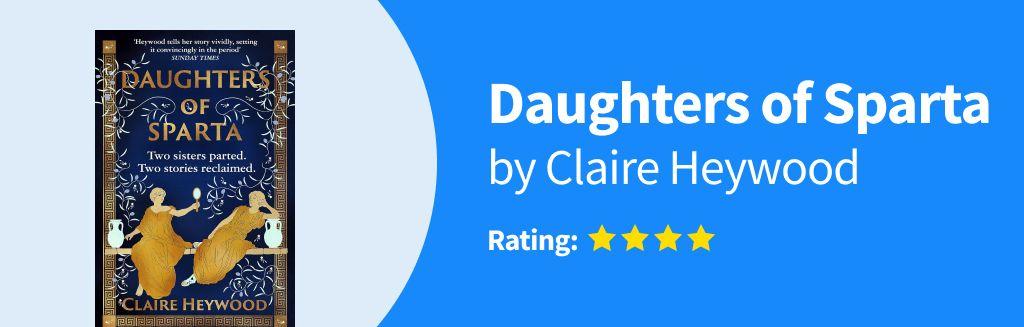
What it’s about: This dual narrative follows Helen (yes, that Helen) and her sister Clytemnestra, exploring their lives before, during, and after the Trojan War. It reimagines their stories through a feminist lens, peeling back the layers of myth to reveal the constraints and expectations placed on women in ancient Greek society.
Why we like it: We had some great team chats about this one, especially around how well it balances accessibility with depth. It’s written in a really clear, approachable style, but it doesn’t shy away from big themes like power, duty, betrayal, and sacrifice. It helped us actually understand the relationships behind the Trojan War, not just the epic moments. If you're into books about Greek mythology with a more grounded, character-driven focus, this one’s a winner.
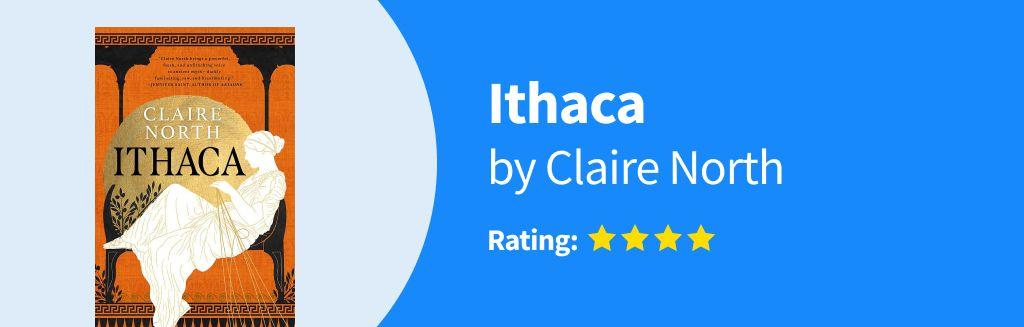
What it’s about: The first in a trilogy reimagining the Odyssey through the eyes of Penelope and the women of Ithaca. While Odysseus is off playing hero, Penelope must hold her household together, fend off suitors, and navigate the politics and dangers of ruling a kingdom in her husband’s absence.
Why we like it: This one is sharp, witty, and surprisingly funny - narrated by Hera herself, who adds plenty of sass and commentary along the way. Some of us were hooked immediately, especially by the idea of giving voice to all the women left behind in myth while the men went off to war. It’s definitely one of the most original approaches we’ve seen to Greek mythology fiction, and a few team members are already reading the sequel, House of Odysseus. A great pick if you like your mythology clever and character-driven.

What it’s about: Set in the ancient city of Pompeii, this novel follows Amara, a former doctor's daughter sold into slavery and forced to work in a brothel. It’s not strictly Greek mythology, but its world (Greek-influenced Roman culture, gods, and politics) feels close enough to sit comfortably alongside the other entries here.
Why we like it: This one really stood out - gritty, intense, but also full of heart. We loved that Amara isn’t your typical mythological figure. She’s a survivor, a fighter, and completely unforgettable. It gave us a window into the real lives of ancient women who weren’t queens or priestesses, and how even in oppressive systems, they found ways to fight for themselves. One of the best historical novels with Greek influence we’ve read recently.

What it’s about: The sequel to The Wolf Den, this novel follows Amara as she attempts to build a new life outside the brothel, but freedom isn’t straightforward, and surviving in Pompeii’s upper echelons comes with new kinds of danger.
Why we like it: A couple of us tore through this one after finishing The Wolf Den, and while it’s a bit slower-paced, it’s equally compelling. Harper continues to build out the world of ancient Pompeii with so much detail, you can almost smell the marketplace and feel the dusty streets underfoot. We talked a lot about how rare it is to find ancient-world fiction that centres on working-class women, and how these books do it so brilliantly. If you love immersive historical fiction with emotional weight and great characters, this is for you.
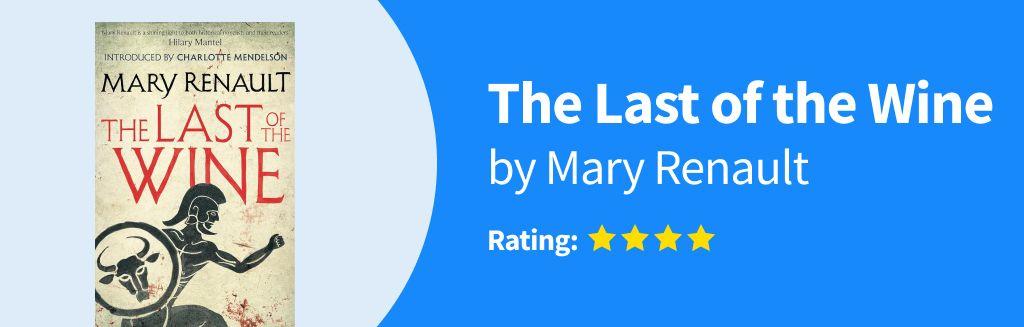
What it’s about: Set in 5th-century BC Athens during the Peloponnesian War, this classic novel follows Alexias, a young aristocrat, as he grows into adulthood amid political upheaval, philosophical discovery (including a mentorship with Socrates), and a deep love for his friend Lysis.
Why we like it: This was one of the more classic-feeling books on our list - a slower, thoughtful read with lots of depth. It really captures the mood of Ancient Greece without relying on myth or epic battles. Instead, it explores philosophy, politics, and love, with Renault’s usual attention to historical realism. Some of us found it meditative and moving; others thought it took a bit of patience to get into. But once you're in, it’s an elegant look at a side of Greek life that's often overshadowed by gods and warriors.
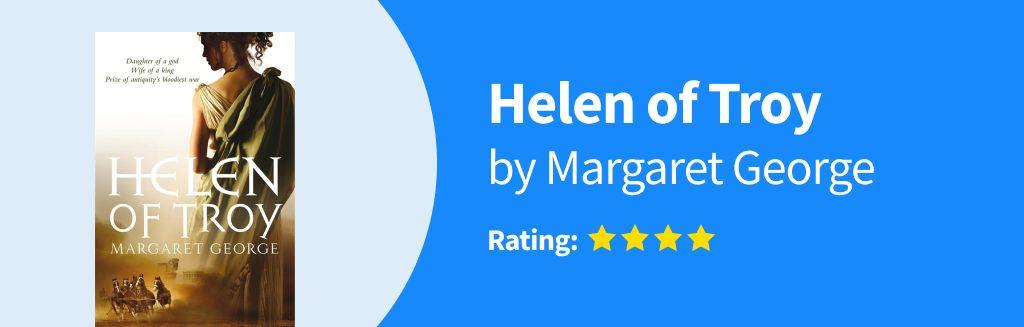
What it’s about: This retelling of the Iliad is told entirely from Helen’s point of view. It follows her from childhood to her fateful elopement with Paris and through the entire Trojan War - reimagined with historical detail and emotional insight rather than epic fantasy.
Why we like it: This book surprised us with how human it made Helen feel. She’s not just a face that launched a thousand ships here; she’s complex, flawed, and often at odds with the myth that surrounds her. We appreciated how Margaret George adds emotional layers without turning it into a romance novel. One of the team said it reminded them that “the most famous women in history rarely get to explain themselves,” and this book does just that. Great if you love Ancient Greece novels rooted in realism.
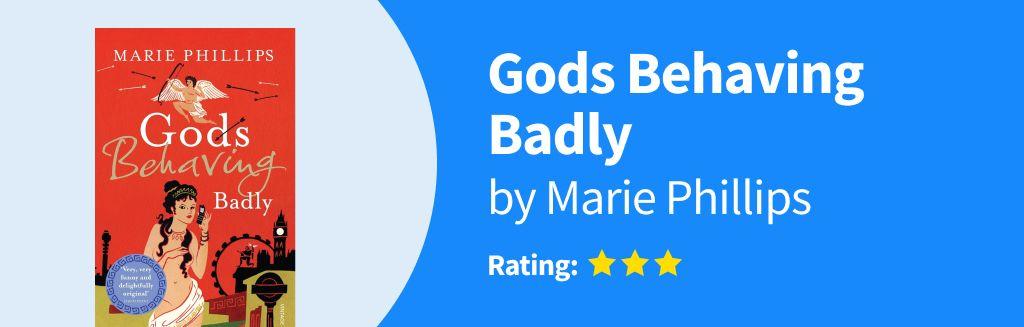
What it’s about: In this fun and irreverent novel, the Greek gods are still alive and living together in a run-down London flat. Apollo’s a TV psychic, Artemis walks dogs, and Aphrodite works in phone sex. But when a mortal couple gets caught up in their drama, all of Olympus threatens to come crashing down.
Why we like it: This one definitely divided the team. Some of us loved the offbeat humour and loved seeing the gods stripped of their grandeur; others found it a bit too quirky. But we all agreed: it’s a refreshingly different take on books with Greek mythology. If you’re after something lighthearted with a modern twist (and don’t mind a little chaos), it’s a fun break from the tragedies and war stories.
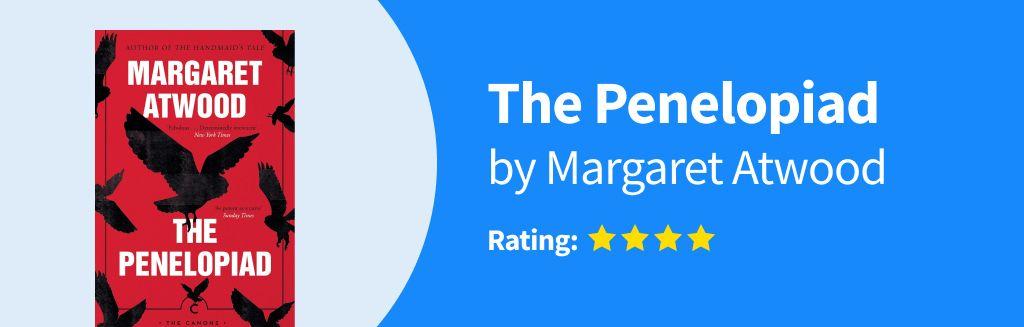
What it’s about: Part of the Canongate Myth Series, this novella retells The Odyssey from Penelope’s point of view, and from the perspective of her twelve hanged maids. Blending dark humour, feminist critique, and mythic rhythm, it flips the narrative of the loyal wife waiting patiently at home.
Why we like it: Atwood’s voice is unmistakable - clever, biting, and full of unexpected insight. This isn’t a straightforward historical novel, but more of a literary experiment, and a few of us found it to be one of the most thought-provoking books of the lot. We especially liked the chorus sections from the maids - they’re eerie, playful, and devastating. If you want Greek mythology fiction that’s bold and boundary-pushing, this is it.

What it’s about: This visceral novel reimagines the myth of Medea, starting with her flight from Colchis aboard the Argo, carrying her brother’s severed head, and leading toward the infamous tragedies that define her myth. Vann presents her as fierce, primal, and utterly unforgettable.
Why we like it: This is one of the darkest and most intense books we have read for this theme, but also one of the most poetic. The language is dense and dreamlike, the pacing almost hypnotic. Not everyone in the team could finish it (fair warning: it’s brutal), but those who did were stunned. It digs into the myth of Medea like nothing else and offers a chilling take on obsession, power, and feminine rage. Best for readers who like experimental literary fiction and don’t shy away from the dark stuff.
We’ve read a lot of Ancient Greece fiction this month. From poetic retellings to gritty historical dramas and sharp, modern twists on old myths - this theme had it all. What started as a team reading challenge quickly turned into a daily “have you read this one yet?” conversation, and honestly, it’s been one of our most engaging themes yet.
We love how today’s authors are reimagining the Greek mythology books we grew up with - giving the spotlight to women, exploring darker corners of well-known stories, and creating bold new interpretations that feel emotionally real and relevant.
Whether you’re looking for a lyrical love story (The Song of Achilles), a feminist myth retelling (Ariadne, The Penelopiad), or something wildly different (Gods Behaving Badly), we hope you found something here to fall in love with.
And if your bookshelves are already creaking under the weight of all your history and mythology reads (we feel you), don’t forget, you can always sell your books to WeBuyBooks and make room for your next obsession.
Like this post? These posts may be of interest to you:
Would you like to continue the conversation? Share this post!





 How It Works
 How It Works
 Get 10% Extra