Last year, our customers made an average of £24.94*selling their books to us.
Sell My Books
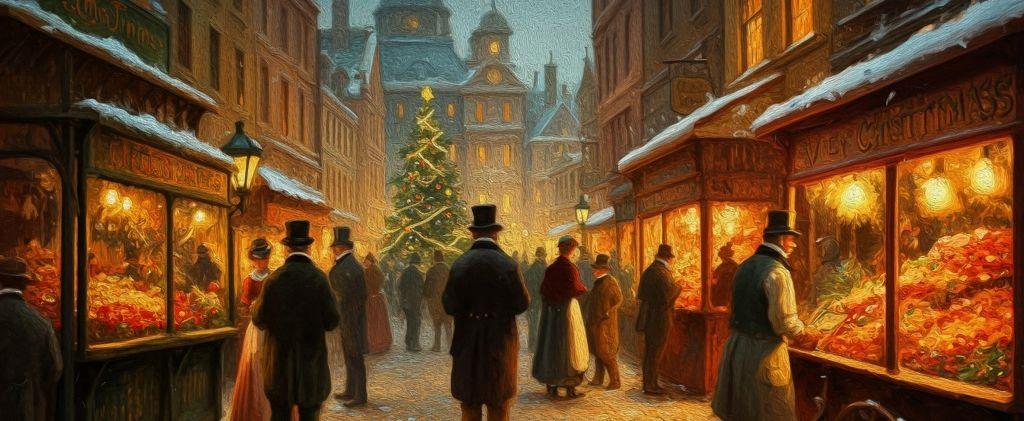
There aren’t many books that feel as Christmassy as A Christmas Carol. Even if you’ve never sat down and read it cover to cover, you probably know the basics: Scrooge is grumpy, ghosts get involved, someone says “Bah! Humbug!”, and Tiny Tim warms everyone’s hearts. It’s one of those stories that just lives in the holiday season.
Here at WeBuyBooks, we’ve all got a soft spot for the Dickens Christmas Carol book. It’s cosy, a bit spooky in places, surprisingly funny, and packed with the kind of messages that make you stop and think (even if you’ve heard them a hundred times before). And because we see so many editions of this book come through our warehouse, we’ve picked up plenty of little facts and insights along the way.
So if you’ve ever found yourself wondering things like:
… then this guide has you covered. Ready to step into Victorian London and follow Scrooge on the most iconic Christmas redemption arc of all time? Let’s dive in.
At its heart, A Christmas Carol is the story of Ebenezer Scrooge, a wealthy, miserable, Christmas-hating businessman who thinks joy is pointless, generosity is a waste of money, and everyone should basically leave him alone to count his coins. Charming, right?
On Christmas Eve, Scrooge is visited by the ghost of his old business partner, Jacob Marley, who turns up in chains to warn him that his selfish ways are leading him down a very dark path. Marley tells him he’ll be visited by three spirits: the Ghost of Christmas Past, the Ghost of Christmas Present, and the Ghost of Christmas Yet to Come. Each ghost shows Scrooge a different side of his life, including the good, the painful, and the consequences of what will happen if he doesn’t change. Through these visions, Scrooge is forced to confront who he is, how he treats people, and what really matters.
By Christmas morning, he wakes up transformed. The once miserable miser becomes generous, kind, and genuinely joyful, which is a complete turnaround that affects everyone around him, especially the Cratchit family and little Tiny Tim.
It’s a short book, but surprisingly emotional, uplifting, and full of that warm “maybe I should be a better person” feeling Dickens does so well.

So, when did Dickens actually write A Christmas Carol? Surprisingly, he wrote the whole thing in just six weeks! Dickens started working on it in October 1843, and the book was officially published on 19 December 1843, which is wild when you think about how iconic it has become! He was determined to get it out before Christmas, partly because he loved the festive season, and partly because he urgently needed money (Victorian life… not easy).
But there was more to it than that. Dickens had been deeply affected by the poverty he’d seen in London, especially among children, and he wanted to write something that would make people pay attention. Instead of publishing a political pamphlet, he decided a story would hit harder, and he was right.
A Christmas Carol sold out its first print run by Christmas Eve, just a few days after release. The book was a commercial and cultural hit almost instantly, and Dickens’ vision of Christmas, showcasing family, charity, celebration, and warmth, helped shape many of the traditions we recognise today.
It’s never been out of print since. Not bad for a six-week writing sprint!
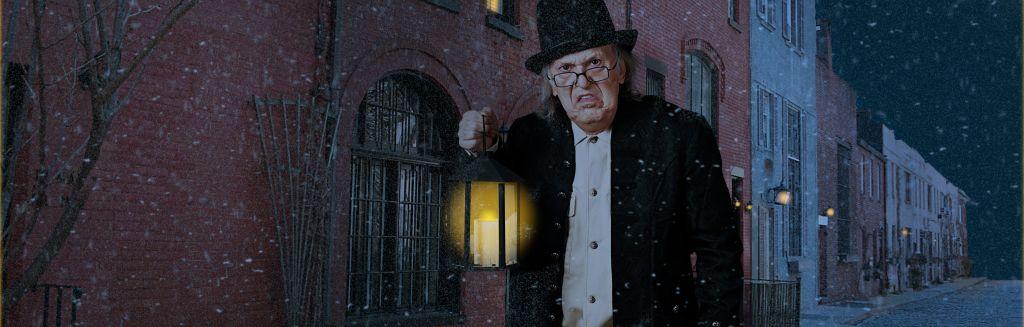
One of the reasons A Christmas Carol sticks with us is its cast of memorable characters. Some are warm and hopeful, others spooky, and a few exist purely to remind Scrooge (and us) what really matters. Here’s a quick guide to the key people you’ll meet in the Dickens Christmas Carol book.
The star of the story, though he’d absolutely hate being called that. Scrooge is cold, grumpy, tight with money, and completely uninterested in Christmas or kindness. His transformation from miser to good man is the heart of the book.
Scrooge’s former business partner, now a ghost weighed down with heavy chains. Marley’s visit is the wake-up call Scrooge desperately needs. He’s the one who warns Scrooge that the three spirits are coming.
This spirit is a strange mix of young and old, glowing with memory and nostalgia. They take Scrooge back through earlier moments of his life, some of which are joyful, and some that are painful, to show him how he became who he is.
A jolly, larger-than-life spirit who embodies generosity, warmth and celebration. He shows Scrooge how Christmas looks for other people right now, including the Cratchit family’s humble but loving holiday.
Silent, shadowy, and genuinely eerie. This spirit reveals the possible future Scrooge is heading toward if he refuses to change. It’s the moment that really shakes him.
Bob is Scrooge’s underpaid, overworked clerk. Despite everything, Bob stays kind, patient and hopeful. His character reflects Dickens’ compassion for the working poor.
Bob’s youngest son, loved by everyone who meets him. Tiny Tim represents innocence and vulnerability and becomes the emotional centre of Scrooge’s transformation.
Scrooge’s cheerful nephew, who refuses to give up on him, even though Scrooge rejects his Christmas invitation every year. Fred is basically the human embodiment of festive spirit.
Scrooge’s old employer from his youth, who is famously warm, generous, and joyful. Fezziwig is a reminder that success doesn’t have to come at the expense of kindness.
Belle is Scrooge’s former fiancée. Their relationship ends when Scrooge becomes obsessed with money. Her storyline is short but important, as it shows just how different his life could have been.

You can’t talk about the A Christmas Carol book without mentioning its iconic lines. Even people who haven’t read a single page can usually quote at least one of them. Here are some of the most memorable A Christmas Carol quotes, plus a little bit about why they’re important and iconic.
Scrooge’s catchphrase. Short, grumpy, and instantly recognisable. This line has become one of the most famous expressions of festive grumpiness in history. It’s important because it really tells you everything you need to know about Scrooge in two words!
Probably the most heartwarming line in the whole book. Tiny Tim’s simple kindness sits at the emotional centre of the story. This quote represents the message of compassion and hope that Dickens wanted readers to take away.
This is Scrooge’s turning point as the moment he fully commits to becoming a better person. It’s a reminder that Dickens never intended Christmas spirit to be a one-day thing.
This line appears early on, when Scrooge shows zero interest in helping the poor. It reveals the harsh Victorian attitudes Dickens was pushing back against and highlights how far Scrooge has to go.
A heavy line, but a powerful one. It pretty much sums up Marley’s entire message: change while you still can.
This quote is big, warm, and booming, just like the spirit himself. It sets the tone for the Present’s lesson: generosity and joy aren’t luxuries; they’re part of being human.
If you read the book again with these lines in mind, you’ll spot just how carefully Dickens uses dialogue to guide Scrooge’s transformation, along with ours a little bit too.

For a book written in 1843, A Christmas Carol feels strangely modern. Sure, the setting is Victorian London, and everyone is wearing bonnets and waistcoats, but the themes? They still hit home today.
Here’s why this little Christmas novella continues to stick around:
It’s about being human, not just being festive
Dickens wasn’t trying to create a cosy Christmas story just for the sake of it. He was writing about kindness, empathy, and the way our choices affect the people around us. Those ideas don’t really age.
It challenges the “every person for themselves” mindset
When Dickens wrote A Christmas Carol, poverty was everywhere, and society often ignored it. Scrooge represents that attitude, and the book calls it out clearly. Even today, the message “look after each other” feels important.
It makes us think about who we want to be
Every time you read it, you end up asking yourself questions like:
It’s both a story and a gentle nudge.
It shaped how we celebrate Christmas
This still amazes us: A Christmas Carol helped popularise the idea of Christmas as a season of generosity, food, family, and joy. Many of the traditions we treat as “classic Christmas” can be traced back to Dickens’ influence.
And finally… it’s just a great story Ghosts, time travel (sort of), emotional moments, a massive character transformation… it has everything! No wonder it’s one of the most adapted stories in history.

Even if you know the story well, the background behind A Christmas Carol is just as interesting as Scrooge’s transformation. Here are some quick, friendly facts about the A Christmas Carol book that always surprise readers:
’A Christmas Carol’ isn’t just a festive story, it’s one of those books that sticks with you long after the Christmas lights come down. Whether you’re here for the quotes, the summary, the characters, or you just wanted a refresher before rereading it, we hope this guide has brought a bit of Victorian charm (and maybe even a tiny Scrooge-style epiphany) to your day.
Dickens wrote the story to inspire kindness, generosity, and connection. These values still feel just as important now as they did in 1843.
If your bookshelves are looking a bit crowded (or you’ve accidentally collected more copies of A Christmas Carol than you meant to - it happens!), you can easily sell your unwanted books using the WeBuyBooks app. You just scan the barcode, get an instant price, and send them to us for free. Nice and simple.
And if you’ve got any older Dickens editions tucked away, maybe something passed down through the family, feel free to get in touch. We handle thousands of books every day, so we’re always happy to help you figure out whether a copy might be special or collectable.
Now, with all that said, we’ll leave you with the words of Tiny Tim: “God bless us, every one!”
Like this post? These posts may be of interest to you:
Would you like to continue the conversation? Share this post!





 How It Works
 How It Works
 Get 10% Extra