Last year, our customers made an average of £24.94*selling their books to us.
Sell My Books
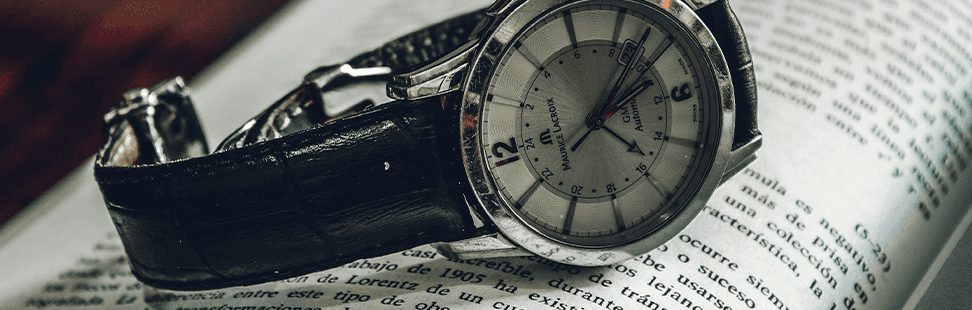
In an era dominated by mobile phones and smartwatches, the traditional watch remains a symbol of functionality and sophistication. For hundreds of years, the humble watch has kept humanity on time, but over time, it has become more than just a simple timekeeping device; they are an emblem of human ingenuity and creativity at its finest.
Since the creation of the very first watch back in the 1500s, the process of watchmaking has been synonymous with patience, precision, and human ingenuity. From the intricate designs of 16th-century horologists to the handcrafted pieces of the world-famous Swiss workshops, watchmaking is a reflection of humanity's constant pursuit of perfection in both function and design.
For as long as watchmaking has been alive, books have been the guardian of the craft. It's through books that the art of making watches has been recorded and shared across the globe. They preserve not only the technical knowledge, but the rich history of the art in manuals, manuscripts, and the memoirs of the world’s most renowned watchmakers.
In this article, we explore the art of watchmaking and highlight some of the best watchmaking books, from classic guides used by aspiring apprentice watchmakers to beautifully written histories that celebrate the craft’s heritage. So, whether you are a collector, a curious reader, or just looking to sell horology books, this is the place to be.
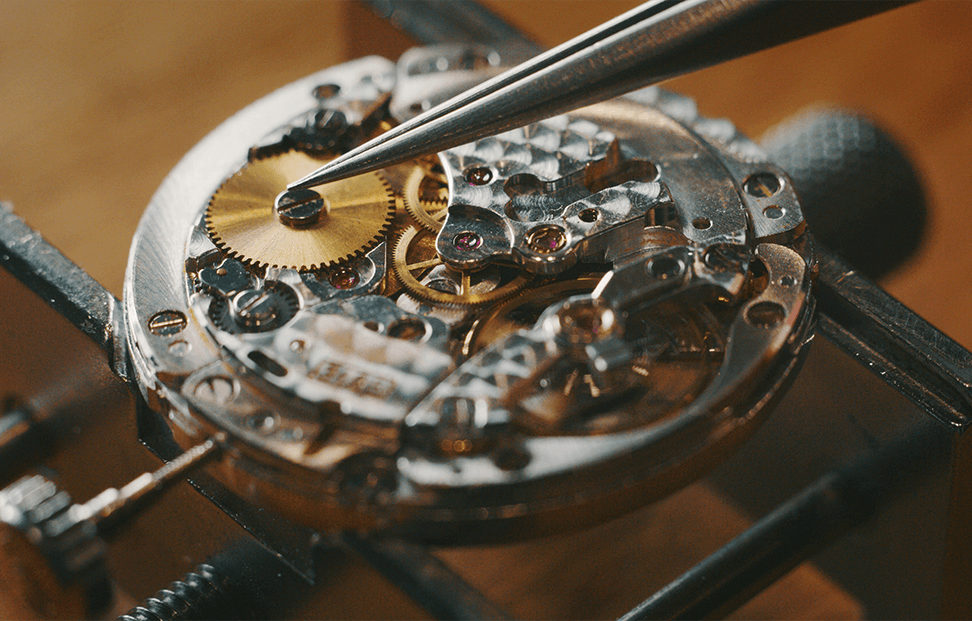
The origins of the watch date back thousands of years, long before the invention of the wristwatch as we know it today. Long ago civilisations needed to find ways of telling the time, but the technology for modern watches was distant fantasy, so, they came up with their own ingenious ways of telling the time: the Egyptians used shadow clocks and suns dials to give them the time of day, and the Greeks and Chinese used the power of water to tell the time with the Clepsydra. These examples are just a few ways that our ancestors used to tell the time, but they are a long way from the intricate mechanical watches of the 21st century. These timekeeping methods set the groundwork for what would later become the modern clock.
The first mechanical watches appeared around 1275 and relied on a complex assemblage of weight-driven gears to operate. Due to the limited technology of the time, early clocks were massive, which meant they were often fitted on large structures like Big Ben in London. The transition from large clocks to small transportable ones began to take hold around the 15th century. It was the invention of the mainspring (a coiled spring that could store energy) that made the miniaturisation of clocks possible.
By the early 1500s, craftsmen like Peter Henlein, a German locksmith, were creating the world’s first hand-held clocks. These new creations were, at the time, the height of technology, but they were primarily used for display purposes rather than for practical usage, most likely due to the limited accuracy of early models.
The following years saw the emergence of three key nations that stood above the rest as masters of watchmaking: Switzerland, renowned for perfecting the art of miniaturisation, France for honing the aesthetic and decorative elements, and England for advancing the technical elements of the craft. Some of the most notable figures included Thomas Tompion and John Harris, who were pioneers of the quickly evolving craft.
The Industrial Revolution came onto the scene in the late 18th century, and with it, a new way to manufacture watches. They could now be produced on a much larger scale, which meant that what was once a purely handmade craft was now a massive, scalable industry. This, in turn, gave rise to much more affordable, mass-produced watches.
Many years later, in the 1970s, came the quartz revolution, where companies like Seiko (a well-known watchmaking company that still operates today) started using tiny batteries to power their watches instead of the traditional mechanical structure. This technological leap meant watches became much more accurate and reliable, almost spelling the end of traditional watchmaking methods.
Thankfully, traditional methods saw a comeback, and the traditional art of making mechanical watches continues today.
For hundreds of years, books have formed the backbone that has allowed watchmaking to survive and grow. Before the internet, it was books that allowed for the sharing of knowledge; even now that we have near limitless technology at our fingertips, books remain a keystone in the watchmaking trade. Take a look at some of the most iconic watchmaking books.
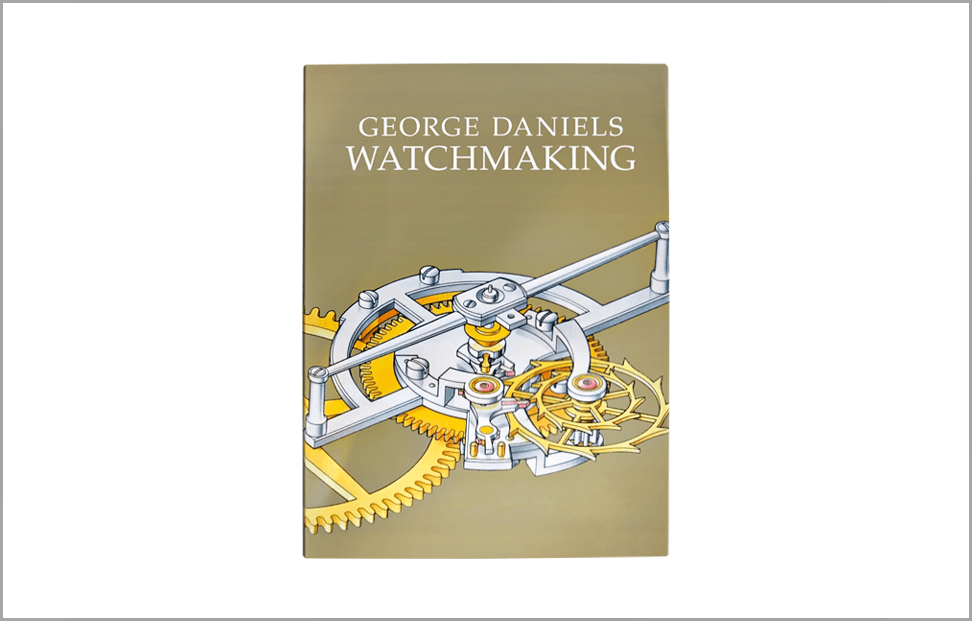
Best For: Aspiring watchmakers, serious enthusiasts
Summary: Written by one of the leading watchmakers of the 20th century, George Daniels, Watchmaking is an essential guide that covers pretty much everything there is to know about the craft; from how to hand-make the precise gears to the delicate finishing touches, this book acts as both a technical manual and a testament to the level of craftsmanship that it takes to become a watchmaker.
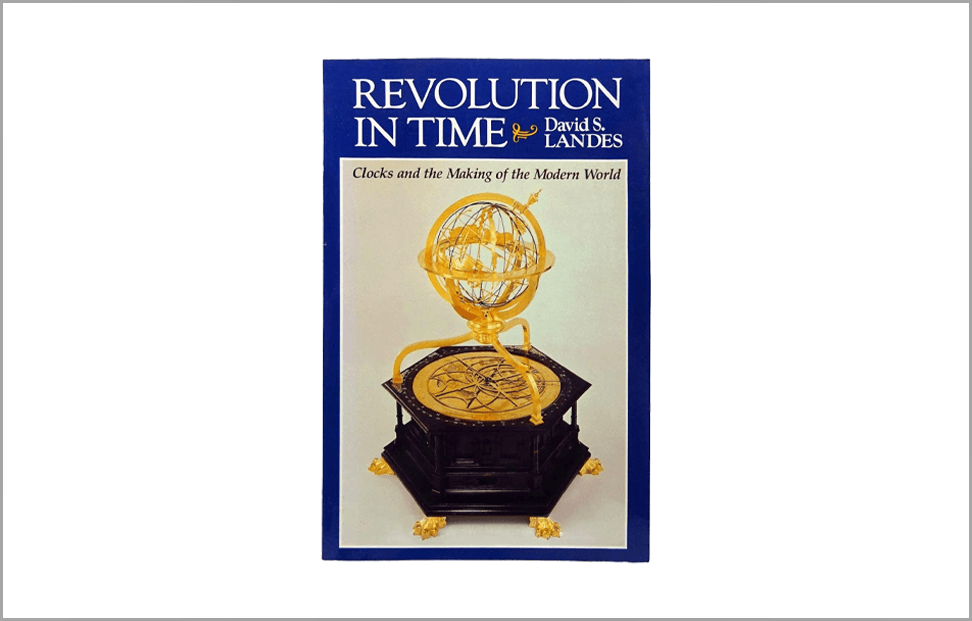
Best For: Enthusiasts with an interest in the history and culture behind watchmaking
Summary: If you are looking for a book to take you on a journey through the history of timekeeping, look no further; this book will open your eyes to the impact that accurate timekeeping has had on human culture, economy, and even religion. Written in a scholarly yet accessible format, Revolution in Time explores how the introduction and evolution of accurate timekeeping devices have shaped civilisations across the globe.
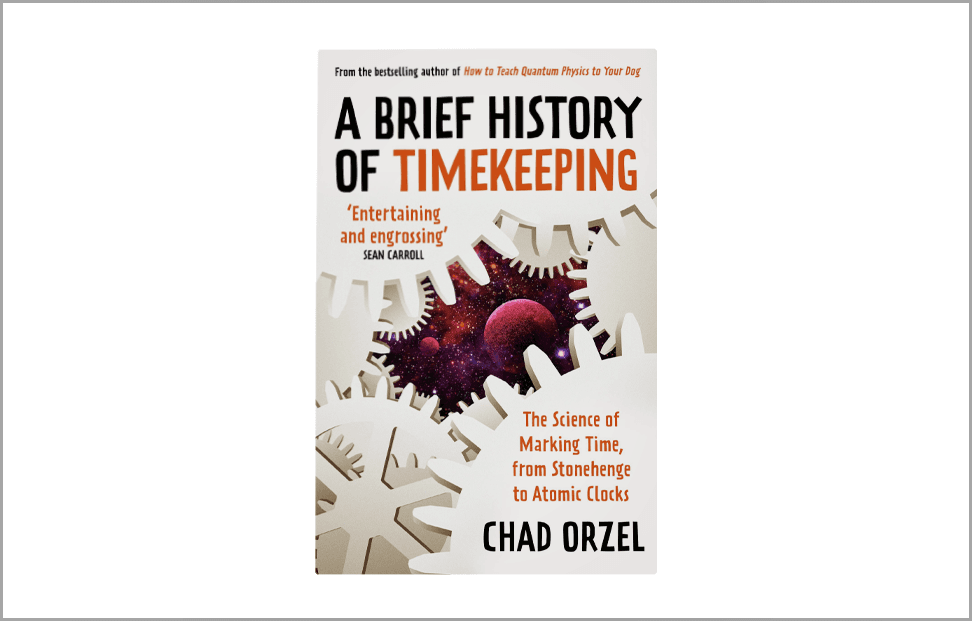
Best For: Readers with a surface-level interest in the history of watchmaking.
Summary: From the sundials of Ancient Egypt to the pocket watches of the early 1900s, A Brief History of Timekeeping explores humanity's everlasting search for new and improved ways of accurately telling the time, and how that quest has moulded our existence.
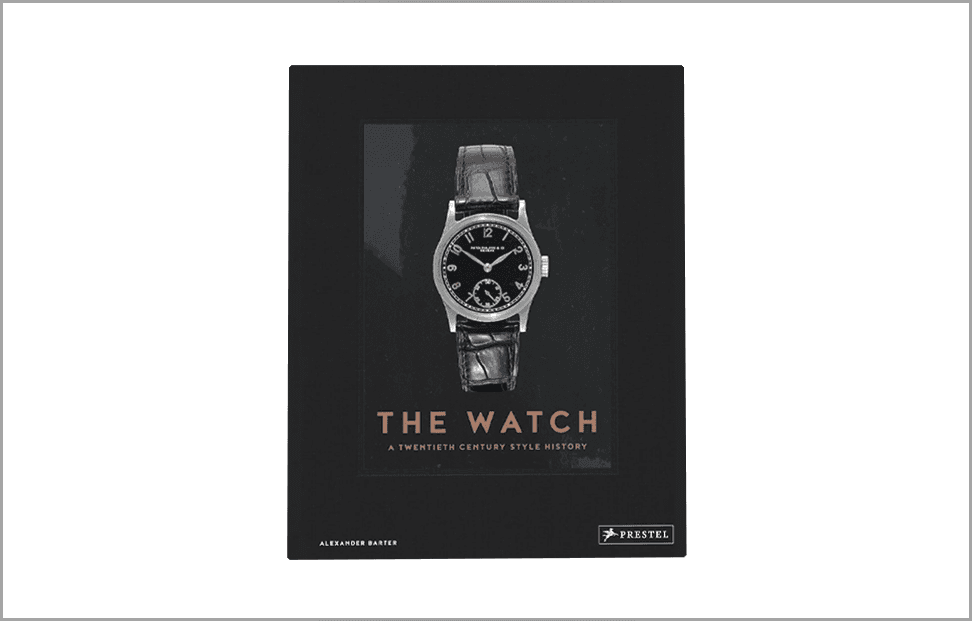
Best For: Watch collectors and readers with an interest in fine design
Summary: Steering the conversation to focus on the aesthetic element is Alexander Barter’s The Watch: A Twentieth-Century Style History. This beautifully written book covers the evolution of watch design throughout the 20th century and explores how watches form the bridge between form and function.
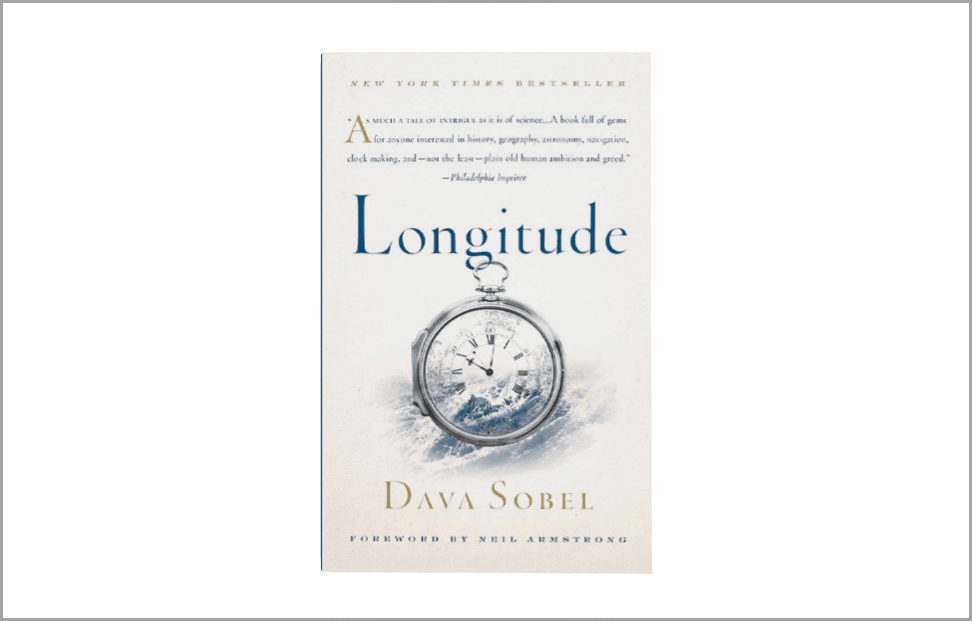
Best For: Watchmaking enthusiasts who love narrative non-fiction and real-life storytelling.
Summary: You could call this a case study with character, as it details the life and achievements of John Harris, a self-taught clockmaker who revolutionised navigation by inventing the marine chronometer. Longitude comprises a clever blend of adventurous biographical and insightful historical writing that will keep anyone with even a vague interest in watchmaking locked in for hours.
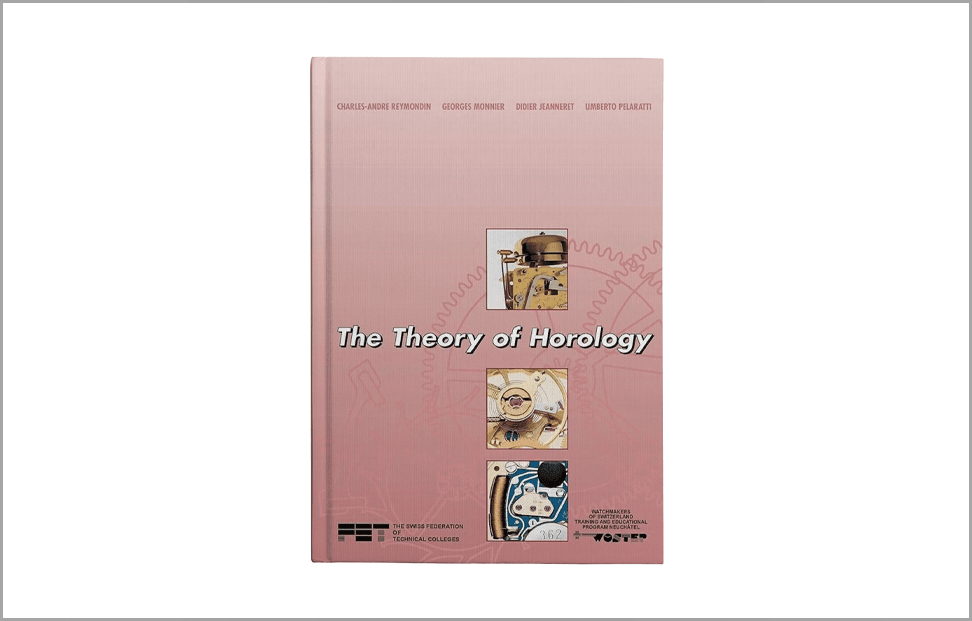
Best For: Students, teachers professionals of horology.
Summary: Used as a core textbook for many Swiss watchmaking schools, this book's reputation precedes it. Whether you are studying, have finished studying, or are just considering it, this book is a must-read. Featuring expert tuition, dense theoretical and mathematical content, and an abundance of other essential information, we would recommend this book to any watchmaker regardless of experience.
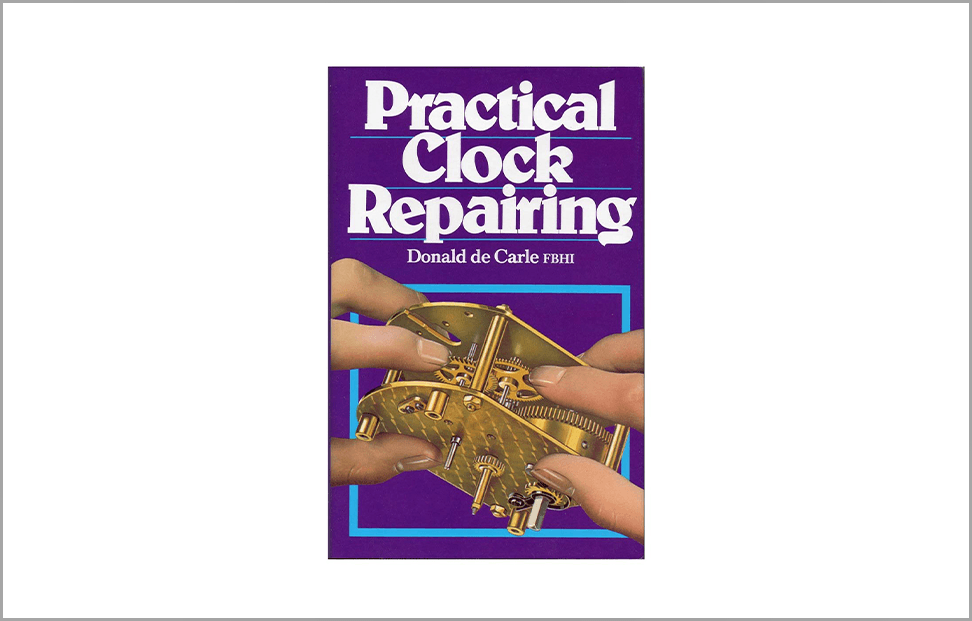
Best For: Hobby watchmakers, DIYers, and mechanical enthusiasts
Summary: For generations, Donald de Carle has been guiding the hands of professional and amateur watchmakers with his writings. Practical Watch Repairing is the ever-reliable manual that will guide you through every step of repairing a watch in an easily understandable format. This book stands as an example of reliability and the practised expertise.
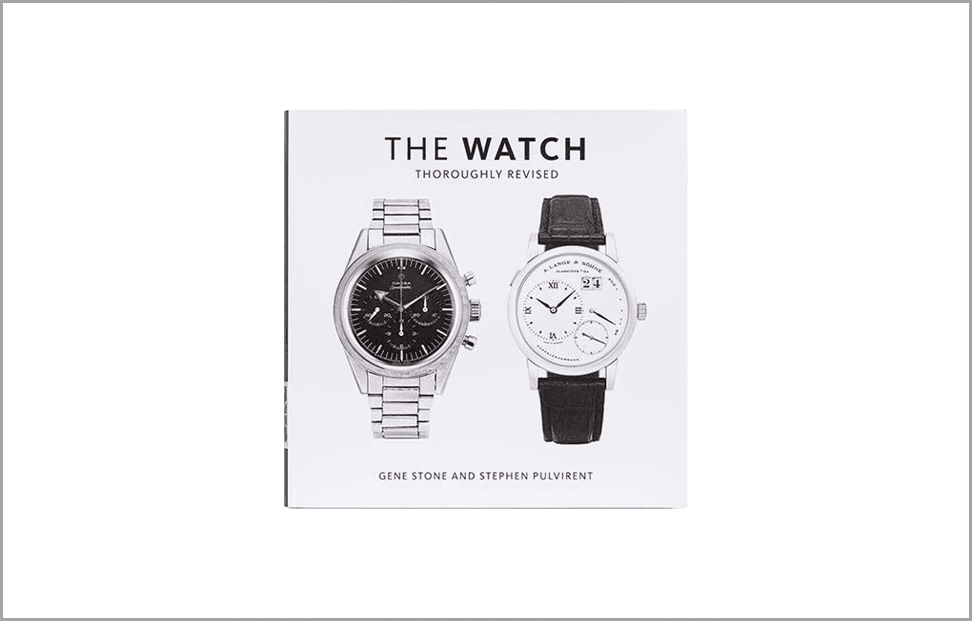
Best For: Modern watch collectors
Summary: The role of the watch is two-fold: to be practical and to look good, and it’s the latter of these functions that The Watch by Gene Stone & Stephen Pulvirent digs into. Focusing on the premium brands, this book is a comprehensive guide to the most iconic watches, featuring detailed photographs and historical context.
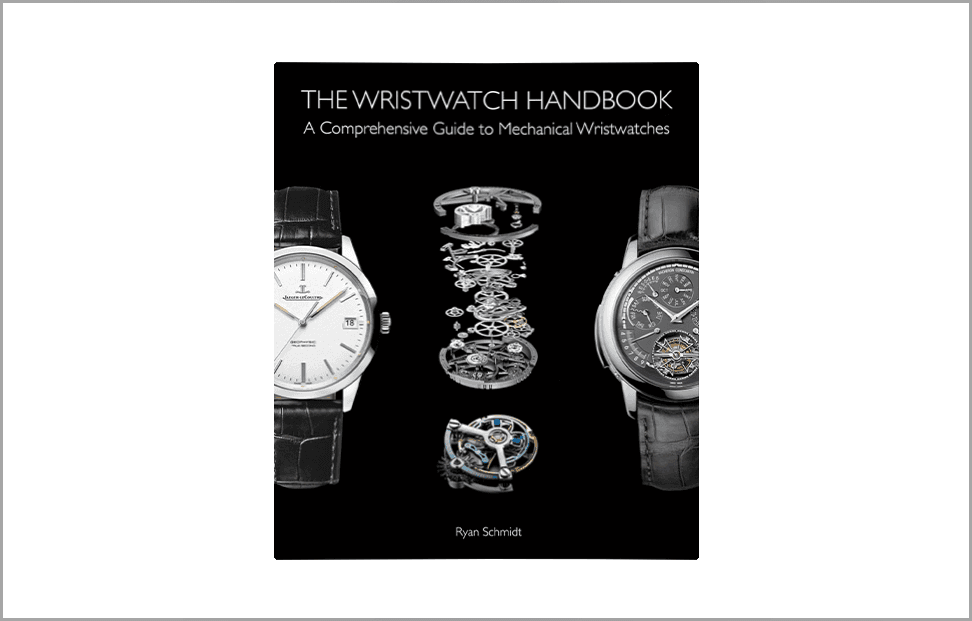
Best For: Readers with a head for precise mechanics and complicated engineering
Summary: Ryan Schmidt’s The Wristwatch Handbook stands out as one of the most technically advanced watchmaking guides available. From basic components to some of the most complicated processes, this book covers everything there is to know about how wristwatches work, and it does so in immense detail.
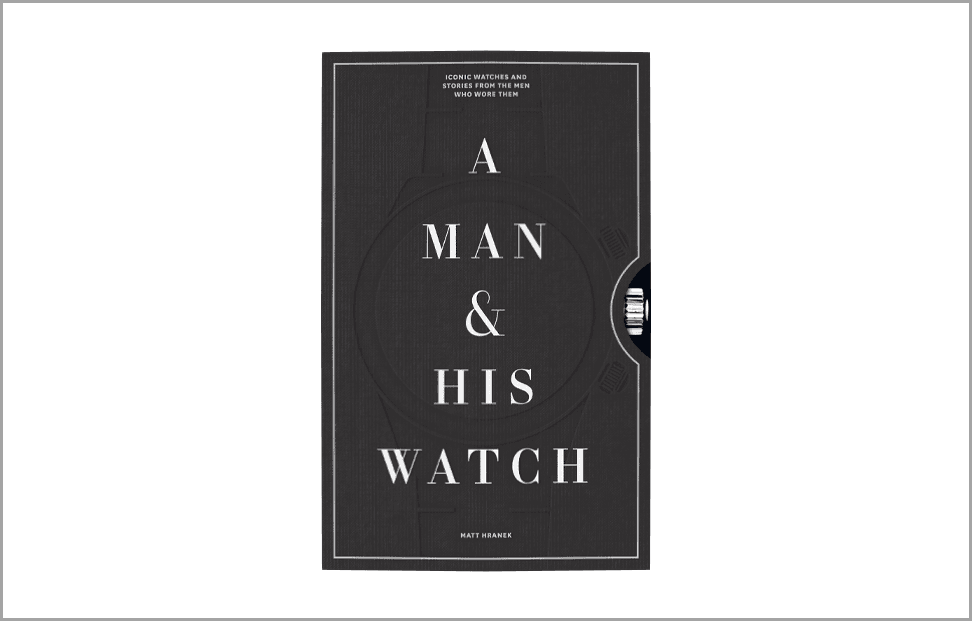
Best For: wristwatch enthusiasts with an interest in design and storytelling.
Summary: Rather than focusing on watches themselves, A Man and His Watch looks at the relationship between a watch and its owner, exploring the connections people have to their timepieces. Matt Hranek offers a reminder that a watch is more than just a mechanical device; it is a piece of someone’s story, a part of their personality, something that is always with them. It also reveals how people can project themselves through their watches, using them as a symbol.

Whether your interest in watchmaking is academic, financial, or purely based on curiosity, books offer the perfect route to furthering your interest. Watchmaking books can hold value in their own right too; whether as rare collectors’ items or pieces of watchmaking heritage, and much like a good watch, watchmaking books need to be taken care of.
There are many classic horology titles, especially those published during the 19th and 20th centuries, that were produced in limited numbers or by specialist presses. Over time, a lot of these books have become like gold dust, sought after by collectors both for their rarity and their connection to traditional watchmaking. Old illustrations are also a huge selling point for collectors; the large hand-drawn diagrams on fold-out parchment offer an unequalled perspective into traditional watchmaking techniques.
WeBuyBooks offers a trusted and straightforward way to give your old horological books a new life. By maintaining and selling your old watchmaking books, you are directly contributing to the preservation of the age-old watchmaking craft.
So that brings us to the end of our exploration into the world of watchmaking books, and if you take anything away from this article, it should be this: collection and selling horology books isn’t just about ownership, it’s about stewardship, the preservation of watchmaking as a craft, and you can be a part of that by looking after and selling your copies to the right buyer.
Would you like to continue the conversation? Share this post!





 How It Works
 How It Works
 Get 10% Extra