Last year, our customers made an average of £24.94*selling their books to us.
Sell My Books

In an age of digital downloads and endless doom scrolling, you might expect knitting to be a thing of the past, but the last few years have seen a resurgence in the number of Brits taking up their knitting needles once again. Both beginners and seasoned stitchers are casting on and knitting up a storm, and that means that knitting books are back in fashion and in higher demand than ever before!
Nowadays, simply typing “how to knit” into Google can get you started, but we all know that a digital guide will never compare to picking up a good book.
In this article, we explore why knitting is gaining popularity in the UK and how this thousand-year-old craft has evolved since its inception. We also examine some of the knitting literature that is pioneering the craft’s resurgence.
In this article, we will be talking about:
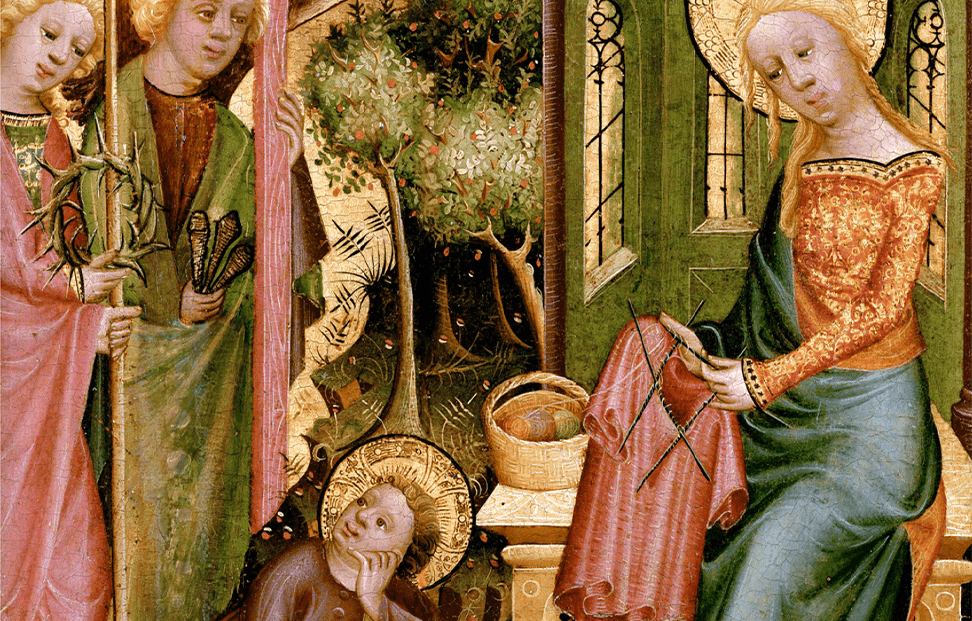
It’s fair to say that knitting has been around for a long time, and since its inception, a lot of things have changed, but knitting at its core remains largely the same. There is some contention among historians as to when it was first invented, but it is believed that knitting originated in the Middle East, most likely Egypt, around the 11th century. Some of the earliest examples of knitting were finely made socks that were so advanced that they still astound modern-day experts.
Eventually, the craft spread to Europe and beyond via trade routes. Over the years, knitting spread and evolved, becoming a mainstream technique for producing textiles both commercially and domestically.
Over the years, several knitting saw several significant events, including:
Before the internet, the art of knitting was passed down generation to generation through word of mouth and in books. Knitting books today aren't just simple guides; they are accumulated knowledge of nearly two thousand years' worth of knitters, refined for the modern audience. Every book has its purpose, providing invaluable knowledge that keeps the art alive.
In today's day and age, with near limitless information on the other side of a Google search bar, you might be wondering whether a knitting book still has any relevance. Well, like the craft they represent, they are making a comeback, and here’s why:
Take a look at our list of the best knitting books. If you have any of these books sitting around gathering dust on your shelf, you can sell them to WeBuyBooks and use the cash to fund your next yarn purchase.
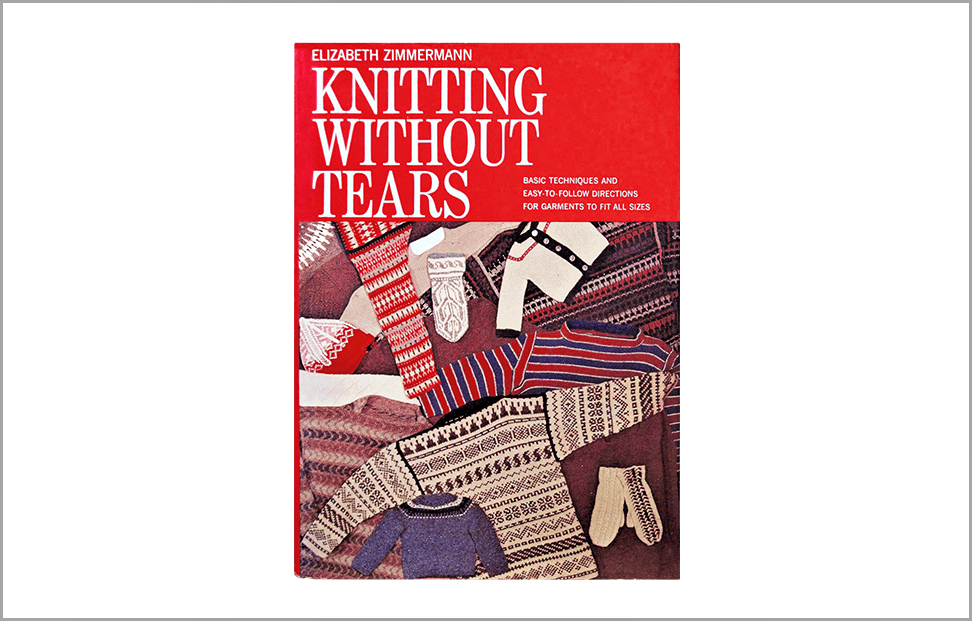
What it’s about: Knitting Without Tears is a revolutionary book that helps knitters take a step away from set patterns and approach their projects with more creative independence. Zimmermann introduces her “EPS” (Elizabeth’s Percentage System) to encourage experienced and newbie knitters to enjoy the process and make it their own.
Why we love it: We love this book because of the uniqueness of its approach to knitting; unlike many other guides, it encourages readers to lose their reliance on guidance, a trait that has made it a cult classic in the craft world.
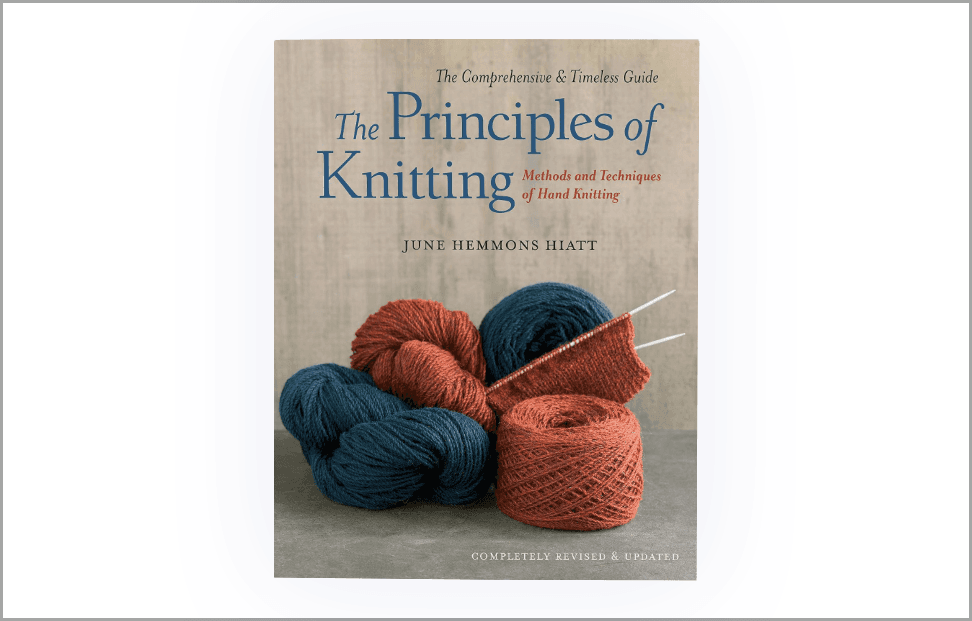
What it’s about: The Principles of Knitting is an encyclopaedic reference to all things knitting. If you need to know anything about the craft, you are likely going to find it in the pages of this book.
Why we love it: Often referred to as the most comprehensive knitting guide ever written, this book has cemented its place in the knitting hall of fame. Because of this, The Principles of Knitting will continue to maintain its popularity, especially in our office.
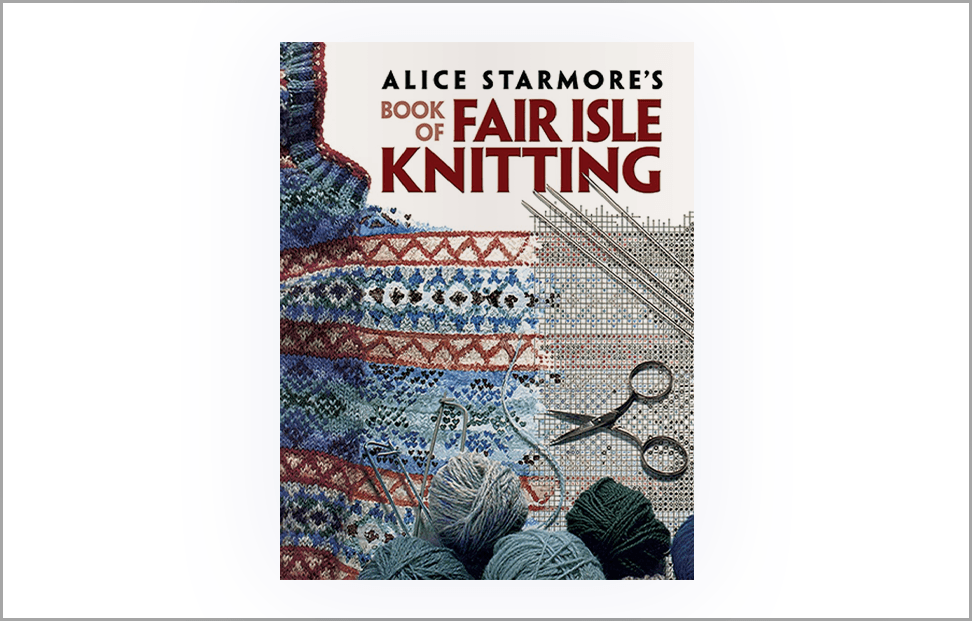
What it’s about: Alice Starmore’s Book of Fair Isle Knitting is a beautifully illustrated deep dive into the unique Fair Isle knitting technique and the history of the remote Scottish island that it came from.
Why we love it: The reason we love this book lies not only in the fact that it is a masterclass on how to perfect the Fair Isle knitting technique, but it also gives the little Scottish island itself the attention it deserves. This book is often out of print and in high demand.
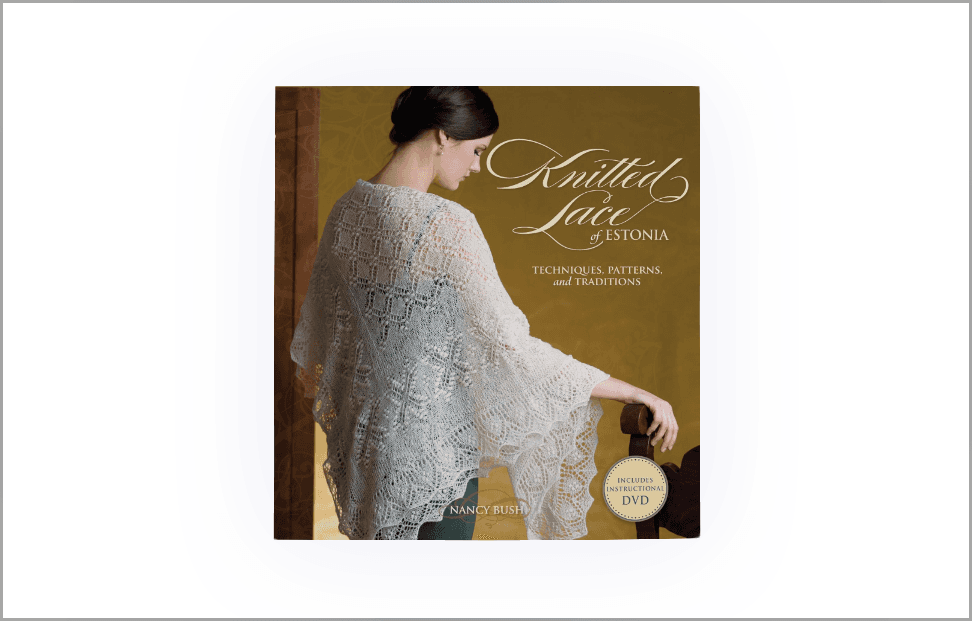
What it’s about: This book explores the intricate techniques used to make Estonian knitted lace. The book blends practical guides with in-depth historical context to create a comprehensive guide on this globally recognised knitting style.
Why we love it: The thing that we love the most about this book is the significance it places on the cultural influences that shape Estonian knitted lace.
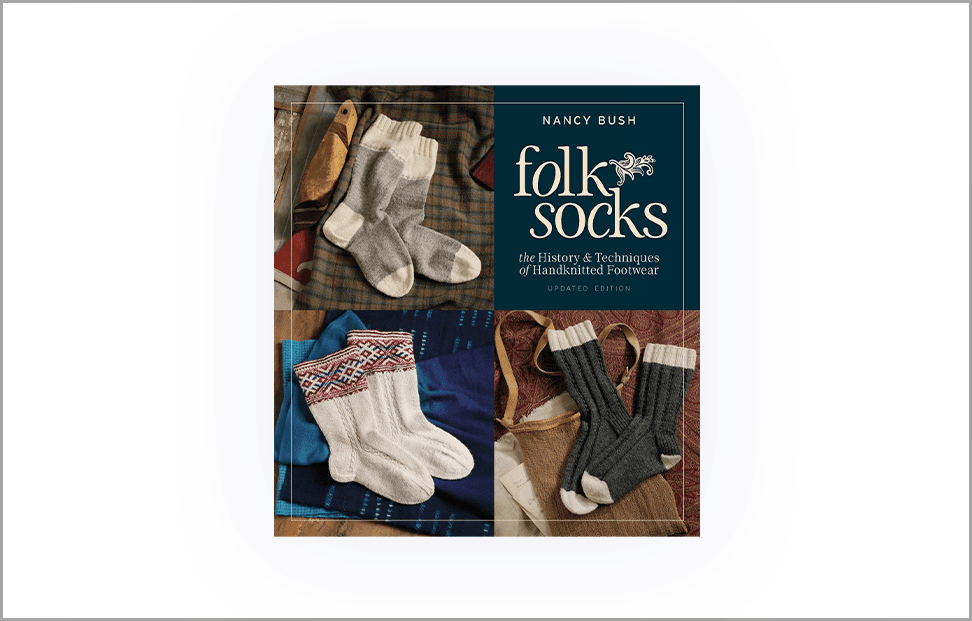
What it’s about: If you are looking to put your knitting skills to work, making some warm winter socks, but you don’t just want a boring old pattern, then Folk Socks is the perfect book to help you add some colour and vibrance to your socks.
Why we love it: The vibrance and sheer creativity in this book were enough to win us over, packed with a host of different designs to enhance your knitting skills that you can quite easily transfer to all your knitting projects. This book is an instant winner.
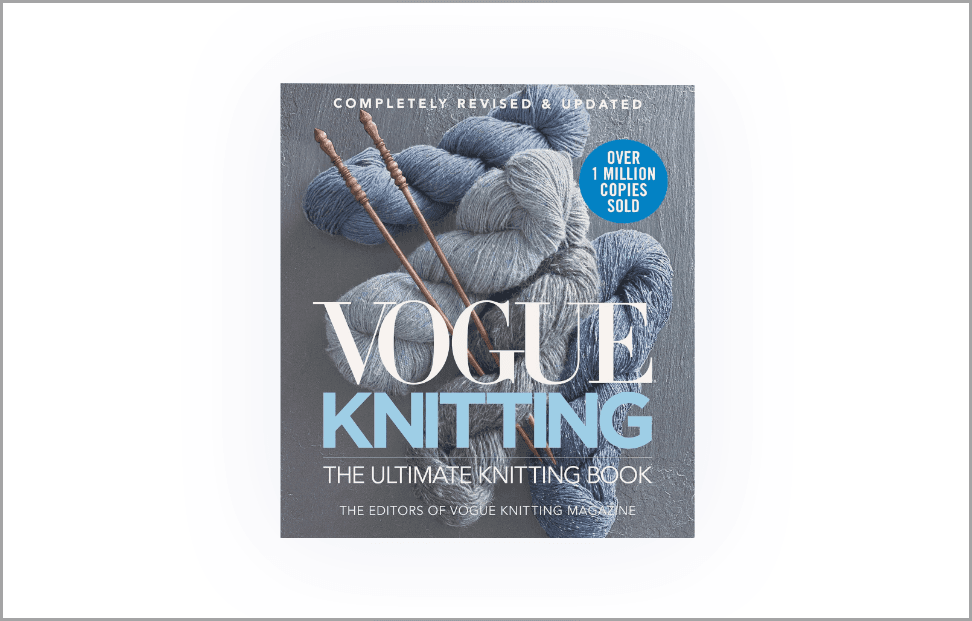
What it’s about: Anyone who's anyone in the world of knitting regularly picks up a copy of Vogue Knitting magazine, and Vogue Knitting: The Ultimate Knitting Book comes directly from the editors of that magazine, so it's packed with a range of tried and tested techniques, tools, and patterns for you to try out.
Why we love it: You just can’t deny the expertise that has gone into the making of this book, making it, in our opinion, a must-read for anyone, regardless of knitting experience.
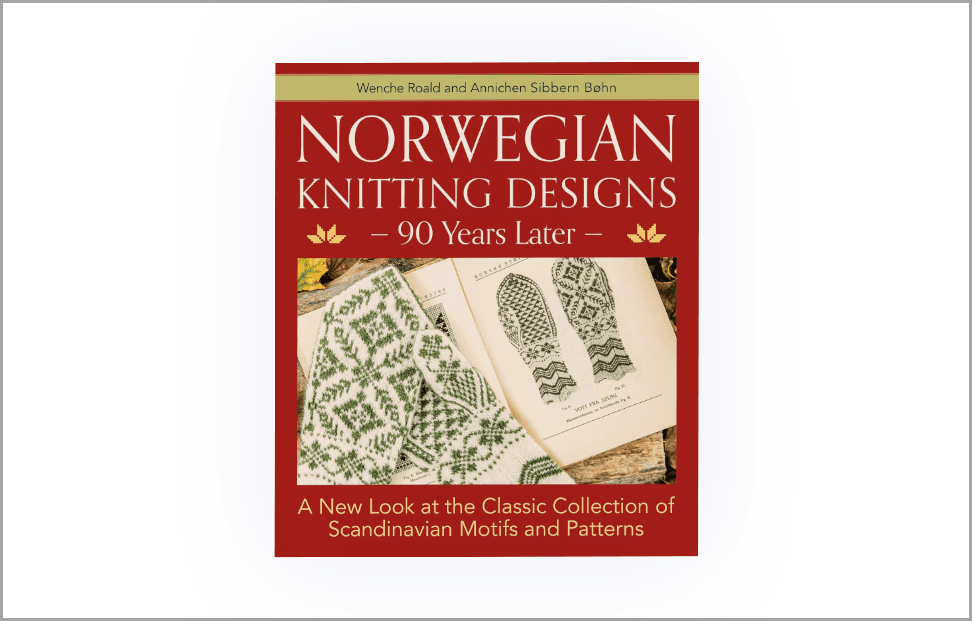
What it’s about: This is a modern revival and reinterpretation of the classic Scandinavian designs that were originally published at the beginning of the last century. As well as including the original designs, it also includes all the relevant updates and modifications that have brought the style into the modern age.
Why we love it: In the office, we have a bit of an obsession with Nordic knitwear, so, as you can imagine, we got a little excited reading Norwegian Knitting Designs, and even though we are only novice knitters, we were eager to get to work knitting our first Norwegian jumpers.
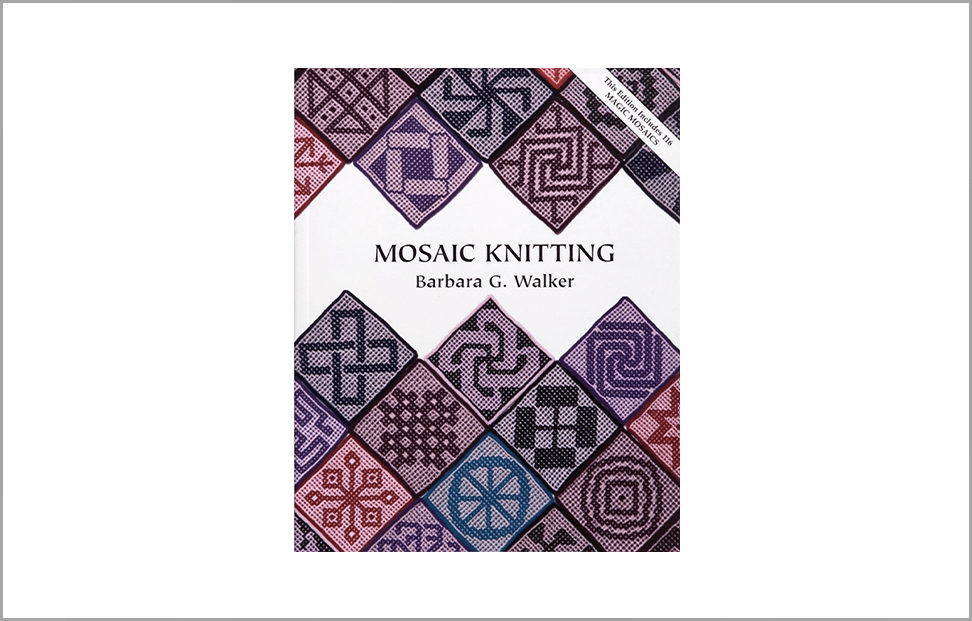
What it’s about: If you are into your simple knitting techniques, then Mosaic Knitting is for you. Utilising simple techniques like slip stitching, this book allows you to create a whole new range of complex patterns.
Why we love it: With its plethora of swatches and motifs, it’s hard to beat the utility of this knitting book. Regardless of your skill level, and in our case, it’s pretty low, Barbara Walker’s Mosaic Knitting allows you to experiment with designs that might usually be the territory of only the most experienced knitters.
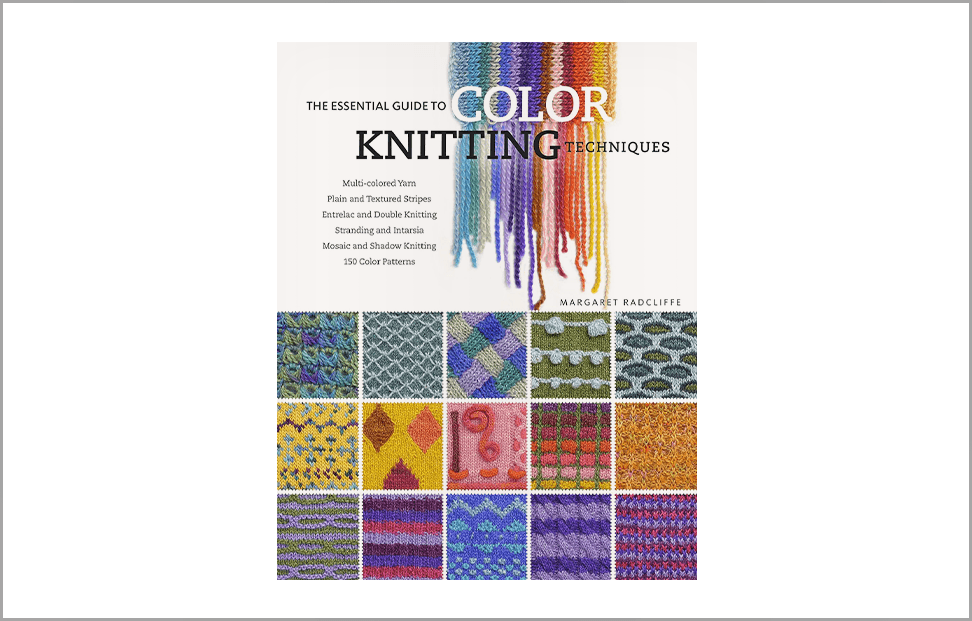
What it’s about: This book does exactly what it says on the tin, it provides a thorough guide on how to use different colours in your knitting. No longer will balancing colours be an issue, as this book covers how to integrate different colours into all of your knitting with ease, from the basic stripes to complex patterns.
Why we love it: Being relatively fresh to knitting, we loved how easy it was to follow this book; every single guide in this book is simple and provides a comprehensive explanation of each step in the process, making it an absolute lifesaver, especially for us inexperienced knitters.
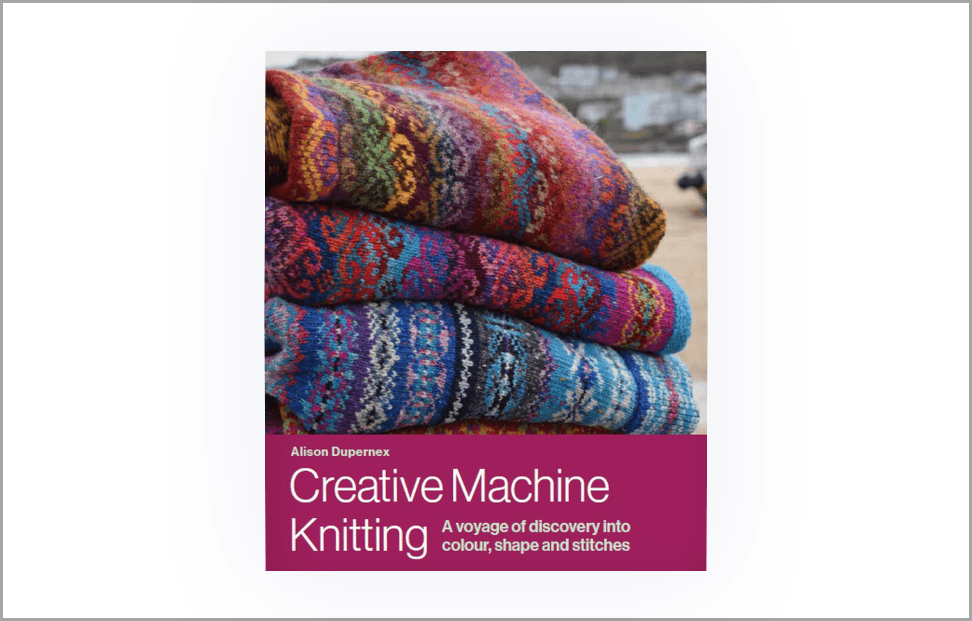
What it’s about: This book takes a slightly different approach to knitting, focusing on knitting machines and how you can use them to create visually striking and wearable textiles.
Why we love it: Books focusing on knitting with a machine are much rarer than those that focus on knitting by hand, yet, regardless of the lack of love machine knitting gets, this book provides expert guidance on how to make the most out of the domestic knitting machine.
Knitting books hold their value surprisingly well; much like other guidebooks and manuals, their persistent usefulness means they remain relevant and re-readable for years, so as you can imagine, for a book that is going to be used over and over again in the pursuit of the perfect garter stitch, it is likely to maintain its second-hand value.
Whether you have learned everything there is to learn from your knitting books or you want to clear out some space, selling your knitting books is a great solution. So, what is the best way to sell them? Simply by clicking the “Sell My Items” button at the top of this page, you can start turning your old books into cash in a matter of minutes. Alternatively, you can click the “Get The App” button to download the app and start scanning all your old books in seconds.
Even if you don’t want to sell your knitting books right now, you can scan them in or enter the ISBN into the search bar to see how much they are worth.
While you are here, why not check out some of our other content, discover how you can identify a first edition copy of your knitting books, or you could even find the perfect playlist for the next time you pick up your knitting book and needles.
Our entire catalogue of useful literature content is at your fingertips.
Would you like to continue the conversation? Share this post!





 How It Works
 How It Works
 Get 10% Extra