Last year, our customers made an average of £24.94*selling their books to us.
Sell My Books
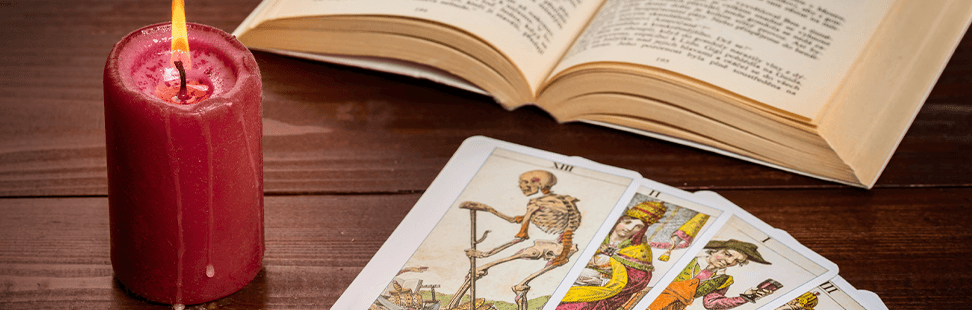
Humankind has always been fascinated by the idea of predicting the future, whether through a deck of cards, the alignment of the stars, or some other mystical portent. Fortune-telling has always been more than a simple glimpse into what lies ahead; it has served as a window into the human soul, offering insight into people’s desires, emotions, and behaviours. From the legendary oracles that influenced the decisions of entire empires to the backstreet tarot readers of the late 19th century, fortune tellers have consistently turned to the written word to record their craft.
Books occupy a special place in the history of fortune-telling. They have long been the bearers of knowledge, knowledge that has travelled across continents and touched the lives of millions over thousands of years. For collectors, these books represent more than mere curiosities; they are the very tools through which the art of fortune-telling has been practised and preserved.
From divination to astrology, fortune-telling takes many forms. In this article, we will explore what fortune-telling is today, how it has evolved throughout history, and the books that have played a vital role in keeping these traditions alive. So, grab a cup of tea and make yourself comfortable as we dive in.
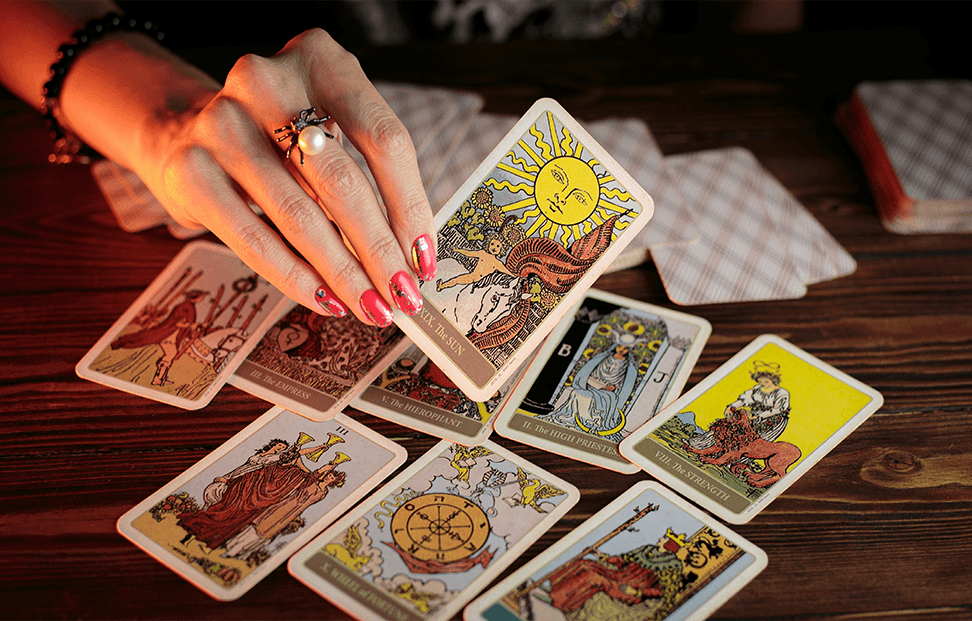
The history of fortune-telling spans millennia and is woven into the fabric of human civilisation. Long before books existed, people looked to the stars for guidance, believing those distant cosmic bodies could help them navigate life’s challenges. In Ancient Mesopotamia, priests studied the heavens and interpreted signs from their gods. In Ancient Egypt, Dream Books were used to record and translate the dreams of influential figures into divine messages. Centuries later, the Greeks sought counsel from oracles who delivered cryptic prophecies, shaping decisions that could alter nations.
The Middle Ages saw a boom in fortune-telling practices, many of which were finally being written down. Books documenting rituals, symbols, and prophecies began to appear across Europe. This shift to written preservation allowed traditions such as palmistry, numerology, and geomancy to spread far and wide, even though many practices continued to circulate in secret due to religious restrictions.
The Renaissance ushered in a renewed interest in esoteric knowledge. Alchemy, astrology, and occult philosophy flourished, prompting prominent thinkers like Cornelius Agrippa to publish works that would later inspire countless divination manuals.
By the late 19th and early 20th centuries, fortune-telling had reached the masses. Spiritualism, tarot reading, and psychic studies gained popularity, while advancements in printing technology led to an explosion of manuals, guides, and handbooks, many of which have become highly collectable.
Today, global fascination with fortune-telling remains strong. Modern technology has made these practices more accessible than ever, yet new, vintage, and antique fortune-telling books continue to hold a special place among collectors and practitioners alike.
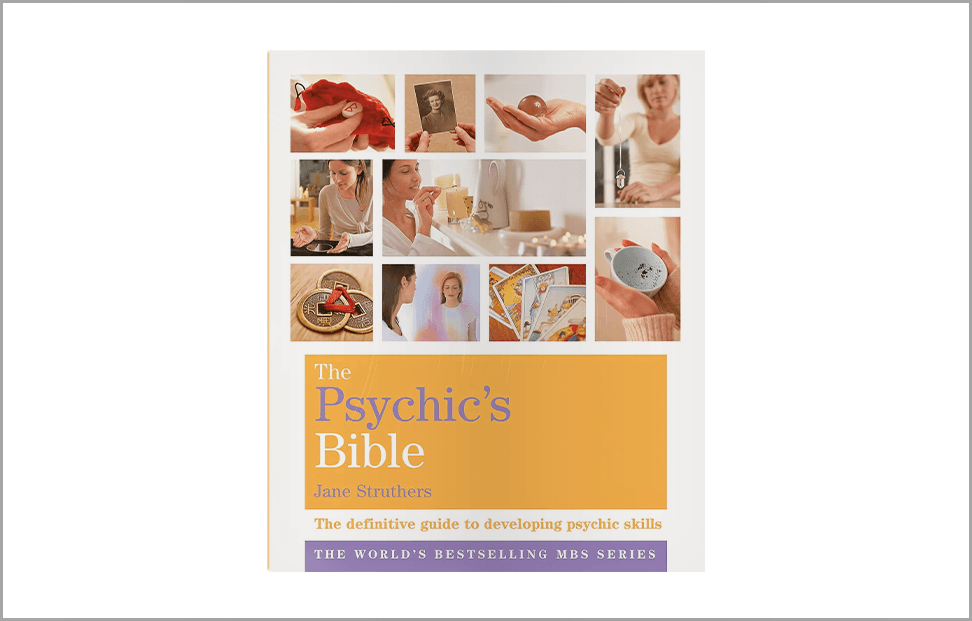
Author: Jane Struthers
Who it’s for: Modern spiritualists, beginner psychics, holistic healers
What it’s about: Published in 2007, The Psychic Bible is an all-in-one handbook covering aura reading, energy work, tarot, crystals, astrology, and a wide range of divination techniques. Filled with tutorials and simple exercises, it’s ideal for beginners looking to dip their toes into the world of fortune-telling.
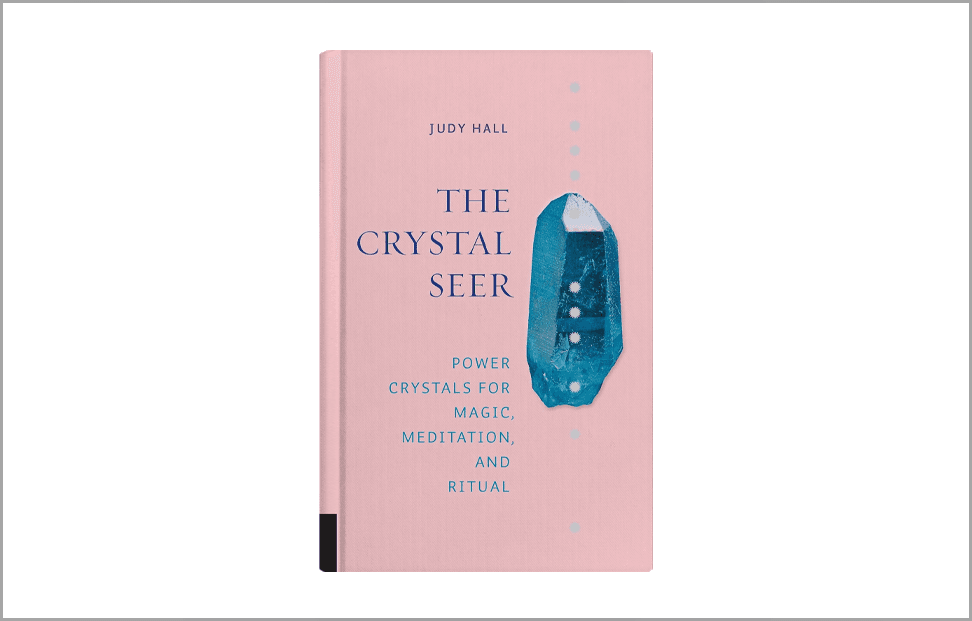
Author: Judy Hall
Who it’s for: Spiritual and New Age readers; crystal collectors
What it’s about: Written by the author of The Crystal Bible, The Crystal Seer guides readers through the practices of scrying and divination using crystals. Blending traditional lore with modern metaphysical insight, it’s a must-have for anyone working with crystal energy.
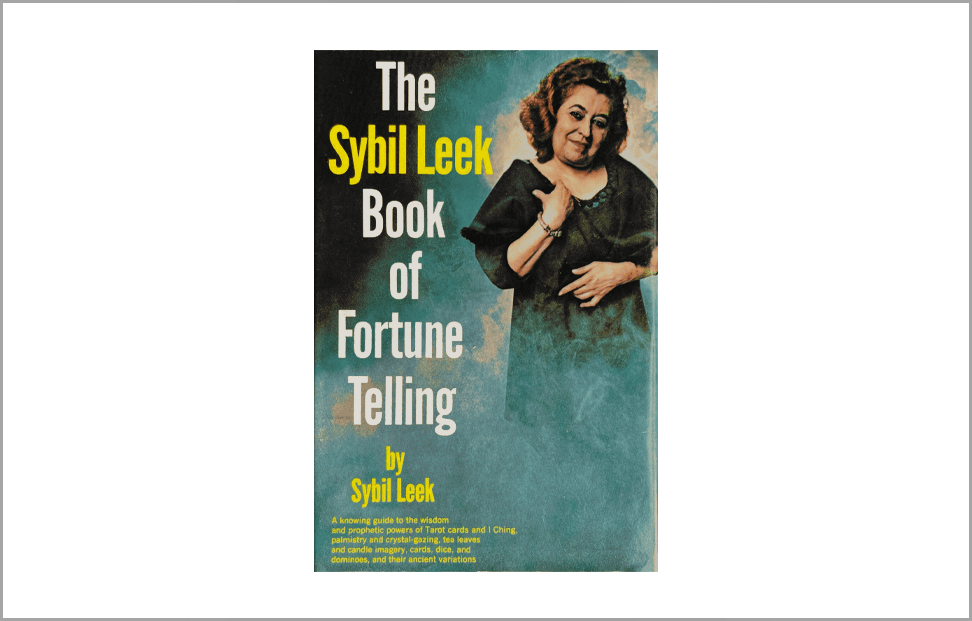
Author: Sybil Leek
Who it’s for: Readers interested in mid-century divination methods
What it’s about: This classic compiles a range of fortune-telling techniques including palmistry, numerology, dream interpretation, and more, providing a diverse and comprehensive snapshot of divination practices as they were understood in the mid-1900s.
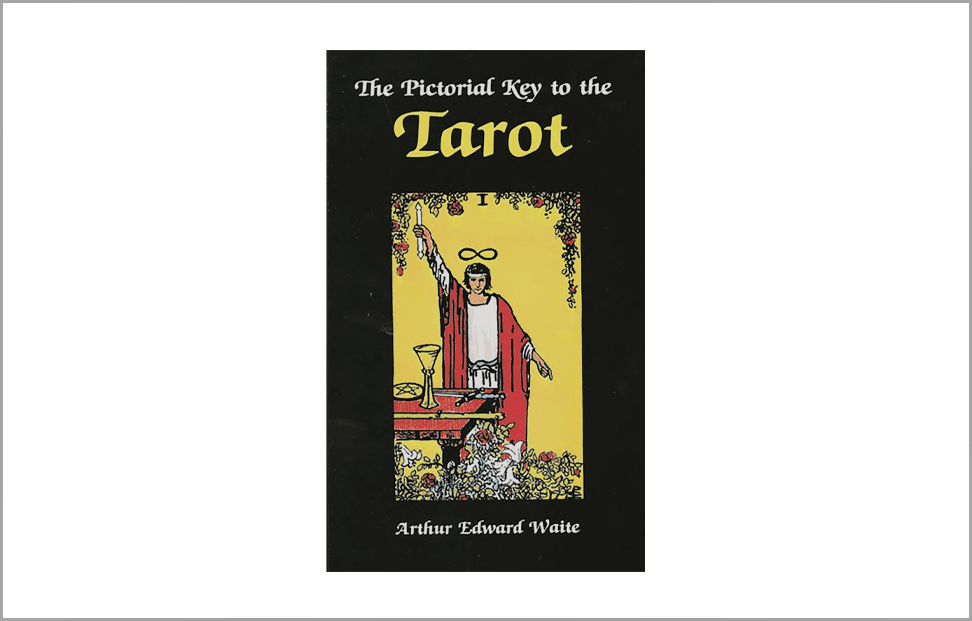
Author: A. E. Waite
Who it’s for: Tarot enthusiasts and Rider–Waite deck users
What it’s about: Designed to accompany the iconic Rider–Waite tarot deck, this guide helps readers understand the meaning of each card in depth, enabling more accurate and intuitive readings. If you’re ready to peer into the soul of your querent, this is the book to take you there.
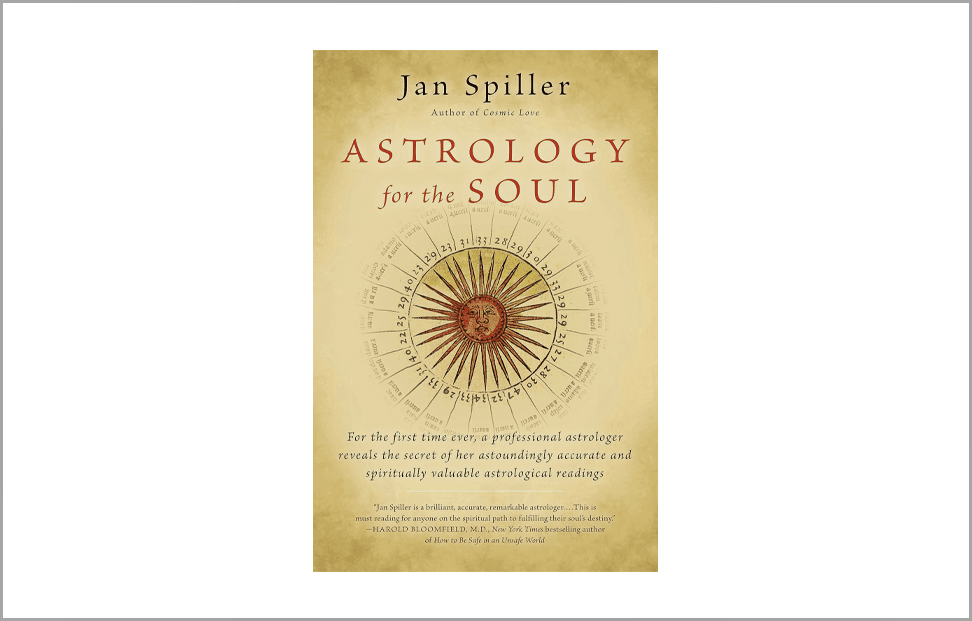
Author: Jan Spiller
Who it’s for: Astrology students and self-development seekers
What it’s about: A powerful tool for understanding personality and life purpose, this book combines astrology with psychological insight. Spiller focuses on the Moon’s North and South Nodes, offering a practical path towards self-discovery.
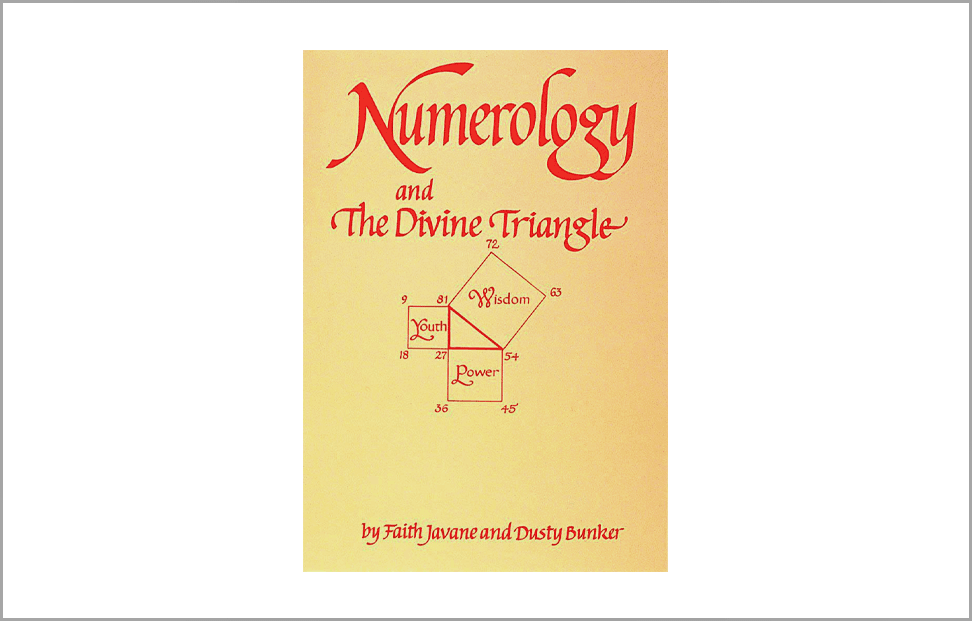
Author: Faith Javane & Dusty Bunker
Who it’s for: Numerology enthusiasts and spiritual theorists
What it’s about: This intriguing book explores the spiritual geometry believed to underpin human life and the numerical forces that connect everything. A foundational text for anyone wanting to understand numerology at a deeper level.
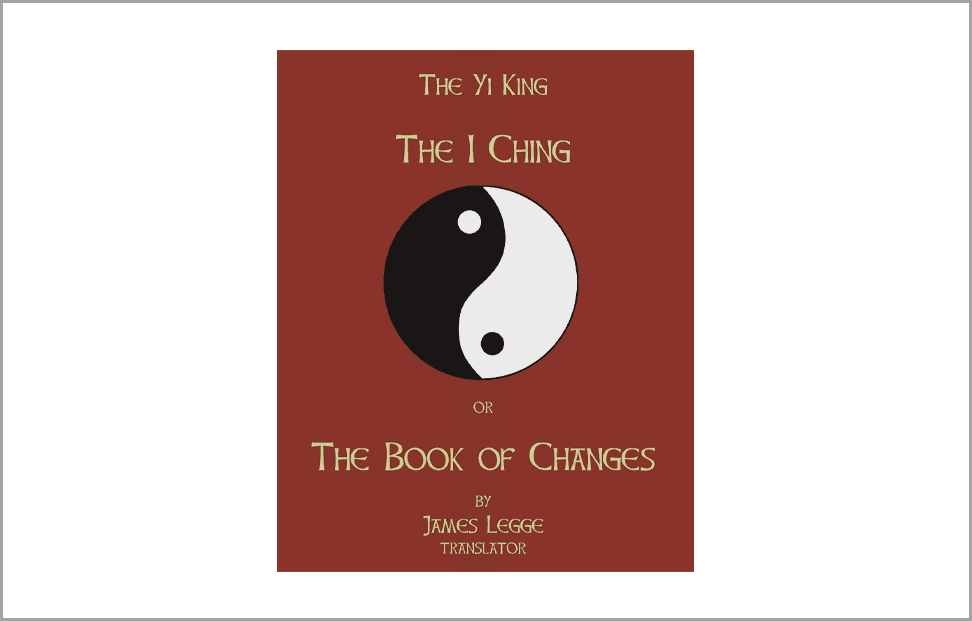
Translator: Richard Wilhelm
Who it’s for:** Students of Eastern philosophy and traditional divination
What it’s about: One of the world’s oldest divination systems, the I Ching uses 64 hexagrams revealed through casting coins or yarrow sticks. This translation includes profound commentary by Carl Jung, bridging Eastern and Western spiritual traditions and offering readers symbolic guidance for life’s questions.
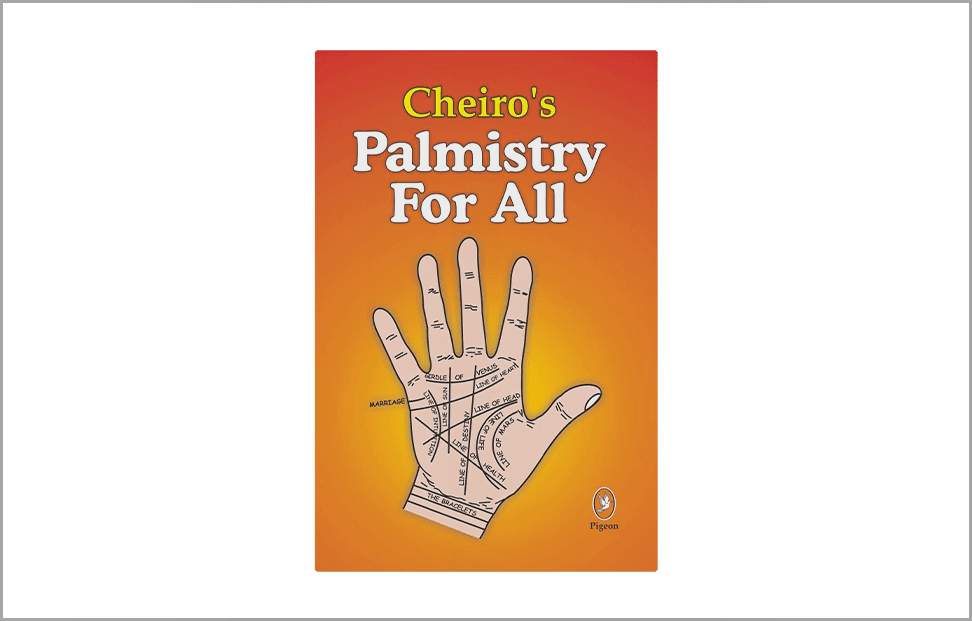
Author: Cheiro (William John Warner)
Who it’s for: Beginners and palmistry enthusiasts
What it’s about: Cheiro’s classic text provides an accessible and engaging introduction to the art of palmistry. Offering both history and practical instruction, it helps readers understand how the lines of the hand relate to personality, love, and destiny.
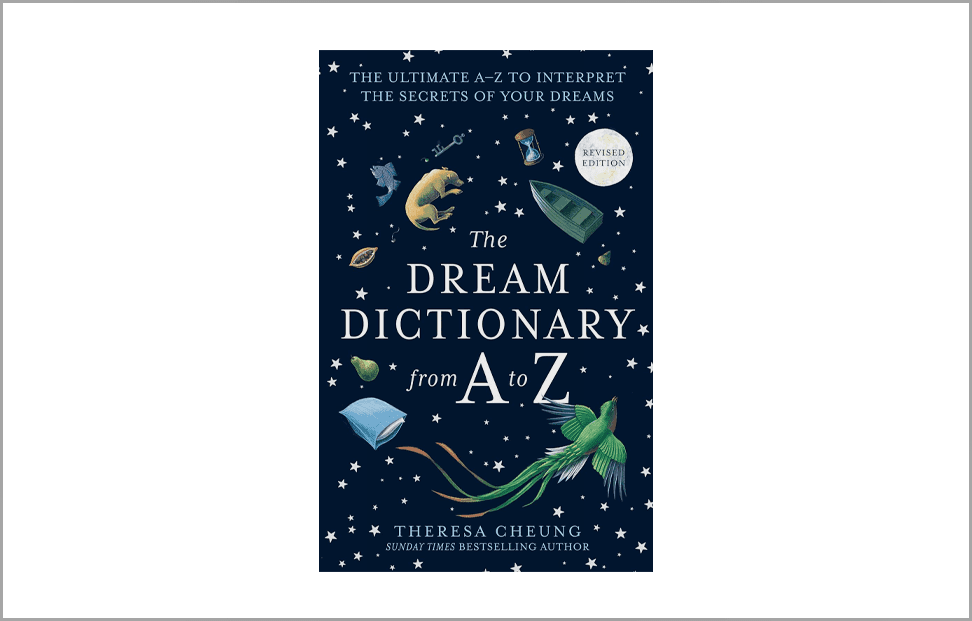
Author: Theresa Cheung
Who it’s for: Fans of light, fun divination
What it’s about: Have you ever had a weird dream and wondered what it meant? With The Dream Dictionary, you can finally understand what your twilight visions mean, and what they could even tell you about things to come. From the places you visit in your sleep to the symbols that appear in your nightmares, this book can help you understand everything there is to know about your own sleepy thoughts.
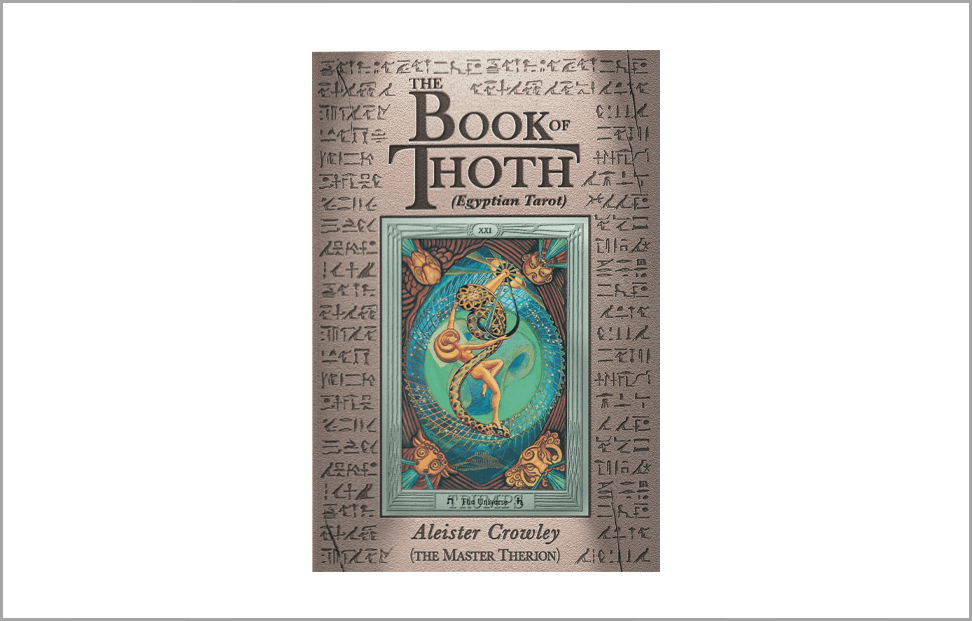
Author: Aleister Crowley
Who it’s for: Advanced tarot readers and occult scholars
What it’s about: Crowley’s Book of Thoth is the definitive guide to his Thoth Tarot deck, created with artist Lady Frieda Harris. Unlike standard tarot guides, this work serves as a symbolic map of the universe, drawing on Thelema, Qabalah, astrology, Egyptian mythology, and ceremonial magick.
When we began researching this article, we were admittedly a little sceptical. But as we delved deeper into the literature, it became clear just how profoundly fortune-telling has shaped cultures across the world.
Whether you’re an aspiring fortune teller or simply curious about what might lie beyond the veil, any of the books on this list is a fantastic place to start.
And once you’ve finished reading, you can always sell your fortune-telling books to WeBuyBooks and earn some of your money back, why not?
Would you like to continue the conversation? Share this post!





 How It Works
 How It Works
 Get 10% Extra