Last year, our customers made an average of £24.94*selling their books to us.
Sell My Books

If you’re thinking about selling your books, it really does pay to know what edition your book is, sometimes literally. The edition of a book can have a big impact on its value. In most cases, a first edition book will be more desirable than later editions because it represents the book’s original print run.
First editions are often harder to find, especially if fewer copies were printed to begin with. Less supply usually means more demand, which is why rare books can be worth more money. That said, later editions, early editions, and even special edition books can still be valuable, so it’s always worth checking before you decide what to do with them.
You might assume that finding the edition number of a book is straightforward, but it can be more complicated than you first think. Publishers use different systems, and some details are easy to miss. Below, we’ll walk you through simple, reliable ways to find the edition of a book, even if you’re not a collector and how to spot first editions and early editions along the way.
A first edition book is the earliest published version of a title, produced during the book’s initial print run by a specific publisher. In simple terms, if your book comes from the first time that the publisher ever printed it, you may have a first edition.
However, this can get confusing. If a book later moves to a different publisher, the edition count can reset. This means a book might say “First Edition” but still not be the original first edition collectors are looking for. We’ll explain how to spot this below.
If you want a fast answer, start here.
A book is likely a first edition if:
If one or more of these don’t apply, your book may be a later edition or reprint, but it could still be worth something.
In most cases, you’ll find edition information inside the book itself. Start with these checks.
The copyright page is usually found on the reverse of the title page, near the front of the book. This page contains legal and publication details and is the best place to start.
Sometimes, the publisher will clearly state the edition, such as “First Edition” or “Second Edition”, alongside the publication date. However, not all publishers make this obvious. If no edition is listed, don’t worry, there are other ways to work it out.
If a book has been published by more than one publisher over time, the edition count may reset. This can make a book appear to be a first edition when it’s actually a later reprint by a new publisher.
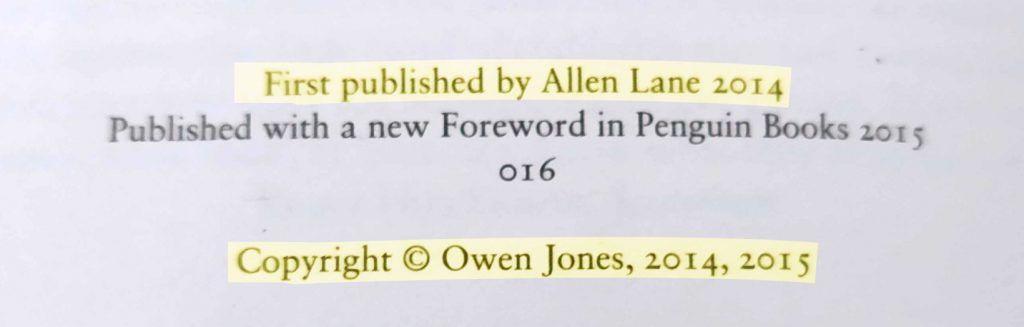
Open your book up and look at the back of the title page, you’ll see some information about copyright. On this copyright page, look for wording such as “Copyright ©” followed by a year. You may also see a publication date. If the copyright date and publication date match, this can indicate an early or first edition If the dates differ, the book is likely a later edition or reprint
Important: Some books list multiple copyright dates. Always use the most recent copyright date when comparing, as earlier dates often relate to previous editions.
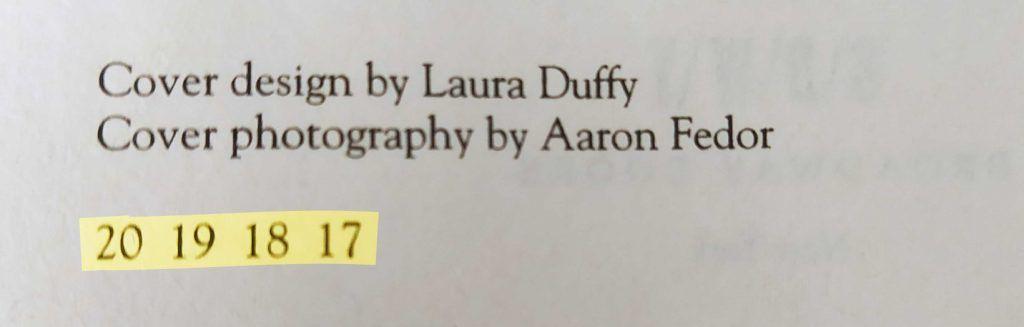
If you look at the printing or copyright page, many books include a number line. This shows how many times the book has been printed.
Sometimes the numbers are in order, and sometimes they won’t be, but the rule stays the same, the lowest number tells you the print run.
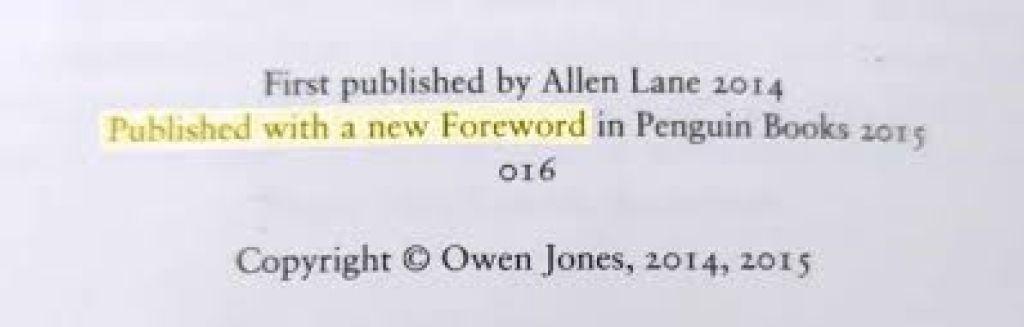
Editions usually change when content is updated or expanded. This is especially common in non-fiction books. If your book mentions “newly revised”, “expanded edition”, or “additional chapters”, it’s likely a later or early edition rather than a first.
Book club edition is produced for the specific use of, you guessed it, book clubs. Book club editions are reprints, so they usually aren’t worth much, but it’s worth researching.
You can usually spot them because:
These copies are generally worth less, but it’s still worth checking if you’re unsure.
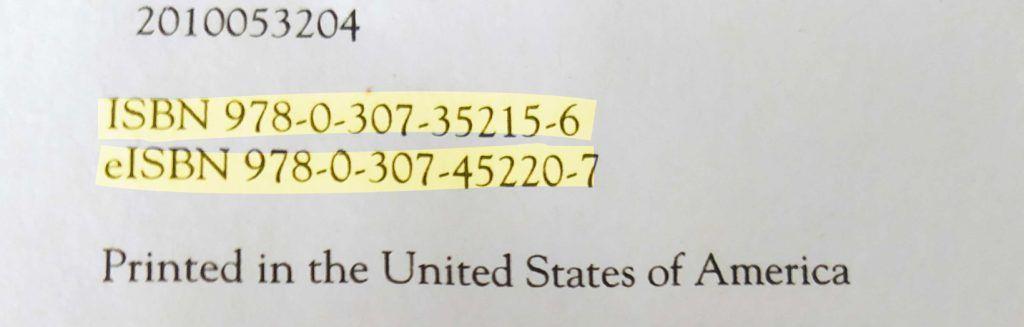
An ISBN (International Standard Book Number) is a ten or thirteen-digit, unique number used to identify a specific version of a book.
You can usually find it:
Important to know: Different formats (hardback, paperback, special edition books) often have different ISBNs. Searching the ISBN online can help you confirm whether your copy is a standard edition, limited edition, or special release. Not sure how to find the ISBN? Check out our guide detailing how to find an ISBN of a book.
“Early edition” usually refers to early printings of the same edition, rather than a true first edition. While they don’t carry the same value as first editions, they can still be desirable, especially for popular or collectable titles.
Special edition books may include:
These books often have unique ISBNs and publisher details, so it’s always worth checking carefully.
We’re always up for helping you determine what edition your book is, so if you’re still confused and need assistance, get in touch with our team, and we’ll help you.
Selling books with us is a quick and easy way to declutter your bookshelves and make some extra cash! Just follow the simple steps below:
Or, if you have a rare book, including first editions, get in touch with our team for a bespoke price!
Would you like to continue the conversation? Share this post!





 How It Works
 How It Works
 Get 10% Extra