Last year, our customers made an average of £24.94*selling their books to us.
Sell My Books
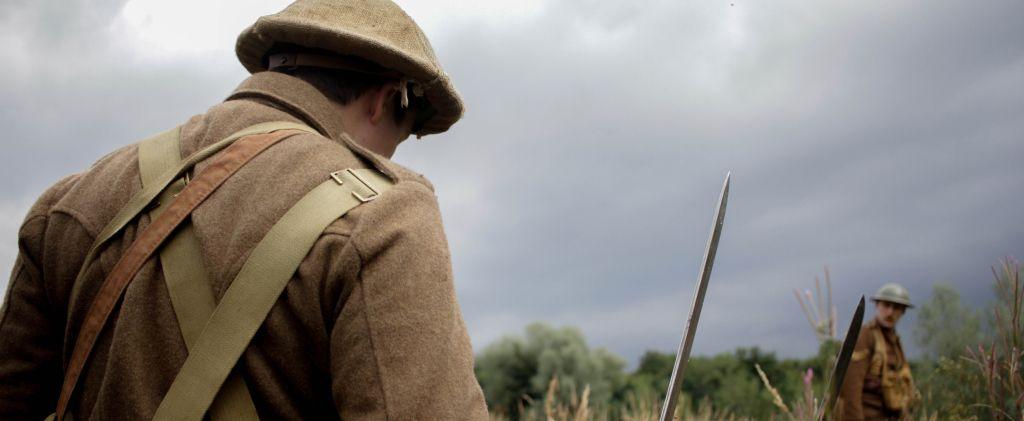
This month’s theme at WeBuyBooks has taken us deep into the trenches, literally. Our team have been reading (and in some cases re-reading) some of the best WW1 books out there, from literary fiction to battlefield memoirs. And let us tell you: few reading months have sparked this many emotional reactions and conversations.
We’ve pulled together 20 standout World War 1 books - a mix of fiction and non-fiction - that we think every history lover should have on their shelf. Some are modern classics, others lesser-known gems, but all of them shed light on the horror, hope, and humanity of the First World War.
Whether you’re after WW1 fiction books that tug at the heart or good books about WW1 that unpack the facts, we’ve got you covered. Here are our top 20 books about World War 1…
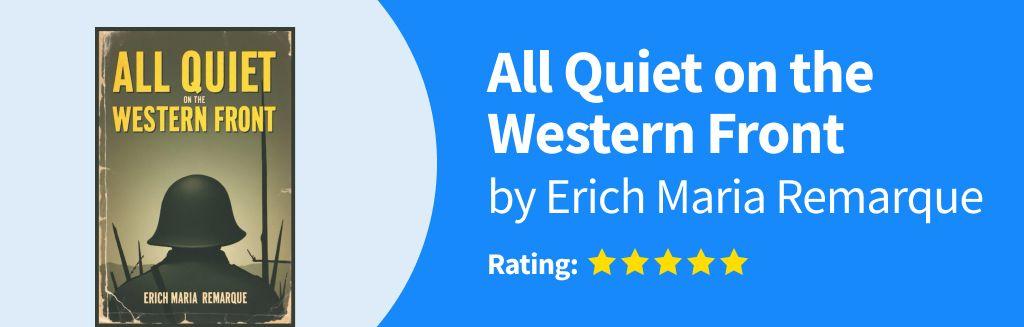
Genre: Fiction
What it’s about: Set during the First World War and told through the eyes of Paul Bäumer, a young German soldier, All Quiet on the Western Front offers an unflinching account of life on the front lines. Paul enlists with his school friends, full of patriotism and youthful enthusiasm, only to face the grim reality of trench warfare, where death is constant, hope is fleeting, and the gap between the front and civilian life grows painfully wide. As Paul witnesses his comrades fall one by one, he grapples with the psychological and physical toll of war, ultimately losing his sense of self and purpose.
Why we love it: This book came up again and again in team discussions. It’s bleak, yes, but deeply human. It strips away any illusion of glory and instead focuses on the mundane, often horrifying details of daily survival.
What stuck with us most weren’t just the battles, but the silences between them - the scenes of friendship, fear, and quiet desperation. Remarque captures the futility of war so powerfully that even today, the book feels urgent. Whether you’re just starting your journey into World War 1 books or you’ve read plenty already, this remains a must-read.
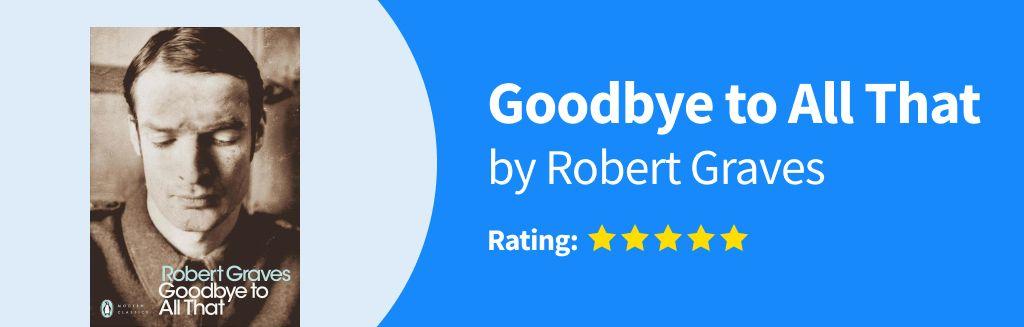
Genre: Non-Fiction / Memoir
What it’s about: This is the candid memoir of Robert Graves, poet, soldier, and one of the most distinctive voices of the First World War generation. The book covers his upbringing, his experiences as a junior officer in the trenches, and the personal aftermath of the war. It’s not just a war story, it’s also a portrait of a generation forced to grow up too quickly, navigating trauma, disillusionment, and a changing world.
Why we love it: Graves doesn’t sugarcoat anything. His tone shifts between darkly humorous and starkly reflective, which makes it feel unusually honest. It’s the kind of book that stays with you - not just because of what he saw, but because of how sharply he writes about it. One of the most distinctive non-fiction World War 1 books we've read!
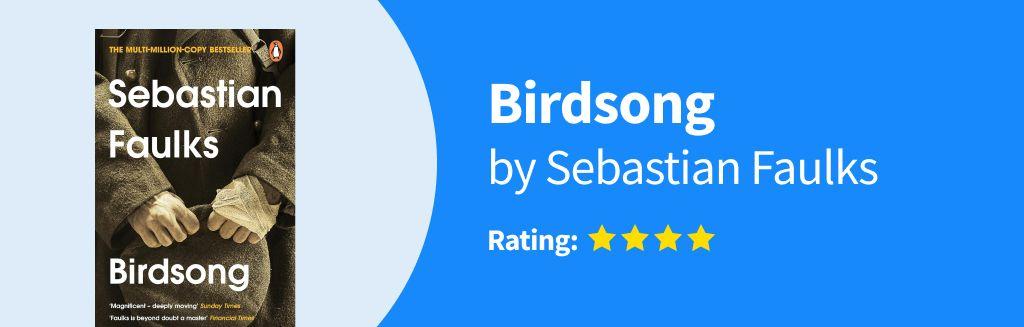
Genre: Fiction
What it’s about: Spanning decades and generations, Birdsong follows Stephen Wraysford, a British officer stationed in France during the First World War, and interweaves his life before, during, and long after the conflict. The novel explores the emotional cost of war, the bonds between soldiers, and how those experiences ripple through time.
Why we love it: This one sparked a lot of conversation among the team, especially about how Faulks blends personal relationships with wider historical context. It’s dramatic, heartfelt, and filled with tension. For readers who want WW1 fiction books that go beyond the battlefield and look at memory, love, and legacy, this one delivers.
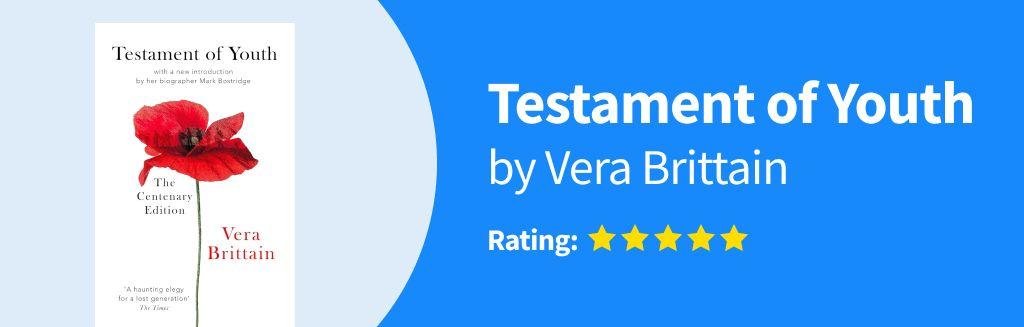
Genre: Non-Fiction / Memoir
What it’s about: Vera Brittain was a young woman with plans for university and a literary career when war broke out. Instead, she volunteered as a nurse and experienced the war’s devastation firsthand, both on the frontlines and through personal loss. Testament of Youth is her record of that time: a memoir of hope interrupted, duty undertaken, and the cost of a war that shaped an entire generation.
Why we love it: Brittain writes with clarity and compassion. Her voice is both deeply personal and universally resonant. For those interested in books about WW1 from a female perspective, this is essential reading. It’s not just a story of war - it’s a story of resilience, loss, and what comes after.
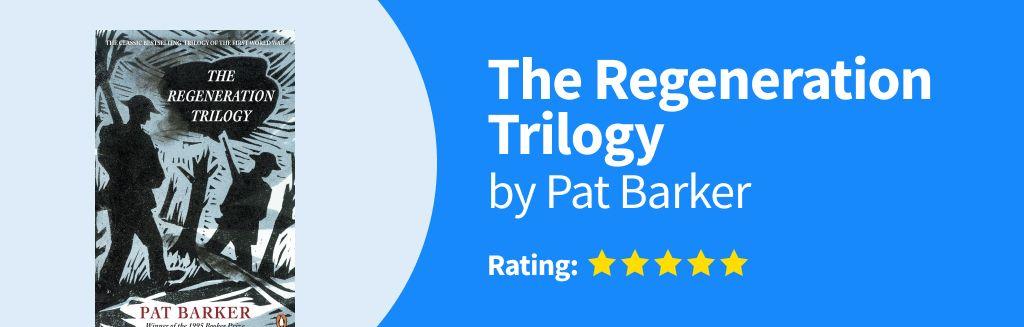
Genre: Fiction (Historical / Psychological)
What it’s about: Set in a military hospital during WW1, the first book (Regeneration) centres on psychiatrist Dr. William Rivers and the soldiers he treats, including real historical figures like Siegfried Sassoon. Across the trilogy, Barker explores shell shock, masculinity, and the impact of war on the mind and body.
Why we love it: This trilogy has real depth. Barker writes about trauma with empathy, intelligence, and historical insight. We were impressed by how seamlessly she blends fact with fiction, and how timely the themes still feel today. For readers interested in the psychological side of war, it’s one of the best WW1 books out there.
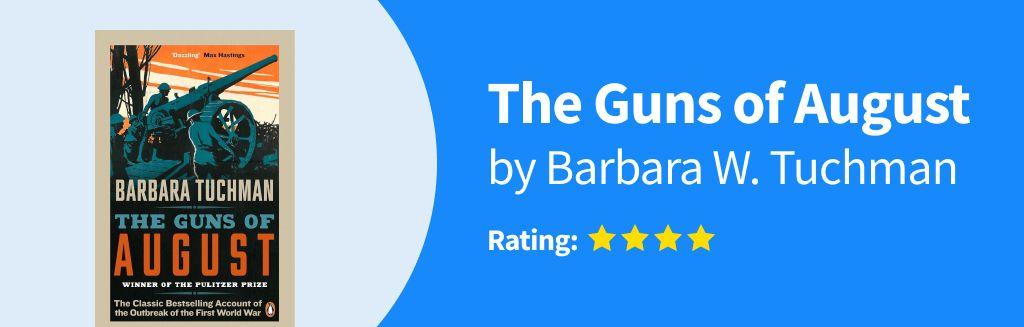
Genre: Non-Fiction / Military History
What it’s about: This Pulitzer Prize-winning work explores the complex web of decisions and miscommunications that led to the outbreak of World War 1. Tuchman follows the key players: monarchs, generals, and diplomats, through the political buildup and the chaotic early weeks of the war, showing how quickly a local conflict became a global catastrophe.
Why we love it: We’ll be honest, this one was a bit of a slow burn for a few of us, but once it got going, it completely changed how we thought about the build-up to WW1. Tuchman has a way of making huge political events feel like edge-of-your-seat drama. If you’ve ever wondered how things escalated so quickly in 1914, this book breaks it all down without ever feeling like a history lecture. A favourite for those of us who like the “why” just as much as the “what.”
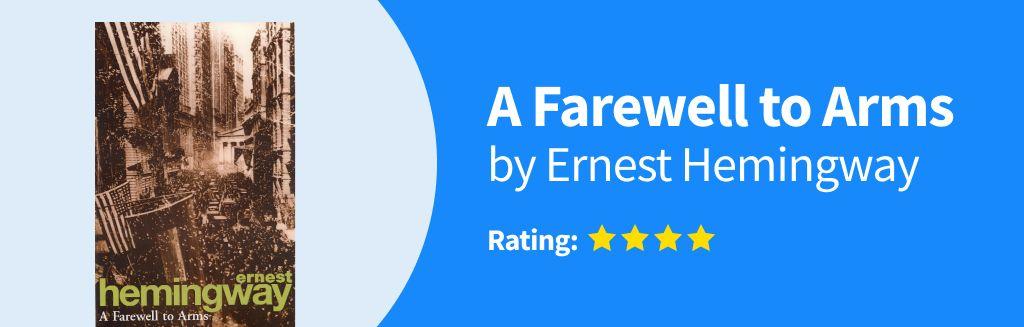
Genre: Fiction / Literary Romance
What it’s about: Set against the backdrop of the Italian front, this novel follows an American ambulance driver in the service of the Italian army and his relationship with a British nurse. The war looms over everything, shaping the characters, altering their choices, and constantly threatening to undo what little stability they find.
Why we love it: Hemingway’s famously stripped-back style isn’t for everyone, but we found ourselves coming back to certain lines days later. The emotional restraint, the sense of distance - it mirrors the war experience in a way that sneaks up on you. Some of us read this as a love story, others as an anti-war novel in disguise. Either way, it sparked a lot of debate. If you’re looking for a more introspective, literary take on WW1, this one’s a classic for a reason.
Genre: Non-Fiction / Social & Political History
What it’s about: This isn’t your usual top-down history of WW1. Instead, Hochschild focuses on the human stories, especially those who resisted the war or were caught in moral conflict. He explores the lives of generals, nurses, pacifists, and families torn apart by loyalty and conscience.
Why we love it: This one got passed around the office pretty quickly! Partly because it’s packed with lesser-told stories, but also because it’s so readable. We appreciated how Hochschild zooms in on individuals and families torn apart by war in a moral sense, not just a physical one. It reminded us that WW1 wasn’t just fought in trenches, it was fought at dinner tables, in courtrooms, and inside people’s heads. One of those World War 1 books that adds real depth to what we thought we already knew.
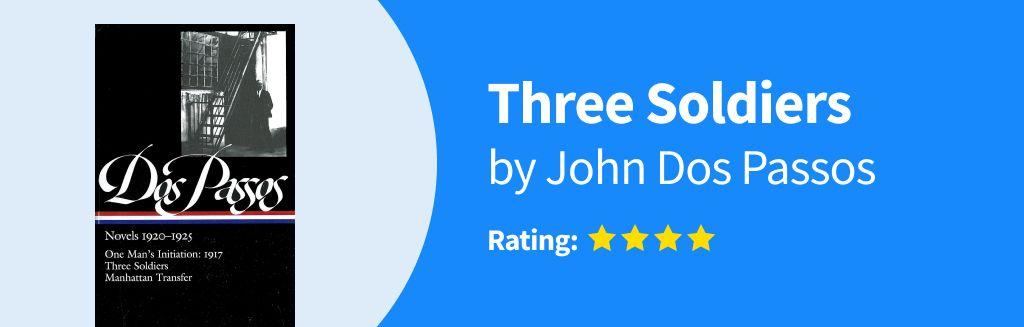
Genre: Fiction / American Literature
What it’s about: Published in 1921, this early American war novel follows three young men sent to fight in Europe, capturing their alienation, their anger, and their growing disillusionment with the military machine. It’s sharp, cynical, and intentionally unheroic.
Why we love it: We didn’t all know this one going in, but once someone on the team read it, they wouldn’t stop talking about it - in the best way. It’s a grittier, more experimental kind of war novel, and the cynicism really cuts through. It felt surprisingly modern for something published over a century ago. If you’ve already read the big-name WW1 novels and want something a little rougher around the edges, this is a hidden gem.
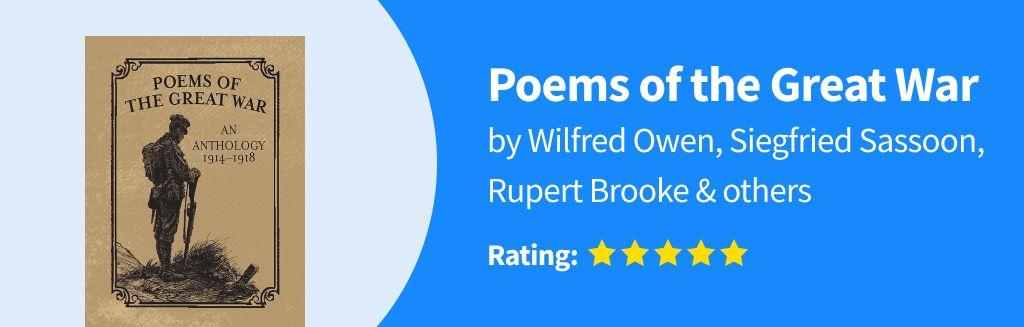
Genre: Poetry / Anthology
What it’s about: A powerful collection of poetry written during, and often from, the war itself. These poems give a voice to soldiers who experienced the horror and futility of the trenches firsthand. Themes of fear, honour, loss, and anger run through every line.
Why we love it: We couldn’t put this list together without mentioning the poetry. Some of us aren’t big poetry readers, but these verses hit differently - they feel immediate, personal, and impossible to forget. A few of us ended up reading them aloud in the office (quietly, don’t worry) just to feel the rhythm and rawness. It’s one of the most moving ways to understand the emotional reality of war, and a completely different experience from reading the history books.
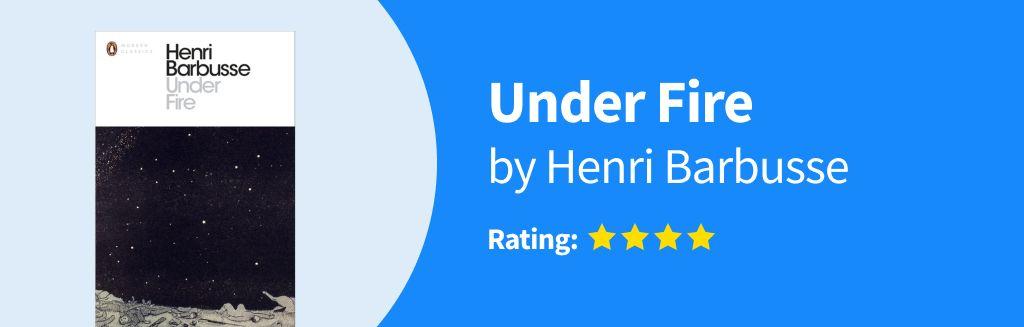
Genre: Fiction
What it’s about: Originally published in 1916, Under Fire offers a raw, close-up view of French soldiers on the Western Front. It’s based on Barbusse’s own experiences and is written in a gritty, fragmented style that captures the chaos of life in the trenches. There’s little in the way of plot; instead, it focuses on the everyday reality of war: mud, boredom, fear, and the constant proximity to death.
Why we love it: This one made a big impression on those of us who hadn’t read much from the French perspective. It’s not a feel-good read, but that’s kind of the point. It strips everything back and says: this is what war actually looks like. The structure is unusual, and the writing style took a bit of adjusting to, but we agreed it felt more real because of it. A powerful choice if you're after World War 1 books that don’t hold back.
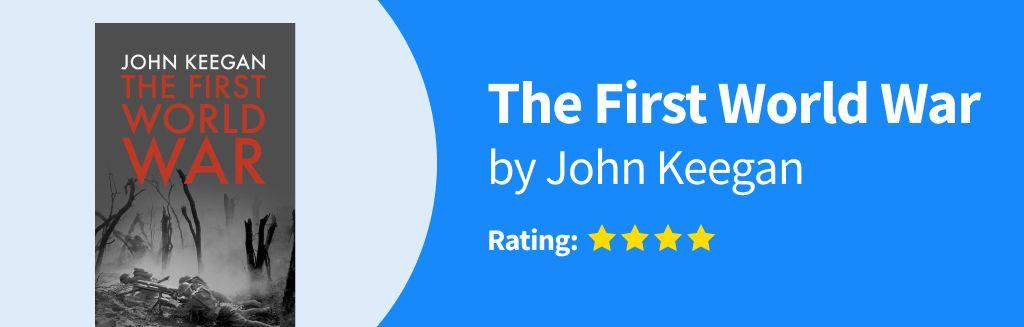
Genre: Non-Fiction / Military History
What it’s about: This is a big-picture look at WW1 from one of the most respected military historians of the 20th century. Keegan covers everything from the geopolitical triggers to the major battles and strategic shifts, all while trying to answer the question: how did this happen, and why was it so devastating?
Why we love it: We had this one on a few desks during the month and ended up using it like a reference book. Keegan doesn’t just list facts - he builds a picture. It’s especially great if you’re trying to link the political story with what was happening on the ground. A few team members said it helped them make sense of some of the novels on this list, too. It’s a solid anchor for anyone diving into good WW1 books from a more analytical point of view.
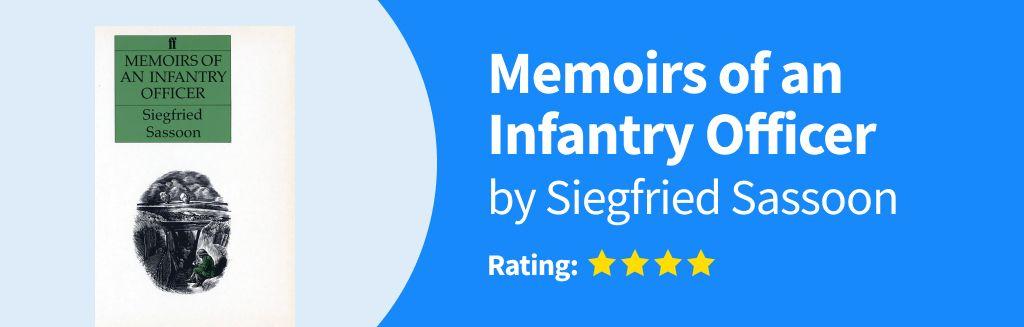
Genre: Fictionalised Memoir
What it’s about: Sassoon, a poet and soldier, fictionalises his own experiences in this sequel to Memoirs of a Fox-Hunting Man. The story follows George Sherston (his literary alter ego) as he enlists, trains, and eventually fights in France - all the while questioning the war, authority, and his own place in it.
Why we love it: You can feel Sassoon’s poetic voice in the prose; it’s restrained, but brimming with quiet rage. For those of us who’ve read his poetry, this book felt like a deeper dive into the same emotional territory. There’s something incredibly intimate about it. It’s one of the few books about WW1 that feels like it was written not to explain the war to others, but to make sense of it for himself.
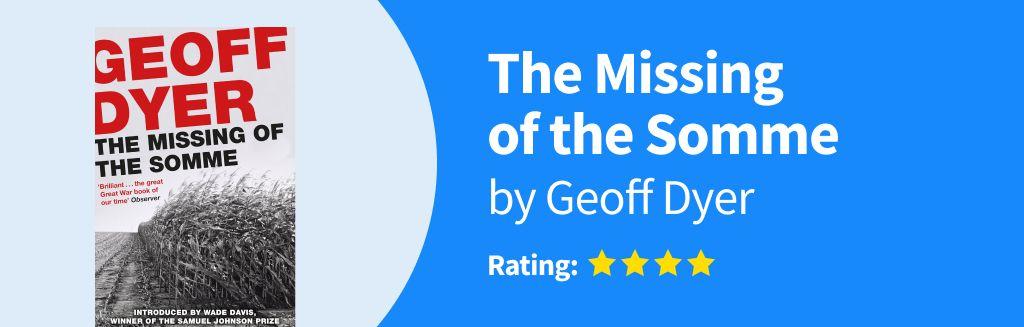
Genre: Non-Fiction / Essay / Cultural History
What it’s about: This isn’t a traditional war history. It’s part travelogue, part personal reflection, and part meditation on how WW1 is remembered. Dyer visits war memorials, reads the poetry, reflects on old photos and along the way, explores how the war shaped our collective memory.
Why we love it: It’s one of the most unique World War 1 books on our list. A few of us weren’t sure what to expect, but once you get into Dyer’s voice, it really pulls you in. It’s not about facts and battles, it’s about ghosts, remembrance, and the emotional footprint WW1 left behind. Ideal if you’re drawn to books that ask bigger questions and aren’t afraid to go off the beaten path.
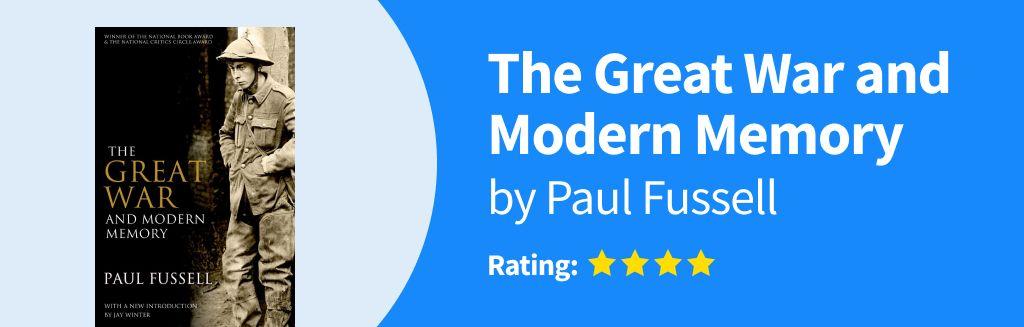
Genre: Non-Fiction / Literary Criticism
What it’s about: A landmark study of how World War 1 reshaped literature, language, and the way we remember conflict. Fussell looks at everything from trench slang to poetry, showing how the trauma of war rewrote the way people thought and wrote about the world.
Why we love it: This one definitely leans academic, but we found ourselves referencing it while reading other books this month. Fussell has a sharp, sometimes sarcastic tone, and he’s not afraid to challenge the way WW1 has been romanticised. If you’re interested in how the war changed culture, not just politics, this is a must-read, and it’s one of the best WW1 books for context and analysis.
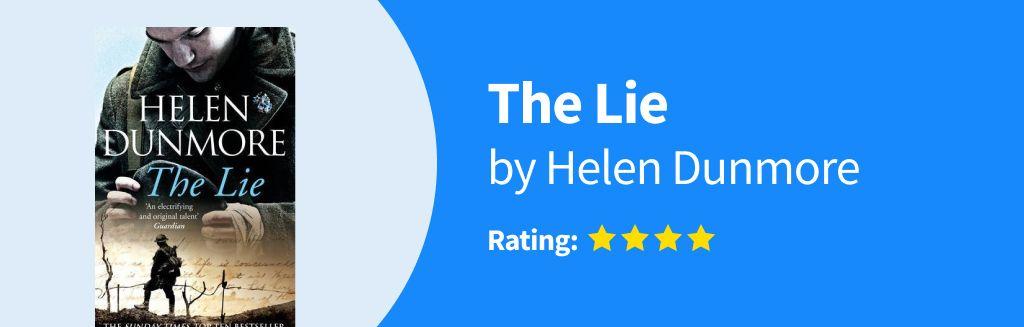
Genre: Fiction / Literary Drama
What it’s about: Set in the years immediately after the war, The Lie follows Daniel, a young veteran haunted by his experiences in the trenches and struggling to rebuild his life in a Cornish village. As he attempts to reconnect with the world around him, we slowly learn about the trauma he’s trying to suppress and the friendship that changed everything.
Why we love it: This one stood out for being quieter and more introspective than some of the other novels we read. It’s less about the war itself and more about the aftershocks. Several of us noted how vividly Dunmore captures the silence and isolation that followed so many men home. It’s beautifully written, incredibly moving, and perfect if you're looking for WW1 fiction books that deal with what happens after the guns fall silent.
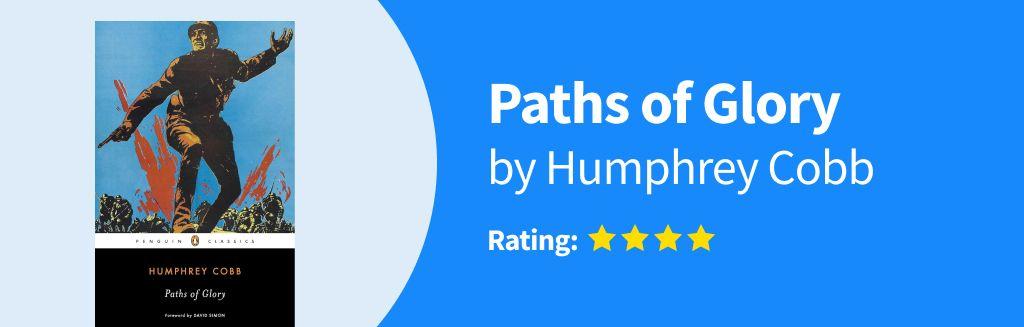
Genre: Fiction / Anti-War Novel
What it’s about: Loosely based on real events, this novel focuses on the absurdity and injustice of military hierarchy during WW1. When a failed mission leads to the execution of innocent soldiers, the story becomes a scathing critique of bureaucracy, class, and cruelty within the ranks.
Why we love it: You might know this story from the famous Stanley Kubrick film, but the novel hits just as hard - maybe harder! A few of us were new to it, but agreed it felt way ahead of its time. The anger in it is controlled but fierce, and the themes sadly still feel relevant. One of the good WW1 books for readers who like moral complexity and a punchy narrative.
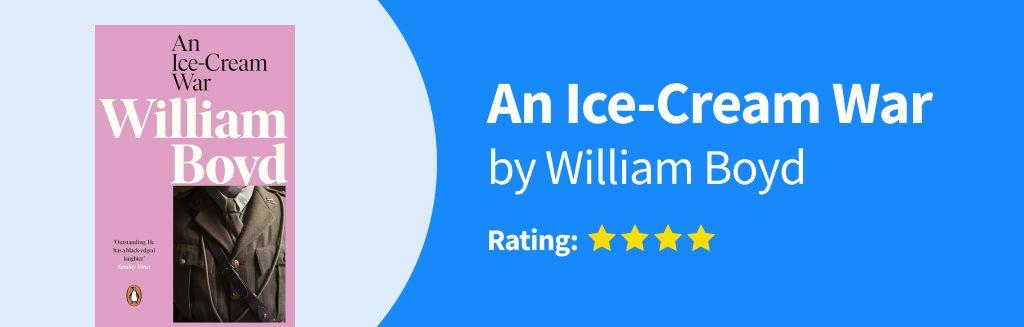
Genre: Fiction / Satire / Historical Adventure
What it’s about: Set in East Africa during WW1, this novel follows a cast of British and German characters navigating a far-flung and often absurd theatre of the war. Part satire, part historical drama, it plays with tone while still grappling with the tragedy and senselessness of conflict.
Why we love it: This was a bit of a wildcard pick for the team, but it ended up being a real favourite for one of two. It’s rare to find a war novel that manages to be both funny and serious, but this one walks that line brilliantly. Plus, it shines a light on a part of the war that often gets overlooked. If you’re after WW1 books with a different setting or tone, this is a breath of fresh air.
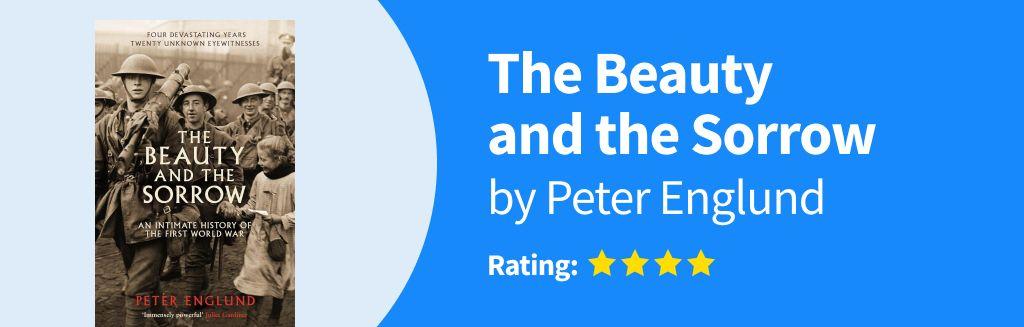
Genre: Non-Fiction / Global History
What it’s about: Instead of focusing on famous generals or major battles, this book tells the story of WW1 through the eyes of 20 ordinary people, from a German schoolgirl to an Australian ambulance driver. Their real letters, diaries, and reflections paint a human portrait of the war as it unfolded across countries and classes.
Why we love it: This one really broadened our understanding of the war. It’s not about military strategy - it’s about daily life, fear, boredom, and moments of surprising beauty. The global range of voices makes it feel incredibly rich. It’s a fantastic choice for anyone who wants to get closer to the human experience behind the headlines. Easily one of the best world war 1 books non fiction we read.
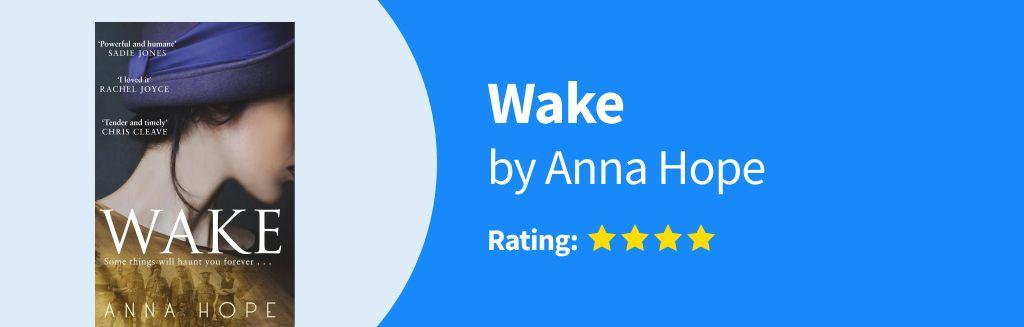
Genre: Fiction / Historical Drama
What it’s about: Set over five days in 1920, Wake follows three women whose lives were changed by WW1: a grieving mother, a widowed wife, and a survivor seeking meaning. As the body of the Unknown Soldier is returned to Britain, their stories converge in powerful and unexpected ways.
Why we love it: This was one of the most emotionally affecting reads of the month. It doesn’t take you to the battlefield, but you feel the war’s presence in every chapter. It’s intimate, layered, and beautifully paced - even invoking a few tears! It’s a perfect closing entry for this list - a reminder that the story of WW1 didn’t end in 1918, and neither did its impact.
This month’s team reading theme at WeBuyBooks has been one of the most intense and unexpectedly rewarding we’ve tackled so far. Diving into the world of WW1 books, from battle-worn memoirs to thoughtful fiction and devastating poetry, gave us a renewed appreciation for how powerful this era of history remains in literature.
We didn’t all agree on every book (we rarely do), but what we did agree on is just how essential these stories are. Whether you're new to the topic or a longtime history buff, this list gives you a wide window into what the First World War meant - on the battlefield, at home, and in the years that followed.
If you’ve got a shelf full of World War 1 books and you’re ready to pass them on, don’t forget, you can sell your history books to WeBuyBooks quickly and easily (and make space for your next reading obsession while you're at it).
Like this post? These posts may be of interest to you:
Would you like to continue the conversation? Share this post!





 How It Works
 How It Works
 Get 10% Extra