Last year, our customers made an average of £24.94*selling their books to us.
Sell My Books
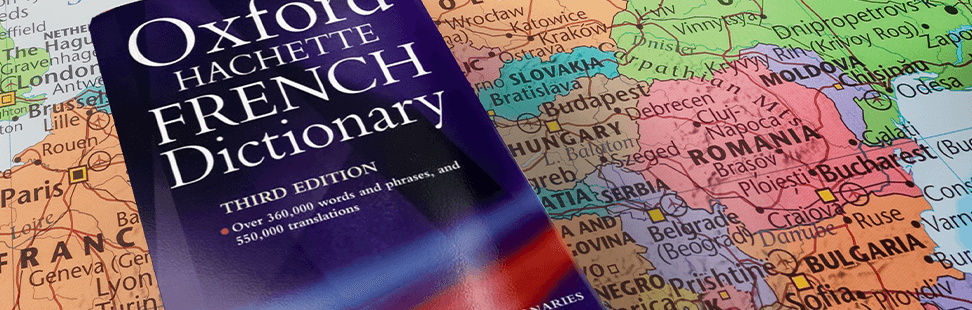
In an increasingly connected world, translation books are a tool that bridges the gap between different cultures. Whether it’s a language dictionary or a dual-language novel, translation books unlock whole new languages, which, in turn, offer up countless new opportunities.
Despite their usefulness and popularity around the world, translation books are often overlooked when people come to assess the value of their book collections; however, these types of books retain a great deal of value, both intellectually and financially.
In this article, we discuss what makes translation books so invaluable in today’s society and why they are so good at holding their value. We’ll also give you a few examples of high-value translation books to look out for.
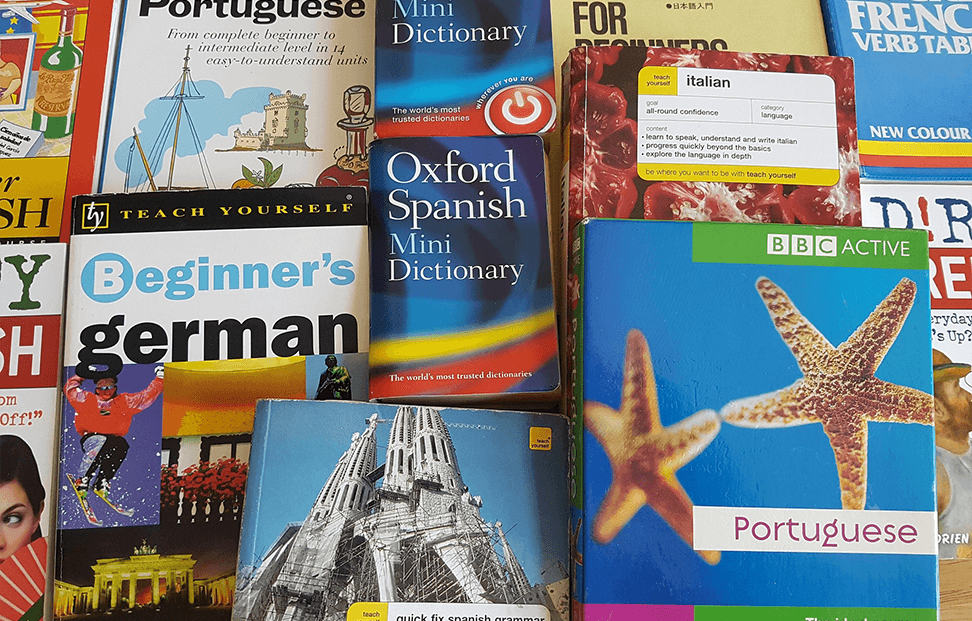
When we talk about translation books, we are talking about the multilingual resources that help you translate one language into another – things like travel dictionaries, dual-language texts, and phrasebooks. Whether you are travelling or studying, they are tools that play a vital role in opening up communication by breaking down language barriers.
So, what makes language books valuable? Like all books, the value of translation books relies on several factors - take a look:
Now, let's take a look at some of the best examples of translation books that are great at retaining value:
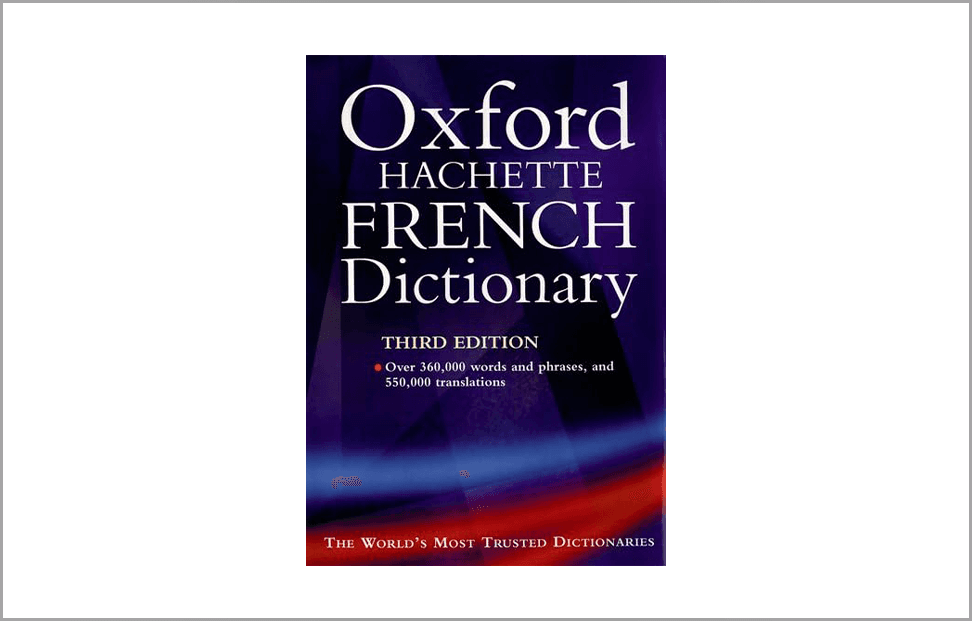
Available in both compact and full-sized editions, Oxford Hachette French Dictionary is a comprehensive guide to the French language that is widely used by students and professionals across a variety of industries.
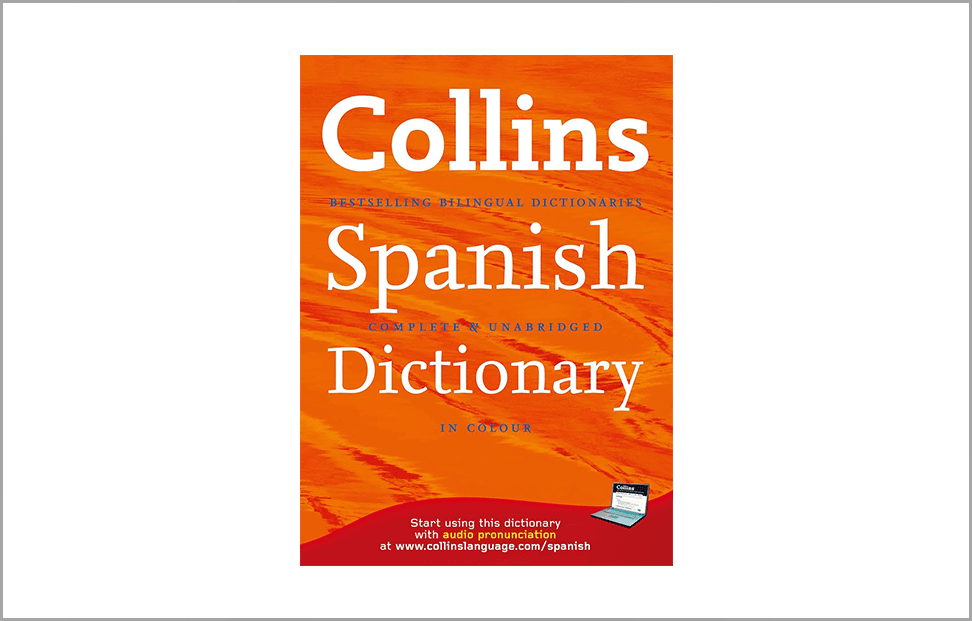
Collins is renowned for the reliability and accessibility of its translation dictionaries. In this particular dictionary, there are more than 230,000 translations, including several regional variations.
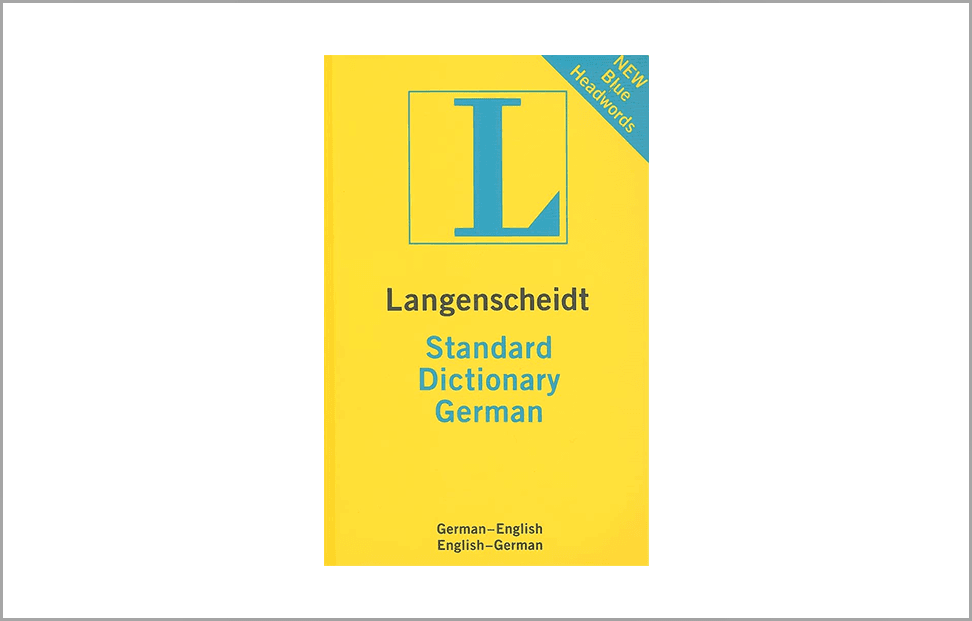
Langenscheidt has a reputation as a trusted German publisher with a track record of producing quality translation materials. This German-to-English dictionary is well organised, with clear grammar references and examples of common usage.
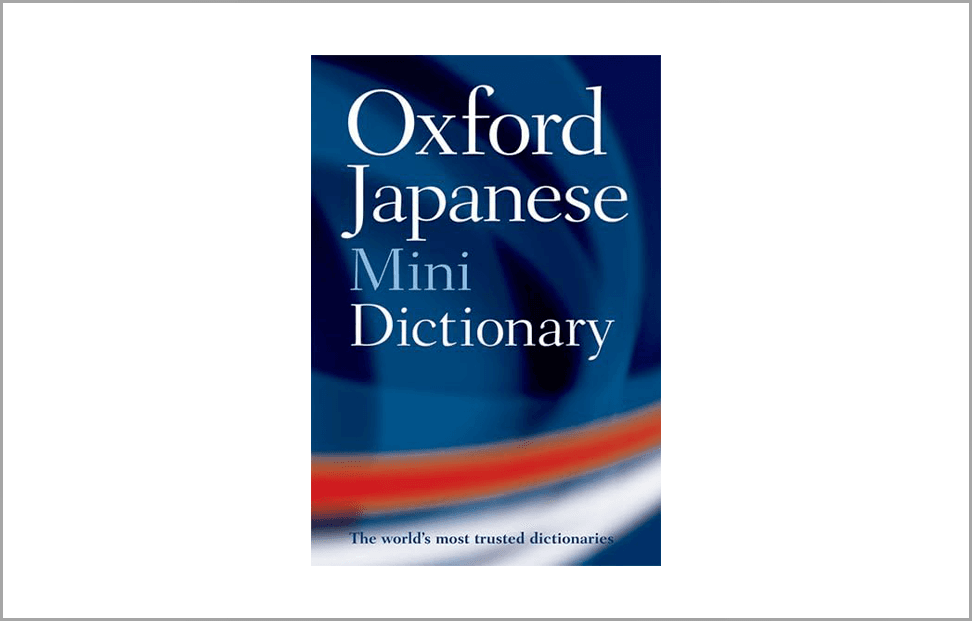
Short, concise, and easy to read, the Oxford Japanese Mini Dictionary is perfect for anyone taking their first steps learning Japanese or looking to travel to Japan. This mini dictionary includes both Romanised pronunciations and kana.
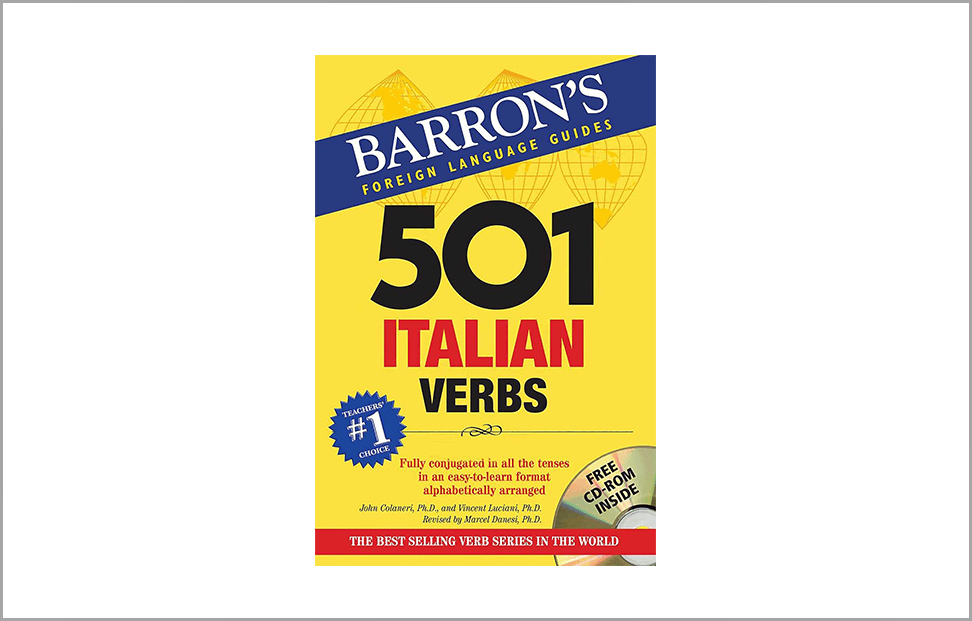
The Barron’s 501 Verbs is a series of books that provide full conjugations and usage examples of 501 commonly used verbs from various languages, including Spanish, French, Italian, German, etc. Each book focuses on one language, making them a useful tool for improving your language skills.
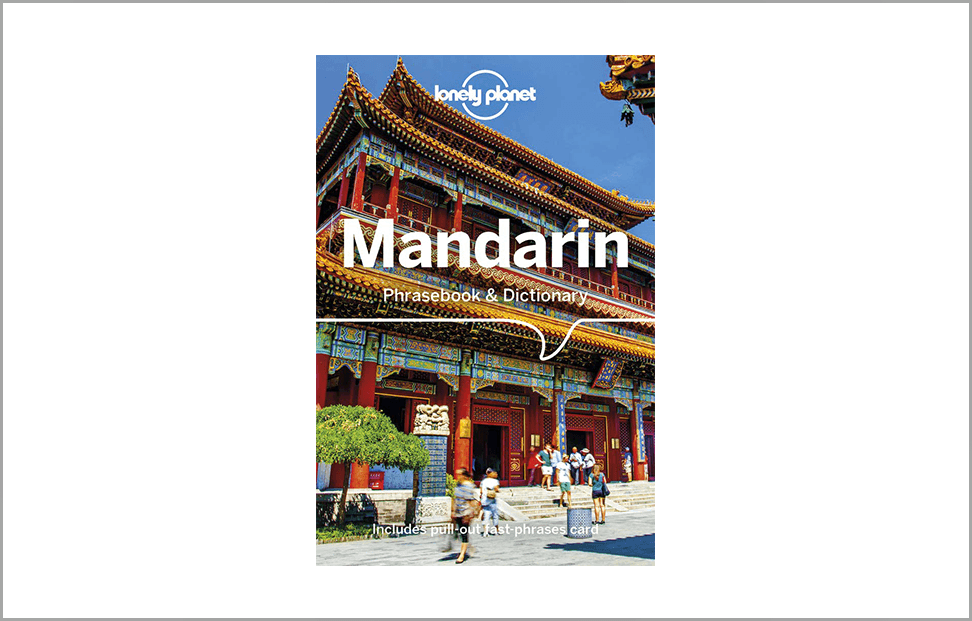
If you’re looking to travel, then the Lonely Planet phrasebooks are the perfect tool to take with you. Organised into a structure based on situations like ordering food, getting drinks, and asking for directions, these books are great for both short- and long-term travelling. And they come in plenty of different languages.
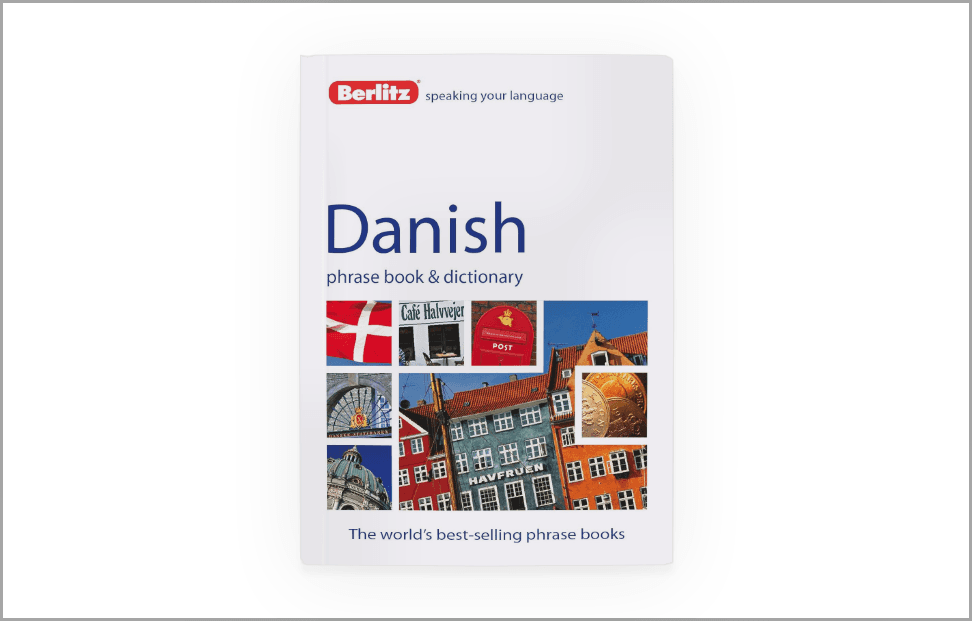
Berlitz has long been known for the clarity and simplicity of its phrase books, providing backpackers and holiday makers with some very welcome assistance. More recently, Berlitz has also started providing audio support with its books on its app.
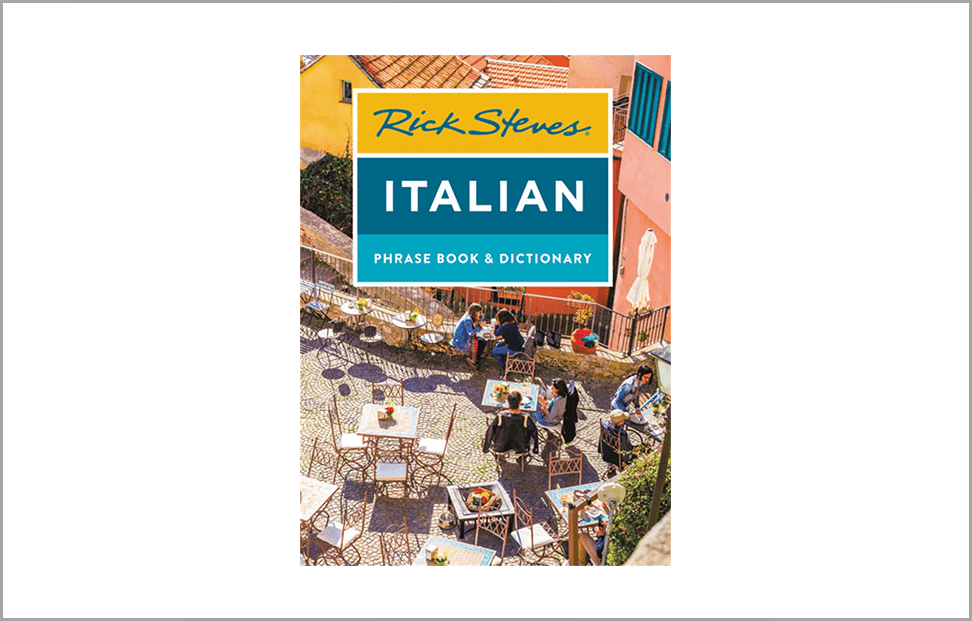
Tailored to support European tourism, Rick Steves’ Phrase Books are simple language guides that focus on conversational translations to help smooth and informal communication across languages.
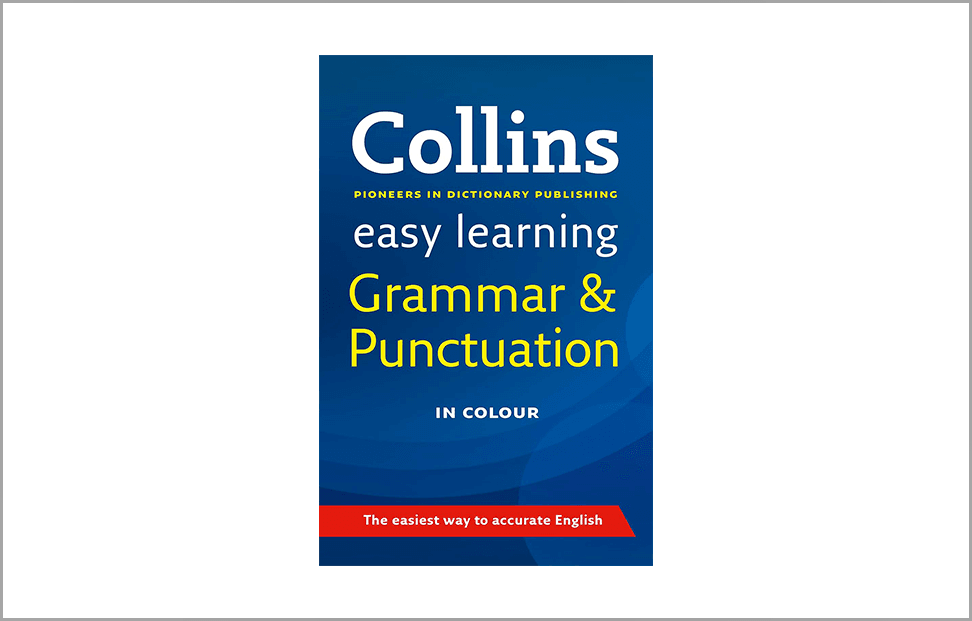
The Collins Easy Learning Grammar and Practice books are a great supplementary tool for anyone learning a language. They focus on grammar and vocabulary, providing a solid foundation from which to improve translation skills.
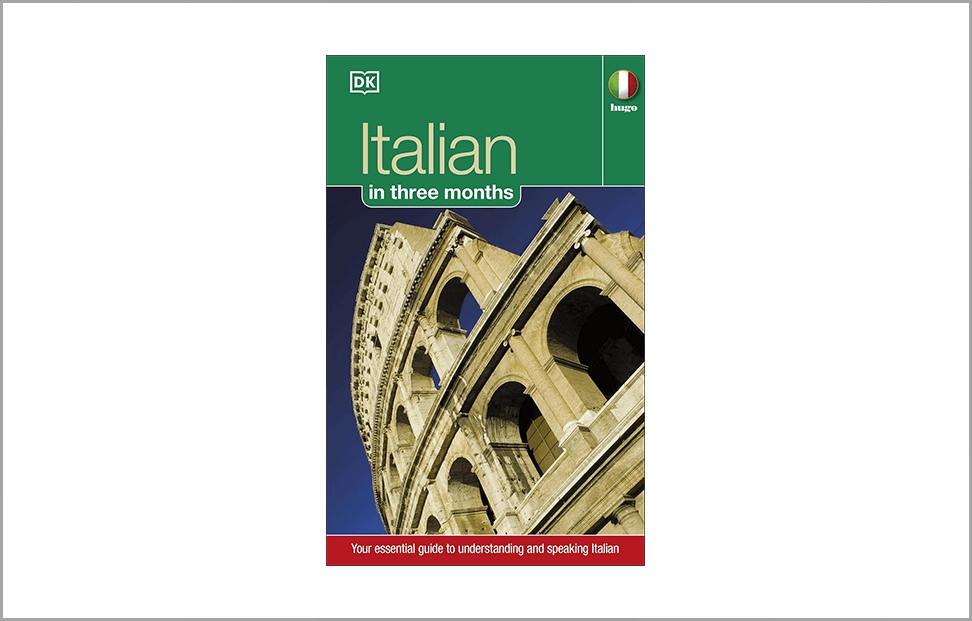
The Hugo Language Course books provide a complete and structured approach to learning a new language. They are packed with practical translation exercises geared towards helping adult learners and self-starters get to grips with a new language.
For those who learn by incorporating new languages into their everyday reading, dual language editions of novels are a fantastic asset. What follows are ten widely celebrated translation books that have had a significant cultural impact since their publication.
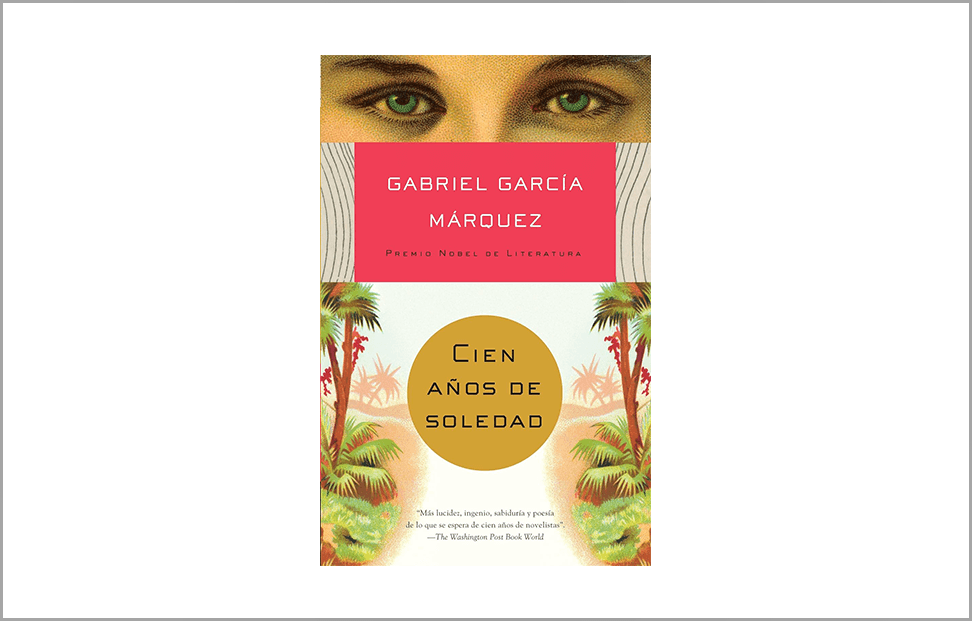
What it’s about: One Hundred Years of Solitude is a multi-generational story that follows the Buendía family in the fictional town of Macondo. The story is wound together with elements of magical realism and Latin American History.
Why it’s great for language learning: This book is filled with rich Spanish narration and detailed descriptive language, making it ideal for advanced Spanish learners.
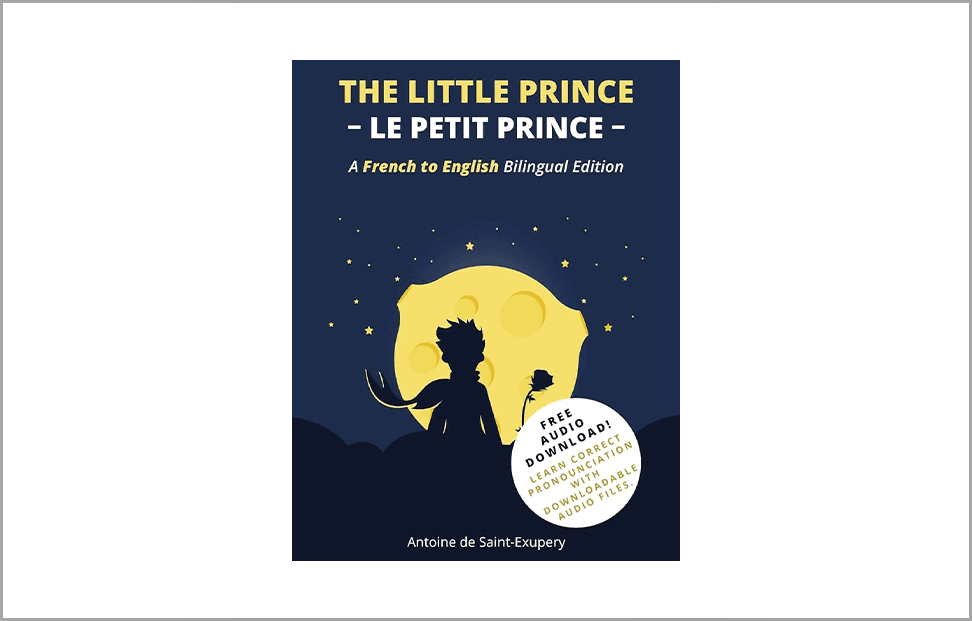
What it’s about: The Little Prince is a beloved philosophical tale of a young prince who travels from planet to planet exploring themes of love, loss, and human nature.
Why it’s great for language learning: The diverse yet easily digestible range of vocabulary used in The Little Prince makes it ideal for anyone learning French at a beginner-intermediate level.
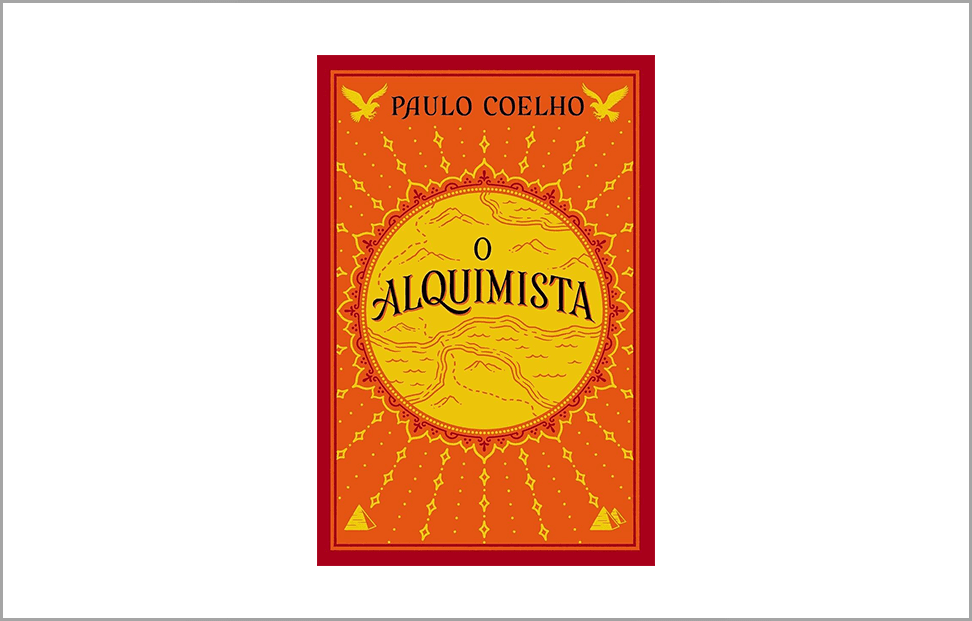
What it’s about: The Alchemist is a world-renowned tale about a shepherd who sets out to follow his dreams. He travels across a desert to seek out his treasure, yet it’s in the journey itself that he finds true meaning.
Why it’s great for language learning: Paulo Coelho’s clear storytelling throughout The Alchemist helps reinforce readers' Portuguese verb tenses and vocabulary.
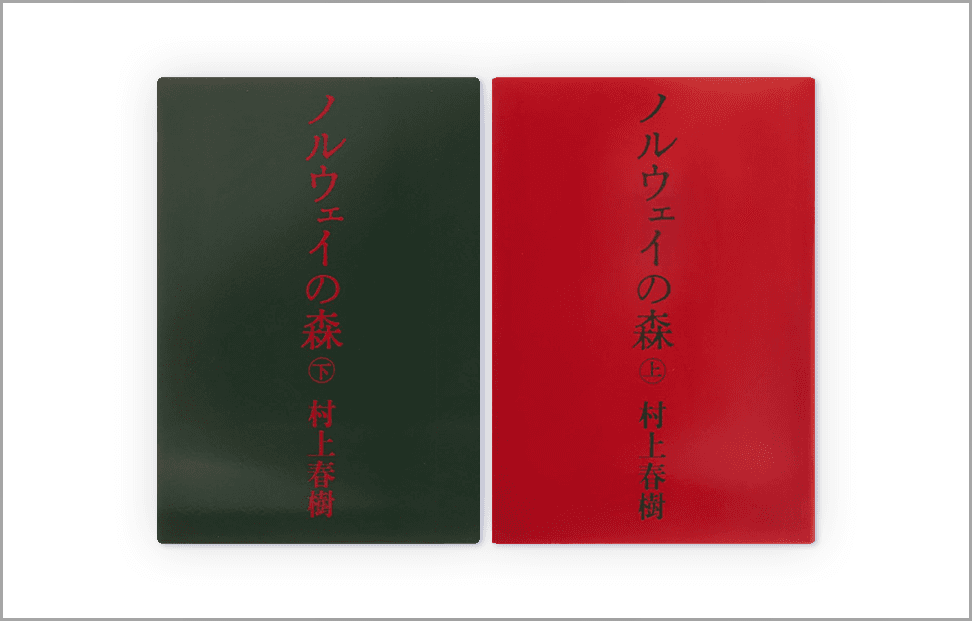
What it’s about: Centred around themes of love, loss, and identity, Norwegian Wood is a nostalgic coming-of-age story set in 1960s Tokyo.
Why it’s great for language learning: The use of modern Japanese language combined with delicate storytelling offers students of the Japanese language an intermediate to advanced challenge.
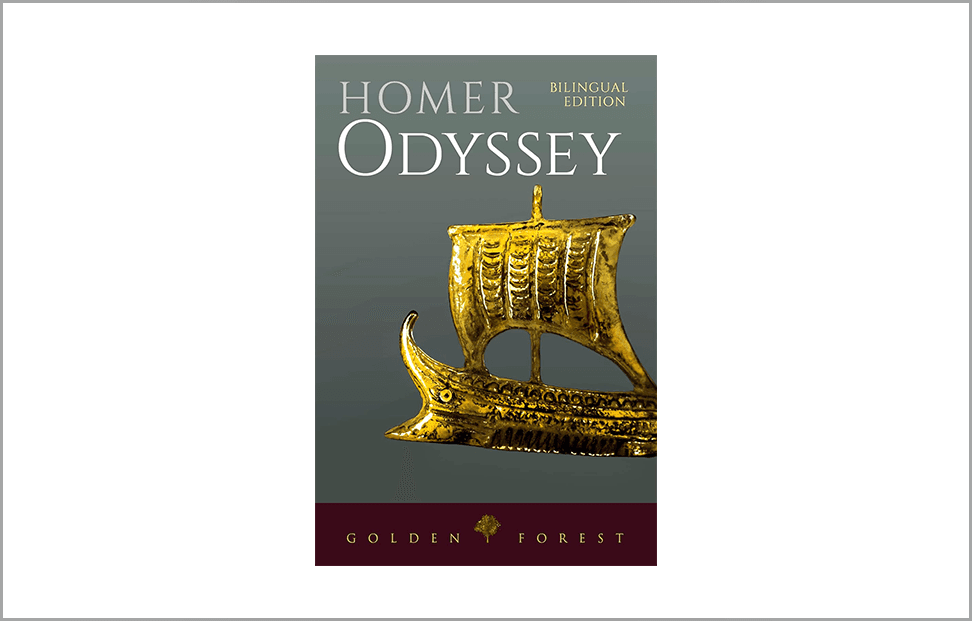
What it’s about: Homer’s Odyssey, known all over the world for its vivid storytelling and iconic characters, tells the story of Homer as he attempts to return home after the Trojan War, and in doing so, encounters several, what are now iconic, mythical creatures and divine trials.
Why it’s great for language learning: For students of Ancient Greek, The Odyssey is a masterclass in epic poetry and classical grammar.
What it’s about: Crime and Punishment has been credited as one of the greatest novels ever written. It follows a young man as he is slowly torn apart by the guilt for a murder he committed.
Why it’s great for language learning: A translation only for advanced students of Russian, Crime and Punishment displays complex grammar and introspective vocabulary, making it a challenging translation.
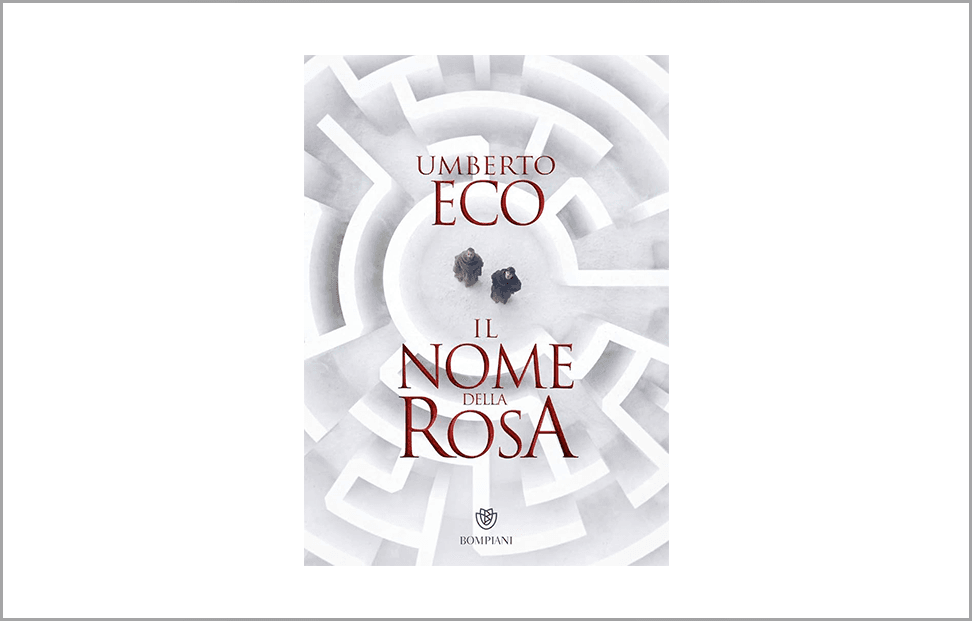
What it’s about: The Name of the Rose is a historical mystery set in the 14th century. The book is set in a monastery and follows a complex investigation that touches on themes of theology, semiotics, and suspicion.
Why it’s great for language learning: With its intellectual use of complex language, The Name of the Rose makes for a challenging yet rewarding translation for advanced students of Italian.

What it’s about: The Stranger follows Meursault, an estranged French-colonial Algerian, as he is drawn into a murder trial after he impulsively kills a man on a beach. This book explores themes of existentialism and absurdism.
Why it’s great for language learning: The use of clear and direct prose throughout the text makes The Stranger a great book for improving your confidence in reading French.
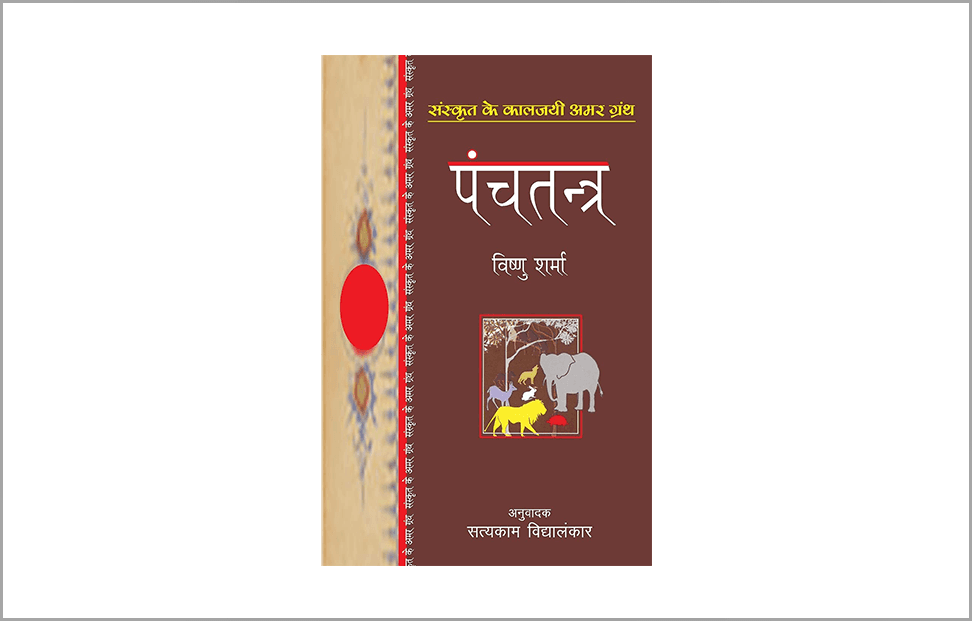
What it’s about: Originally written in Sanskrit, Panchatantra comprises a series of animal fables designed to teach wisdom and statecraft. This collection of short stories has been translated into over 50 languages to date.
Why it’s great for language learning: The short format of the stories in Panchatantra makes it easily digestible for anyone learning traditional Indian languages like Sanskrit or Hindi.
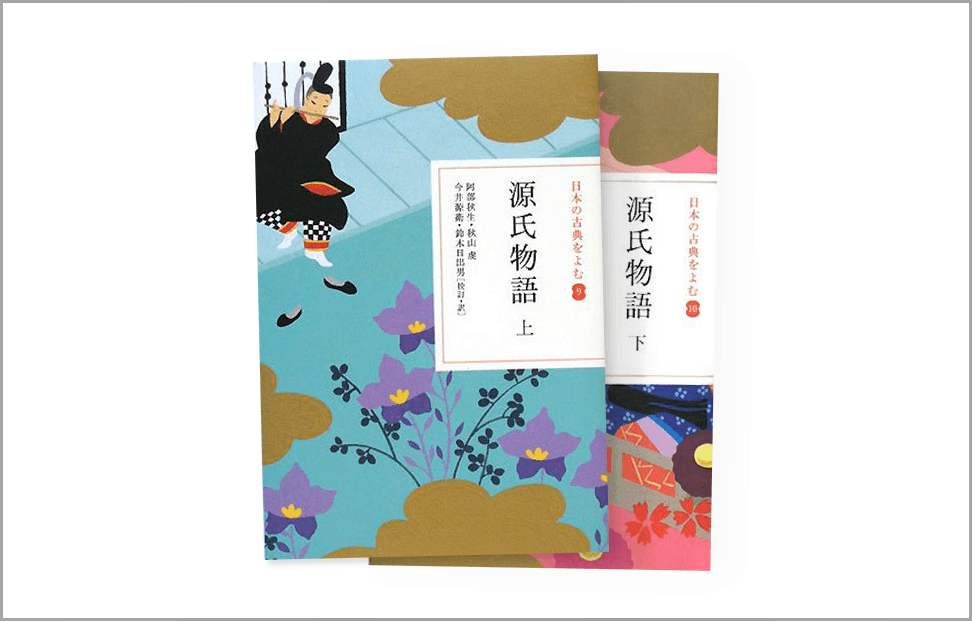
What it’s about: Considered the first novel ever written, The Tale of Genji follows Prince Genji, a royal from Heian-era Japan, who finds himself navigating a complex romantic entanglement.
Why it’s great for language learning: Thanks to its age and cultural significance, The Tale of Genji acts as a rich source of historical vocabulary and sentence structure for those learning Japanese.
If you own any of the books that we have talked about in this article, then now is a great time to sell them. Don’t worry if you don’t have any of the books we have mentioned; there are thousands of translation books in circulation that could earn you a tidy sum.
If you are ready to sell, or just want to find out how much your translation books are worth, use the WeBuyBooks app to scan their barcodes and get an instant valuation.
Follow these steps to sell your translation books in a jiffy:
-Scan your books: scan your books in on the WeBuyBooks app or enter the ISBN to get an instant quote.
-Fill your basket: Fill up your basket and accept your offer.
-Post your books: Package up your books and post them using our free postage in your confirmation email. (check out our packaging guidelines for more info)
-Get paid: We’ll pay you the day we receive your items, so you won’t have to wait long.
So, that concludes this guide to translation books and how to sell them. We hope that we have been able to give you a better idea of which books might suit your style of learning best, whether that be a translation of your favourite novel or taking it all the way back to the basics with word-for-word translations in a bilingual dictionary. Whichever language books you choose, don’t forget to sell them once you are done.
Would you like to continue the conversation? Share this post!





 How It Works
 How It Works
 Get 10% Extra