Last year, our customers made an average of £24.94*selling their books to us.
Sell My Books
In this article, we explore the world of building books and DIY guides. We aim to offer you a better understanding of what building books are, which ones will help you get the job done, and how you can turn your old copies into cash. So, whether you are planning to start a barn conversion or you just want to breathe some fresh life into your home, the books in this article will give you all the tips and tricks you need.
At one point or another, we have all played with the idea of buying a 'doer-upper' property with the intention of renovating it and turning it into the perfect home, but in reality, how many of us ever actually do it? Perhaps what we have all been missing is the know-how, the knowledge to undertake such a massive task, and what better way to learn the skills than through books?
So, what do we mean by building books? Building books cover a wide array of topics that all revolve around construction; from step-by-step guides on how to build a house from scratch to books that will show you how to renovate historic houses.
Often containing a plentiful supply of pictures, diagrams, and visual guides, building books form the backbone of any construction project, big or small. Whether used as learning materials for up-and-coming architects or as a DIY manual for some home renovations, building books are an important tool.

The act of building is as old as civilisation itself; it is the cornerstone that elevated humanity out of caves and into the modern world. Over the years, building techniques have evolved, and so have the ways in which we pass that knowledge on. In days of old, humanity relied on hands-on labour and oral tradition to pass on the skills necessary to keep the trade alive; now, however, we write everything down and put it into books.
The first written building books emerged centuries ago in the form of manuscripts and illustrated patterns, and during the Renaissance, architects like Vitruvius and Andrea Palladio published detailed works explaining the technicalities of construction and design, which served as practical handbooks and study guides for future builders. In the 18th and 19th centuries, the rise of the printing press saw building guides become more accessible; manuals on carpentry, masonry, and joinery were now available to professionals and amateurs alike. This trend has continued to grow ever since, with more and more people becoming more self-sufficient.
Today, the sheer variety of building books on offer is baffling, from guides on how to correctly fit windows to books on reupholstering your furniture; the access to knowledge that would have been known only to a select few a few hundred years ago is unprecedented.
In this digital age, what makes books so valuable? The internet is full of information, but what it can lack is depth, reliability, and permanence; three things that are essential when it comes to building things that last. We could sit here for hours discussing the benefits of reading books over digital, but let's just take a quick look at the key benefits of having a good old book around:
- Reliable: Books are often regarded as one of the most reliable sources of information, partly thanks to the amount of work that has to go into making them, and partly thanks to the extensive reviewing process that every book has to go through before it is published.
- Accessible: Most building books are easy to get a hold of, either through your local book shop or via online marketplaces. Once you have a book, you don’t need to rely on a good signal or a stable wifi connection to access the information you need.
- Tested: Nearly all building books are written, reviewed, and published by experts in their field, which means the information in them is going to be of the highest standard.
- Detailed: The amount of detail you can fit into a book is astounding; the ability to combine written text with all sorts of useful images and diagrams, without needing to fit it all into a tiny screen, makes books a rich source of info.
Now, let's take a look at a selection of the best building books and why they hold their value on the second-hand market.
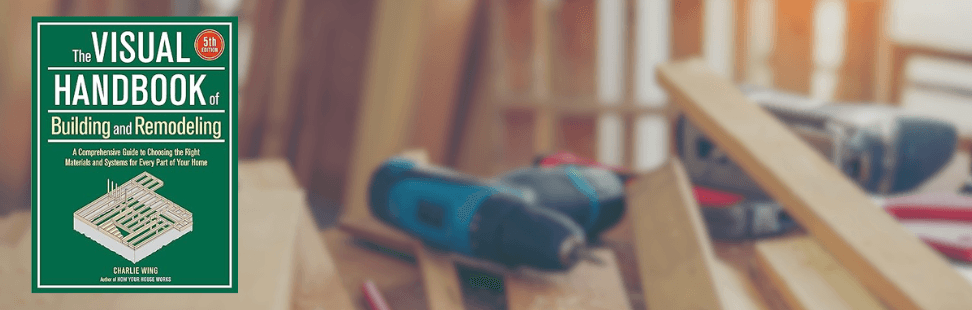
About the Book: The Visual Handbook of Building and Remodeling is a comprehensive DIY guide packed with thousands of illustrations and diagrams that can teach you how to do almost any household DIY job, from laying the foundations for a new house to fitting skirting boards.
Why it's valuable: The book's simple step-by-step approach makes big, complex jobs easy to achieve, even for those with very little experience with building and remodelling.
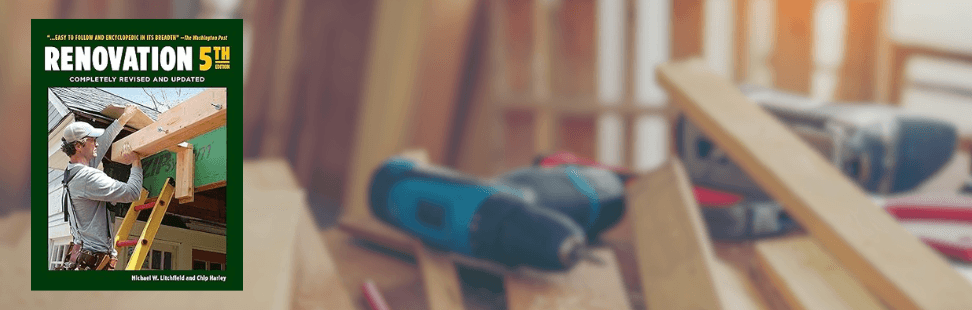
About the Book: Often referred to as the “renovator’s bible”, this book blends decades of expertise in home renovation into one practical, actionable guide. It guides you through every element of renovating from maintaining safe practices to how adding final touches, as well as off the boring bits.
Why it's valuable: Renovation provides a fountain of knowledge to tap into; it is the perfect tool to hone your renovation skills, regardless of your existing skill level. There's a reason it's been given the name the "renovator's bible", it is the perfect tool for all home renovators with little to no experience in building.
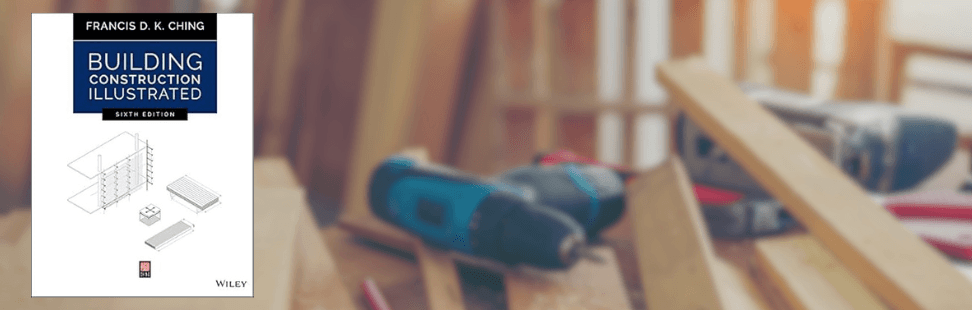
About the Book: Building Construction is a vividly illustrated, hands-on book that explains the basic principles of construction. This book is so well-known that it is used by builders, architects, and students around the world.
Why it's valuable: Francis D.K. Ching’s illustrations in this book bridge the universal language gap with ease, making it a cornerstone reference resource for students and professionals of the trade all over the world.
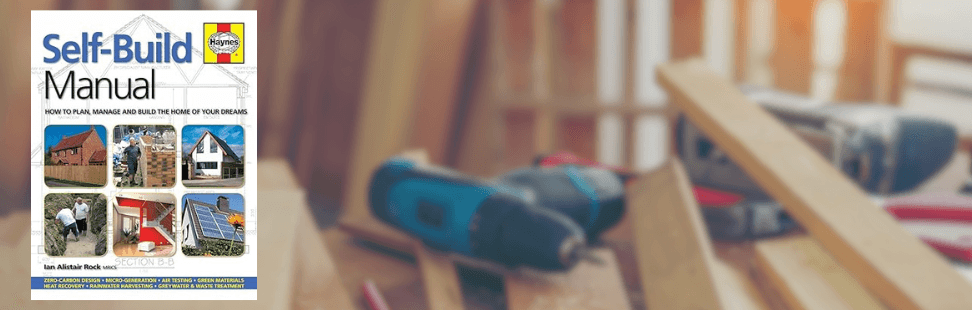
About the Book: The Self-Build Manual by Ian Rock is the all-in-one guide to building a house. It covers every aspect of the building process, from planning permissions to house maintenance. Every step of the house-building process is covered in precise detail, with nothing left out.
Why it's valuable: Rarely do you find such a thorough guide delivered in such an accessible format. Own this book, and you won’t need another, it has everything you could possibly need to maximise your DIY potential and put your own flare into all of your home building projects.
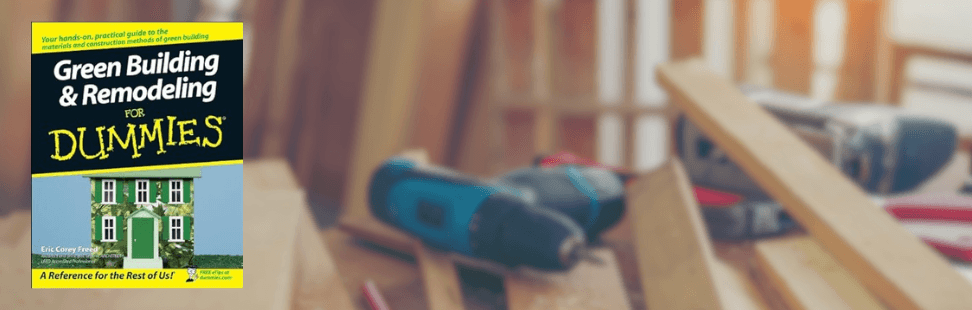
About the Book: If sustainability is your jam, then this book provides an accessible introduction to eco-friendly construction. The book highlights the most important elements of sustainable building, such as sustainable materials, environmentally friendly practices, and practical ways to reduce environmental impact.
Why it's valuable: Sustainability is becoming more important with every passing day, and this book provides a fantastic foundation for any new or experienced builders looking to improve their environmentally conscious practices.
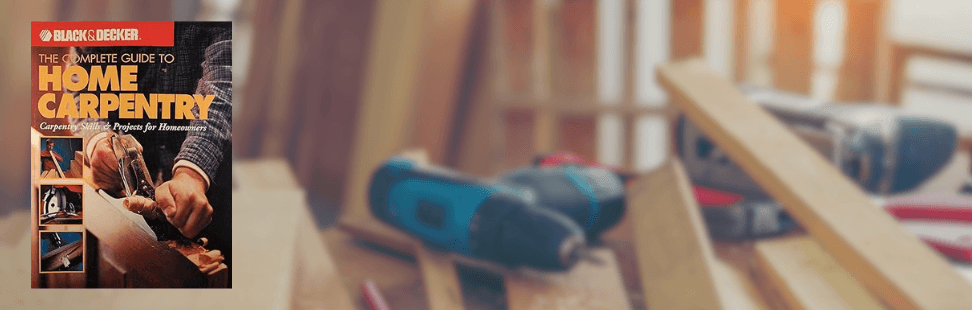
About the Book: The Complete Guide to Home Carpentry does exactly what it says on the tin; inside, you’ll find an array of guides on how to build and maintain a plethora of woodwork, including framing, cabinetry, and furniture.
Why it's valuable: The Complete Guide to Home Carpentry gives an up-to-date and realistic view of carpentry, covering costs, resource management, skills, time, etc., making it a universally invaluable book for all carpenters of all skill levels.
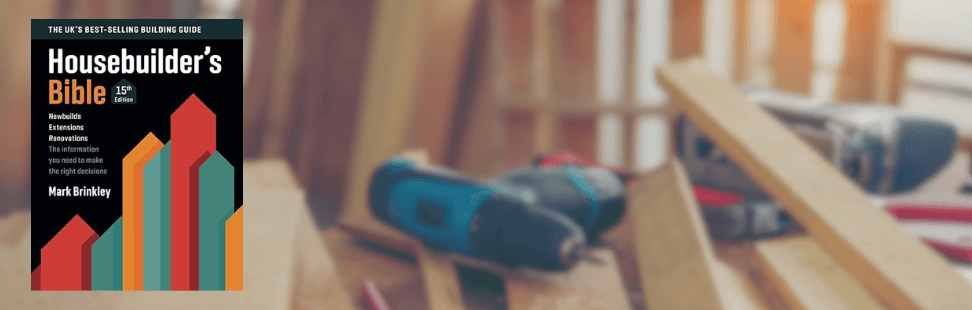
About the Book: The Housebuilder’s Bible is a regularly updated book that provides real-world walk-throughs of what it takes to build a house, including costs, timelines, and risks. The quality of this book speaks for itself, and the consistent attention and updates that it still receives is testament to its longevity.
Why it's valuable: This book is an insightful guide that goes out of its way to cover every basis of building a house, answering questions that you might not have even thought to ask. Author, Mark Brinkley, takes you through every process with undeniable precision making it a book that can always be relied on, no matter the complexity of the task.
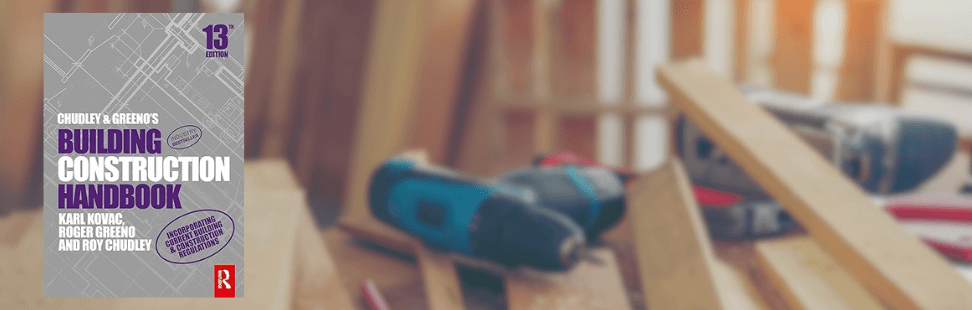
About the Book: Chudley and Greeno's Building Construction Handbook is a reliable and highly detailed handbook that covers all the things an experienced builder should know, from codes to materials.
Why it's valuable: This book is easy to follow and packed with undiluted, useful information relevant to a variety of building disciplines making it an invaluable tool for nearly every type of builder from do-it-yourself rookies to season professionals.
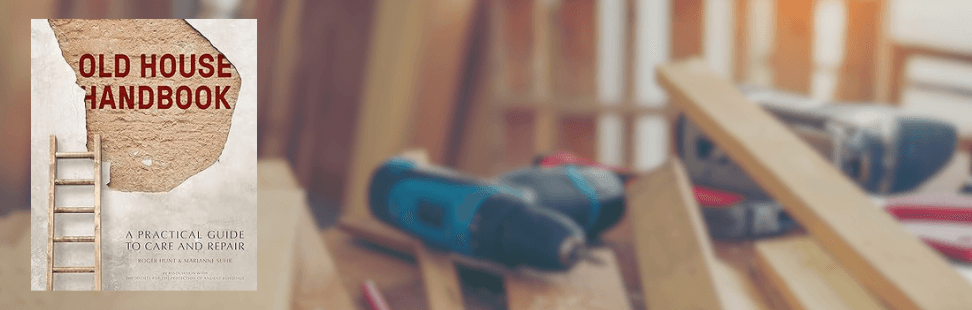
About the Book: The Old-House Handbook focuses on the restoration and maintenance of old buildings, with particular care taken on the preservation of their character and history.
Why it's valuable: Older homes, especially in the UK, are a minefield when it comes to renovating, but this book provides clear guides on how to stay ahead of your house maintenance.
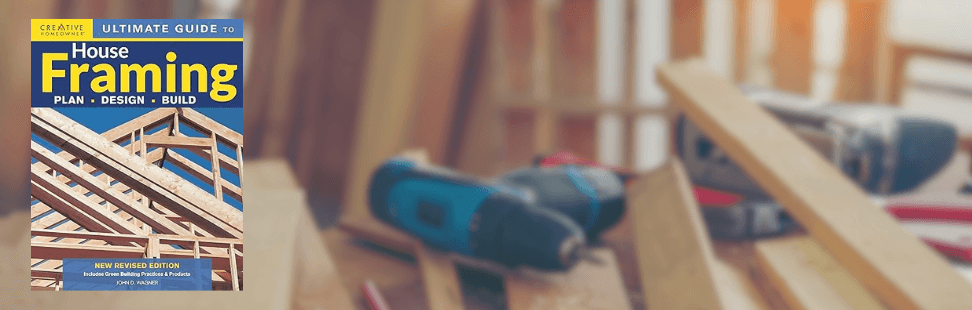
About the Book: Framing is the structural backbone of any house, and this book breaks down this essential process, exploring every detail, including layouts, load-bearing walls, and safe practices.
Why it's valuable: Ultimate Guide to House Framing: Plan, Design, Build offers a detailed insight into one of the most crucial steps in any build, providing important information that should not be overlooked.

If you have any of these books, it would be a shame for them to sit on a shelf collecting dust; instead, you should sell them. Selling building books doesn’t have to be as hard as it sounds; you don’t need to go out and find a niche audience to buy your books, you can just sell them with WeBuyBooks.
Selling building books is a great way to make some money, thanks to their enduring value and the fact that they are constantly in high demand. What this means is that regardless of whether you have any of the books that we have mentioned in the article or not, most building books will have a high second-hand value.
To sell your books, follow these steps:
So, that concludes our discussion on the best building books. So whether you're getting ready for your next major building project or you just want to learn a few useful DIY hacks to use around the house, we hope you found the right book. Don’t forget, if you have some old building books lying around, jump on WeBuyBooks to see how much you could get for them.
Would you like to continue the conversation? Share this post!





 How It Works
 How It Works
 Get 10% Extra