Last year, our customers made an average of £24.94*selling their books to us.
Sell My Books
Beekeeping is more than just a hobby; it’s an ancient practice that plays a crucial role in supporting both the ecosystems and the environment around us. Thanks to the accelerating shift towards sustainable living and backyard farming, beekeeping and its literature have seen a resurgence in popularity.
If you have tried your hand at producing honey or you just like bees, you might find yourself with a bookcase full of beekeeping books. If you fall into this category, then you might be interested in reclaiming some of your shelf space and clearing out those books. Sound good? Well, in this blog, we are going to be discussing how you can make the most out of your old beekeeping books and which books are the most valuable.
In this article, we’ll explore:
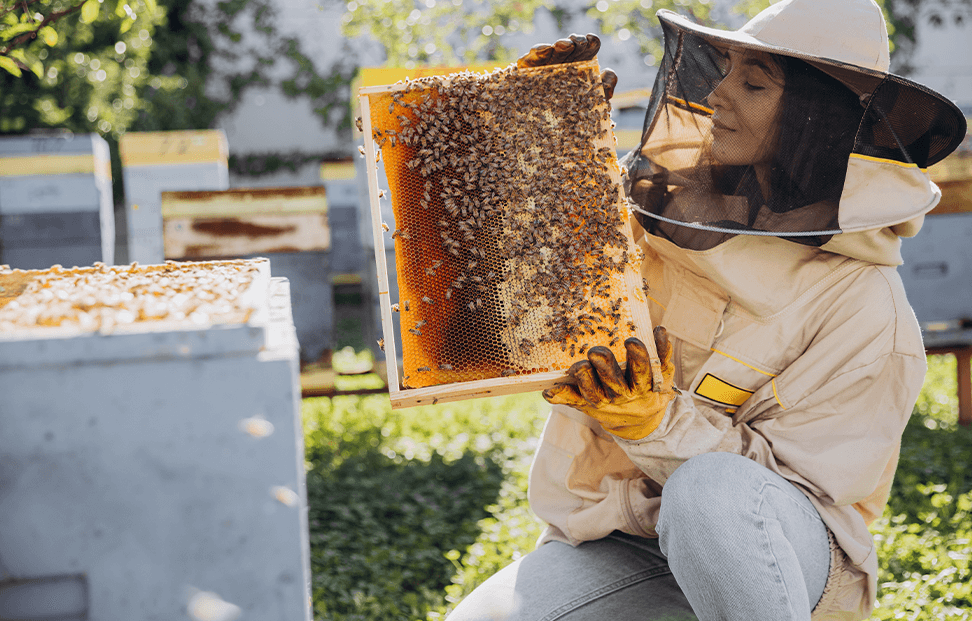
Beekeeping, or apiculture, dates back thousands of years. Cave paintings from as far back as 7000 B.C. depict people harvesting honey, suggesting that it could have been a very early form of agriculture. The ancient Egyptians transported bees down the River Nile to follow the blooming plants and produce a consistent supply of honey, while the Greeks and the Romans studied bees to better understand how they operated and how they were able to create their nests.
By the time the Middle Ages came around, beekeeping was a staple in churches and monasteries. Not only was honey prized for its sweetness and medicinal uses, but the wax from a hive was essential for making the huge numbers of candles used by the population, and, unlike today, you couldn't just pop down to IKEA to buy a plug-in lamp; candles were often the primary source of lighting in homes and churches.
Jump forward to 1852, and Reverend Lorenzo Langstroth revolutionized modern beekeeping with the invention of the moveable frame hive, making it much easier to harvest honey from the beehive without destroying it, making it much more sustainable.
Today, bees pollinate over 30% of the food crops we use, making them a vital part of modern-day agriculture. Amid concerns about declining bee populations, sustainable beekeeping is more important than ever, and so is the knowledge passed down through books.
Whether you’re an experienced apiarist or you simply inherited a bunch of gardening books from a relative, beekeeping books are surprisingly good at holding their value. Here's why:
1. Niche Audience
Beekeepers, often those who live in wild or rural areas, rely heavily on trusted literature that has supported beekeeping for years. Books that clearly explain everything there is to know about the art, from hive health to breeding techniques to how to extract the honey, these are the books that both professionals and amateurs are looking for.
2. Rare
Older editions can often be harder to find, especially those that came before the internet really took off. And if they haven't been reprinted, then they can often become collectables.
3. Specialist Knowledge
The fundamentals of beekeeping haven't really changed for a long time, which means even books from the last century are still relevant.
4. Unique Illustrations and Historical Interest
Older beekeeping books were often illustrated with detailed drawings and intricate diagrams, and sometimes even charming little woodcuts, which makes them appealing not just to practitioners, but also to collectors as well.
Here are a few beekeeping books that are sought after in second-hand markets and could make you some money:
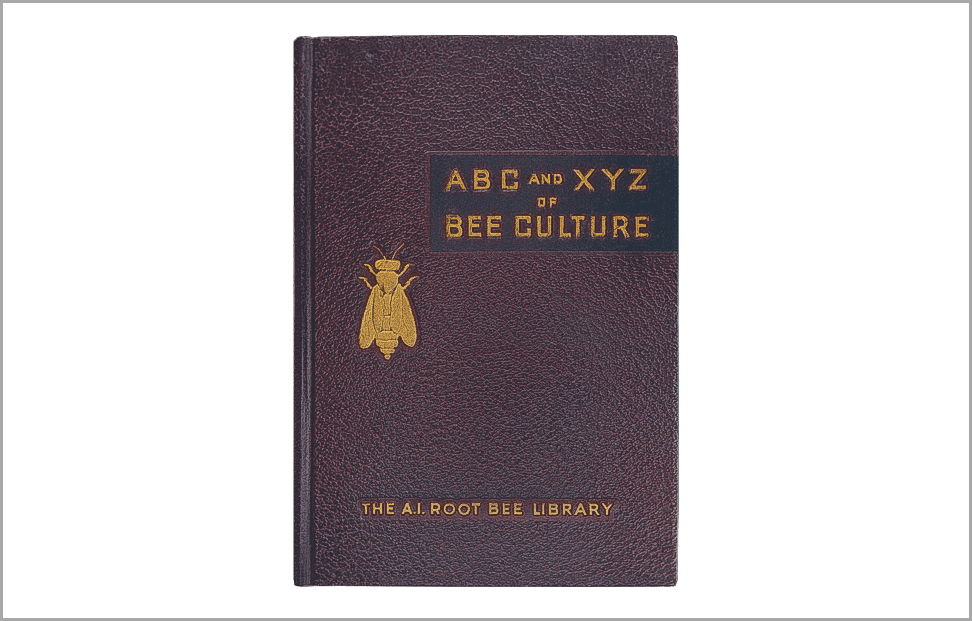
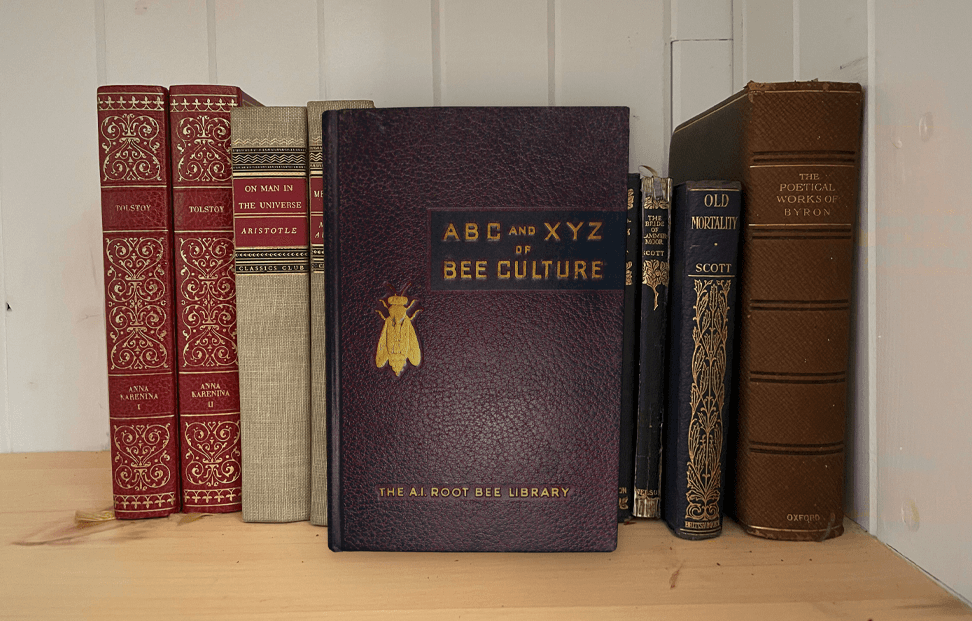
What it’s about: The ABC and XYZ of Bee Culture is the bible of all beekeeping books; it is a full, encyclopedic reference tool that covers virtually every facet of beekeeping. Thanks to how comprehensive the book is, it is still heavily sought after, especially earlier editions.
Why We Love it: The ABC and XYZ of Bee Culture may not be a book to take to bed with you, but it is the perfect tool to help you stay on top of your beekeeping knowledge. Just by reading this book, we were able to say, with confidence, that we had developed a working understanding of the beekeeping craft. This is a book that we would recommend to anyone with even a vague interest in bees.
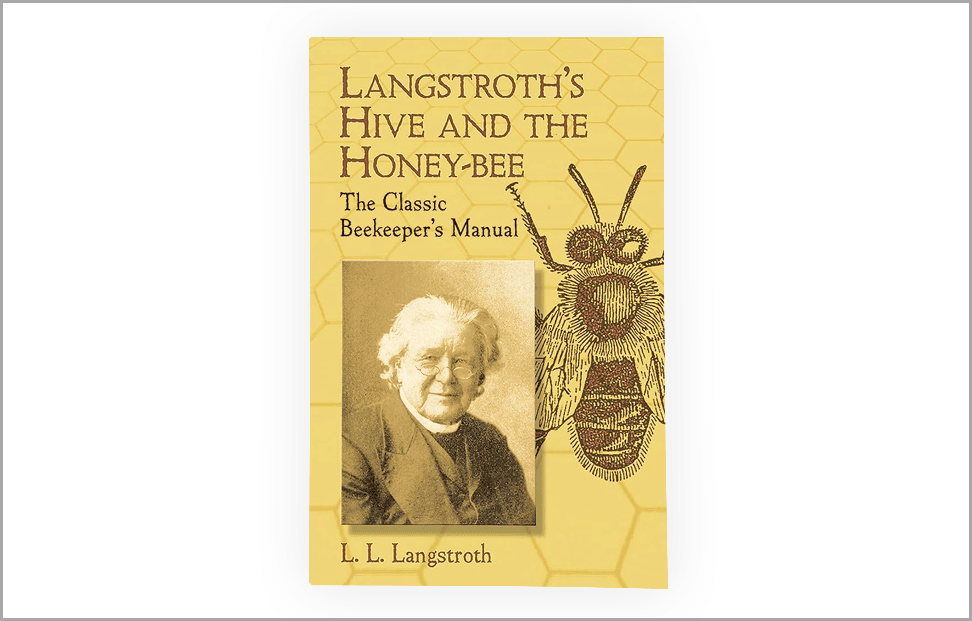
What it’s about: Written by L.L. Langstroth, the father of modern beekeeping, Langstroth on the Hive and the Honey-Bee offers a comprehensive insight into beekeeping, including all of the most up-to-date elements, such as bee space and removable-frame hives. This is the book that brought beekeeping into the modern age, making it a highly sought-after book for anyone with an interest in beekeeping.
Why We Love it: We really enjoyed reading Langstroth on the Hive and the Honey-Bee; it felt like discovering the roots of everything we know about modern beekeeping. It’s packed with practical tips and clever insights, but what really stood out to us was how clearly it explains the why behind it all. It gave us a deeper appreciation for sustainable practices. Definitely a favourite around the office!
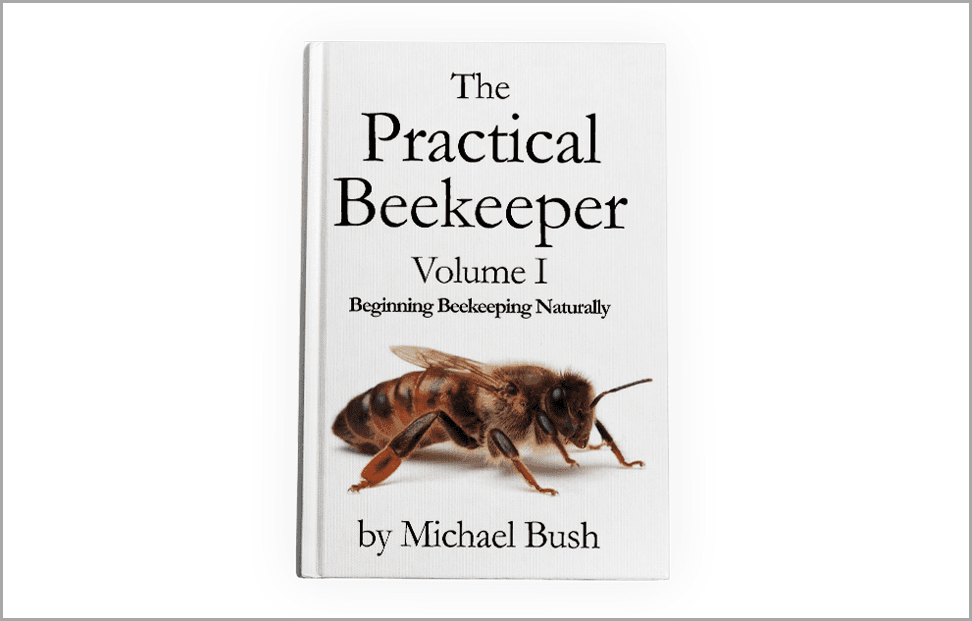
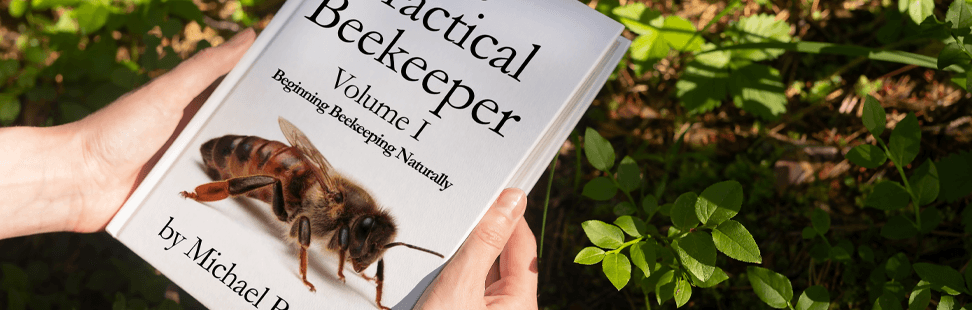
What it’s about: The Practical Beekeeper is a no-nonsense book focusing heavily on natural, treatment-free beekeeping. Offering a to-the-point approach to beekeeping and written in an easily understandable language, this is a very popular addition to any beekeeper's bookshelf.
Why We Love it: The Practical Beekeeper is an efficient and well-thought-out book that guides you through the practice of beekeeping. Reading this book gave us a deeper understanding of why sustainable beekeeping is so important and, at the same time, gave us the practical knowledge essential for getting started in the craft.
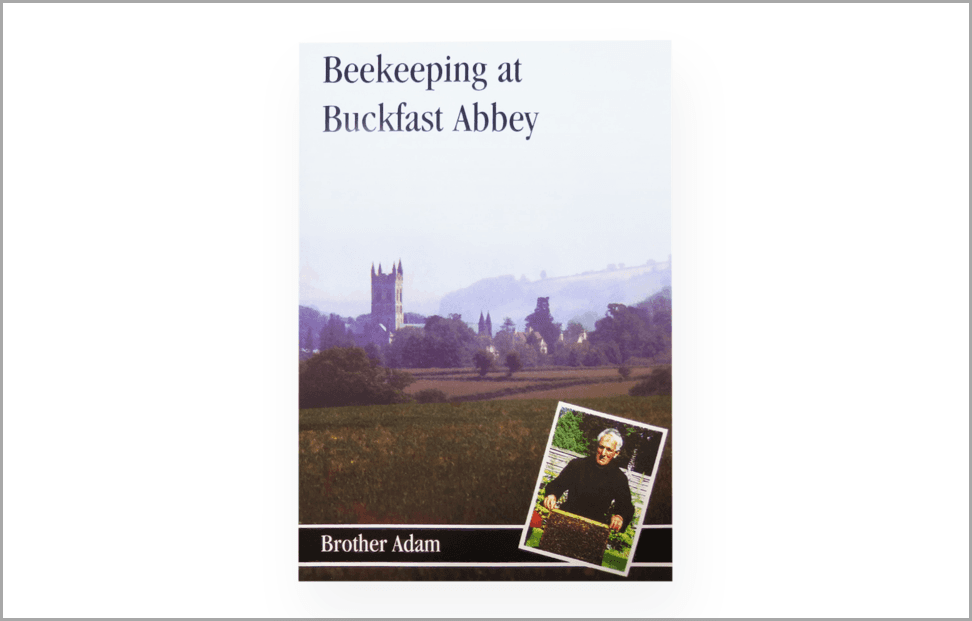
What it’s about: Beekeeping at Buckfast Abbey by Brother Adam offers a unique mix of scientific and monastic insights into hive management and bee genetics. This is an important read for anyone looking to run their own long-term beehives, making it a very popular book, especially the earlier copies, which are now quite rare.
Why We Love it: We loved this book because it took a step away from the technical side of modern beekeeping and instead gave us a taste of how beekeeping used to look during its heyday in the Middle Ages. Several of us were also fascinated by how religious belief impacted the craft and how it shaped the development of beekeeping culture.
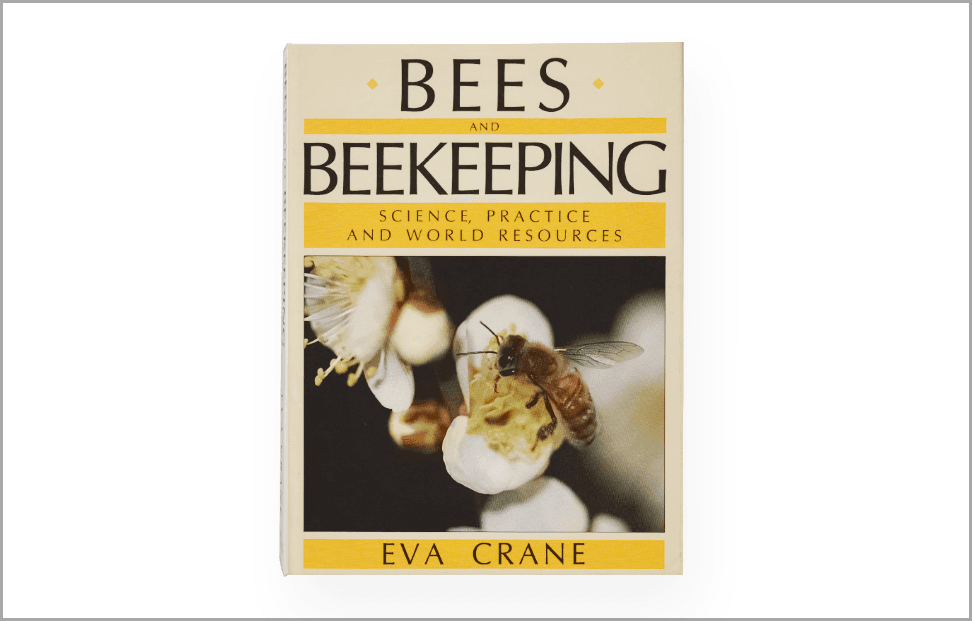
What it’s about: This book is a well-researched and cleverly written overview of the science behind beekeeping. Over its 624 pages, this book covers everything a beekeeper needs to know about how bees operate, from their individual life cycles and pollen gathering habits to hive mentality and nest building techniques. Bees and Beekeeping also explores historical takes on beekeeping, analysing tricks that have worked in the past and techniques that have gradually been replaced with more efficient or sustainable methods.
Why We Love It: This one was a big hit in the office. Being lovers of all things small and wild, we loved getting to know the life of a bee on a macro scale. The amount of information that this book gave us, without being overwhelming, is astounding. This is one that we will be keeping around for a while.
Even if you don’t own these specific titles, many instructional guides, academic texts, or specialist manuals can still fetch decent returns, especially if they’re in good condition.

Whether you have moved on from beekeeping or you have learnt everything that is to learn from your books, selling them is a great way to clear out space and make some extra money. Here are some of the best reasons to sell your beekeeping books:
Make Space: If you have any beekeeping books, you will know that they are not small; they are crammed with detailed diagrams and guides, which means they take up a fair old chunk of shelf space.
Earn Extra Cash: Good quality and sought-after books can often give you a good payout.
Help the Environment: Selling second-hand items to WeBuyBooks ensures they find a second home and remain in use.
Share the Knowledge: Selling your beekeeping books means passing them on to the next generation of beekeepers to learn from and carry on the art.
Selling your beekeeping books is easy, fast, and completely free with WeBuyBooks. Use the following steps to start earning in a heartbeat.
1. Download the App or Visit the Website
You can use the WeBuyBooks app (available on iOS and Android) or head to webuybooks.co.uk.
2. Scan or Enter the ISBN
Each book has a barcode or ISBN number. Scan it using the app or enter it manually in the search bar to get an instant quote.
3. Accept the Offer
If you’re happy with the price, accept the offer and follow the simple instructions.
4. Pack Your Books
Pop your books into a sturdy box. We’ll even send you a free postage label, so there’s no cost to send them.
5. Get Paid Fast
Once we’ve received and checked your books, you’ll be paid via PayPal or bank transfer as soon as they get to us.
Beekeeping books are more than just another book on the shelf; they are a gateway to an ancient craft that we hope will persist for thousands of years to come. Whether you’re decluttering, making room for new interests, or simply letting go of unused items, selling your beekeeping books is a great way to give them new life.
Would you like to continue the conversation? Share this post!





 How It Works
 How It Works
 Get 10% Extra