Last year, our customers made an average of £24.94*selling their books to us.
Sell My Books
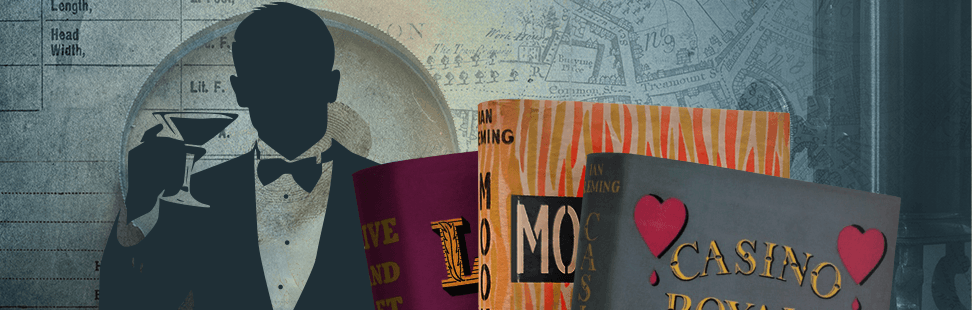
“The names Bond, James Bond”, the catch phrase that has been capturing the hearts and minds of millions since its very first use in the 1953 novel Casino Royale. Since his debut in 1953, James Bond has become an international phenomenon, sparking the imaginations of fans of spy fiction worldwide. The MI6 agent, also known as 007, could be best recognised from string of James Bond movies that have been hitting our screens for the last 60 years, featuring some of the most recognisable Bonds like Pearce Brosnan, Sean Connery, and Daniel Craig, but it was the skilled writings of ex-British Naval Intelligence officer, Ian Fleming, that first brought James Bond into the world.
In this article, we take a deep dive into James Bond’s origins, as we explore the titles first penned by Ian Fleming from his Caribbean home. So, if you are a fan of Mr. Bond, or you think you might have an old copy of Fleming’s works that is worth something, then this is the article for you.
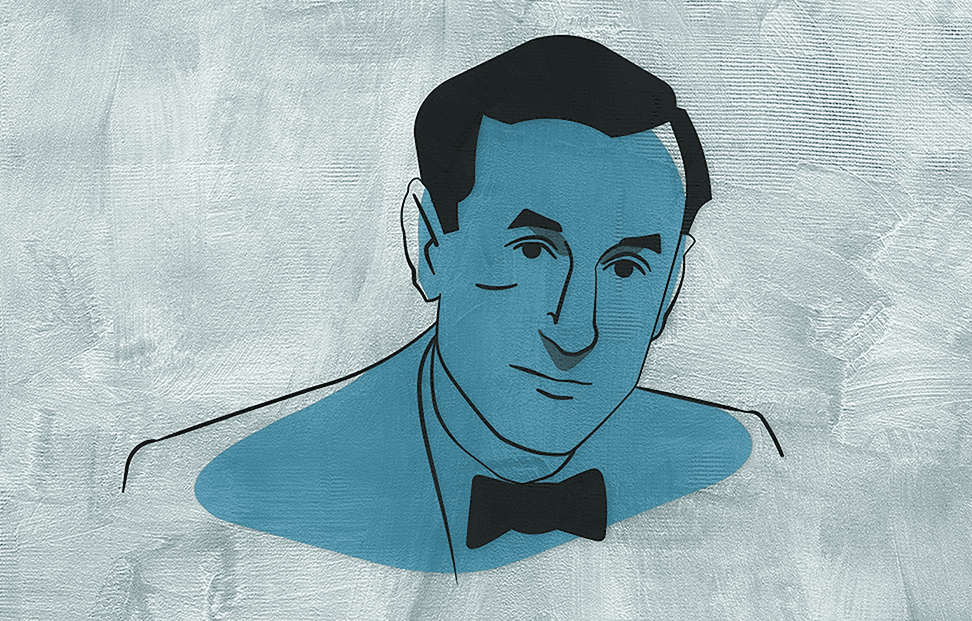
Known today as the writer of James Bond, there is a lot more to learn about the mysterious figure that is Ian Fleming. Coming from a privileged background, his father, Valentine Fleming, was a member of Parliament, a position that gave Fleming’s family a high standing in society at the time. As a young man, Fleming first studied at the prestigious Eton College and then at the Sandhurst Military Academy. He even studied in Europe for a while.
After his studies in mainland Europe, Fleming took on a few jobs in finance and politics before finding a career-worthy opportunity with the renowned news outlet Reuters as a journalist. He only worked at Reuters for three years, during which time he got his first taste of international espionage and propaganda in the intelligence services, experiences that would later be drawn upon for his James Bond novels.
During World War II, Fleming served in British Naval Intelligence, during which time he got a much more intimate insight into the inner workings of secret intelligence services, gaining real experience in international spy work and political espionage. All of this experience heavily influenced the creation of James Bond’s world of spies, gadgets, and high-stakes missions later in his life.
After the War, Fleming settled into a successful career with The Sunday Times as a journalist. He also built the famous “Goldeneye” estate in Jamaica, from which he would go on to write all of his James Bond books. Henceforth, he led a cosmopolitan lifestyle filled with fine dining and fast cars, somewhat reflective of the soon-to-be-famous James Bond.
It was in early 1953 that the world of James Bond began to take shape. Fleming began working on the soon-to-be hit book series while he was holidaying at his Jamaican estate, Goldeneye. In a famous quote, he revealed that he began writing his first James Bond book, Casino Royale, as a distraction from his upcoming wedding to Ann Charteris, whom he married in late 1953.
Given the name ‘James Bond’ inspires thoughts of suave sophistication and cutting-edge action, you might expect to have its origins in some slick british spy Fleming knew from the War, but he originally got the name from the author of a collection of ornithology books that he had, praising it for its “blunt, boring nature”, the perfect name for a undercover secret agent. Over the next 10 years, the classic Bond traits would be developed through the subsequent releases of Live and Let Die (1954), Moonraker (1955), and From Russia, With Love (1957).
Fleming’s past experience with real-life spycraft in the British Naval Intelligence service gave his writing an authentic spycraft edge over the regular detective novels of the time. James Bond novels were famed for their charismatic characters, high-stakes espionage, and intense action, not to mention the glamour, romance, and exotic locations.
Not only were his novels exciting reads, but they were also wracked with realism, which gave readers something to hold on to and relate to their own lives, no matter how far from the truth Fleming could take his plots. He also based a lot of his storylines around the Cold War and the tense power struggle with the Soviet Union, which was an all too real subject for audiences at the time.
Now it's time to look at the books themselves. In total, there are 39 official James Bond books, but contrary to popular belief, Ian Fleming didn’t write all of them. Altogether, six different authors have brought the James Bond world to life. Ian Fleming was the founding father, however, and it was by his hand that the first 14 books were written, including 2 short story collections.
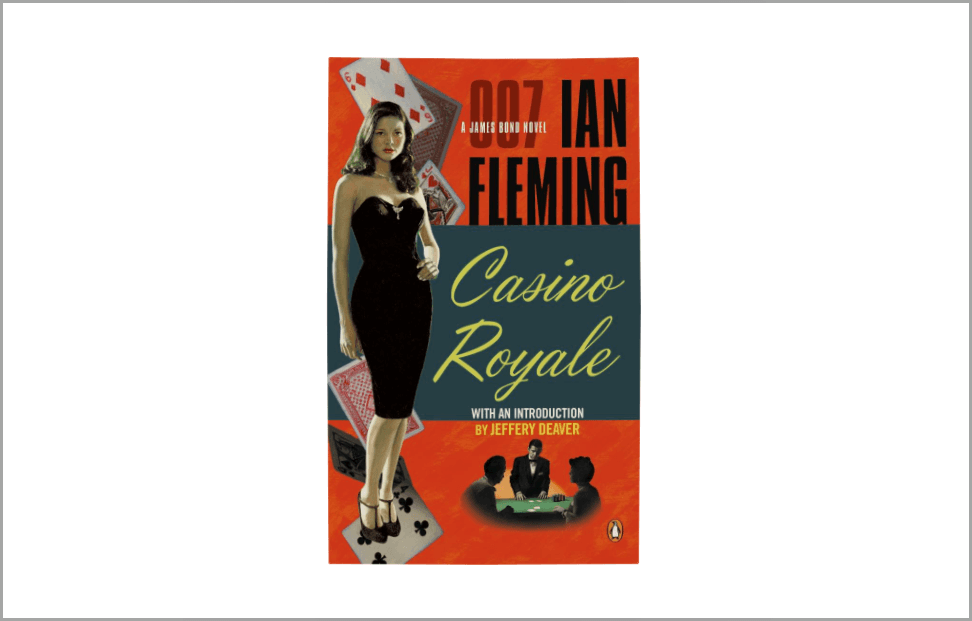
Casino Royale was Bond’s first appearance as he faces down his soviet counterpart, Le Chiffre, in a tense showdown over a game of baccarat. Elegance and sophistication, combined with exciting action, created an immediate hit, sparking the beginning of what would soon become a global phenomenon. Casino Royale stands as a landmark in the action and spy genres, creating one of the most recognisable fictional characters of the modern age.
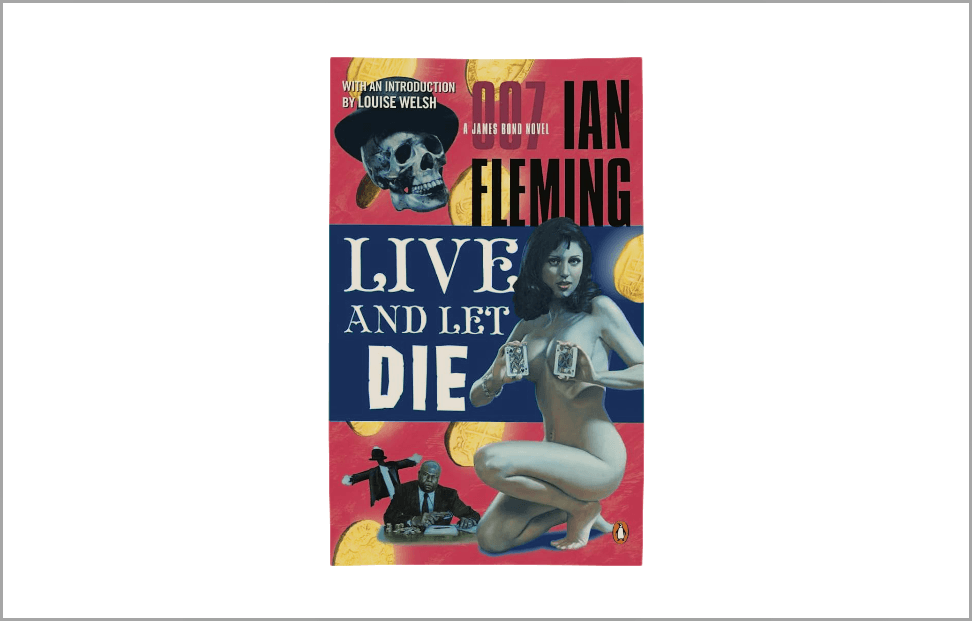
In Live and Let Die, Bond investigates Mr. Big, the Harlem gangster with ties to SMERSH (the soviet counterintelligence agency – a key antagonist in the Bond world). His investigations take him all the way to Jamaica, where he uncovers mysterious voodoo rituals intertwined with secret smuggling operations. Unlike Casino Royale, Live and Let Die blended supernatural elements with Cold War espionage themes, pushing the boundaries of standard fiction in the 1950s.
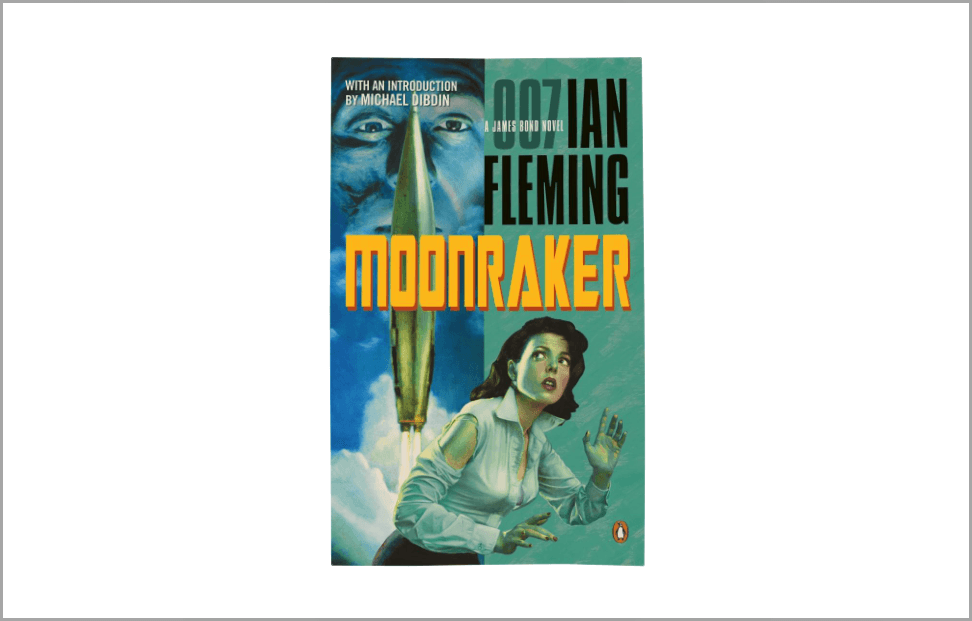
Set entirely in the UK (well, apart from the bit in space), Moonraker follows Bond’s investigation into Sir Hugo Drax, a national hero whose glamorous façade quickly fades when his true identity is revealed. Resonating with public sentiment about the very real threat of nuclear attack during the Cold War, Moonraker sees Bond foil a plot to launch high-tech weaponry from orbit targeted at London.
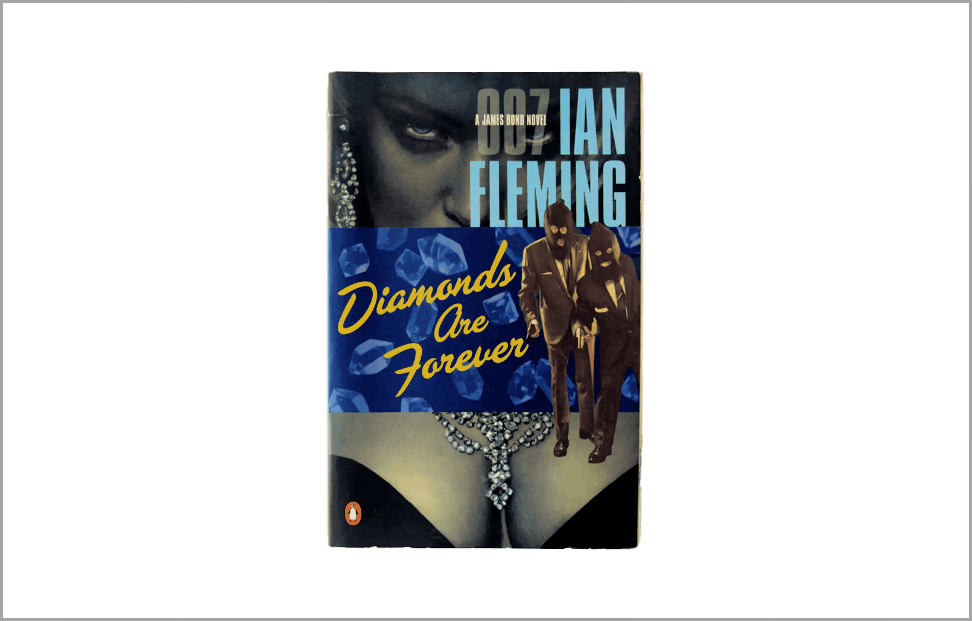
Diamonds are Forever sees Bond, equipped with a full inventory of high-tech gadgets and weapons, travel to Las Vegas to infiltrate a diamond smuggling ring that is set on targeting Washington with a city-destroying laser. The intoxicating cocktail of casinos, action, and glamor, not to mention the generous sprinkling of gadgets and high-tech weaponry, yet again brought Bond into the literary limelight.
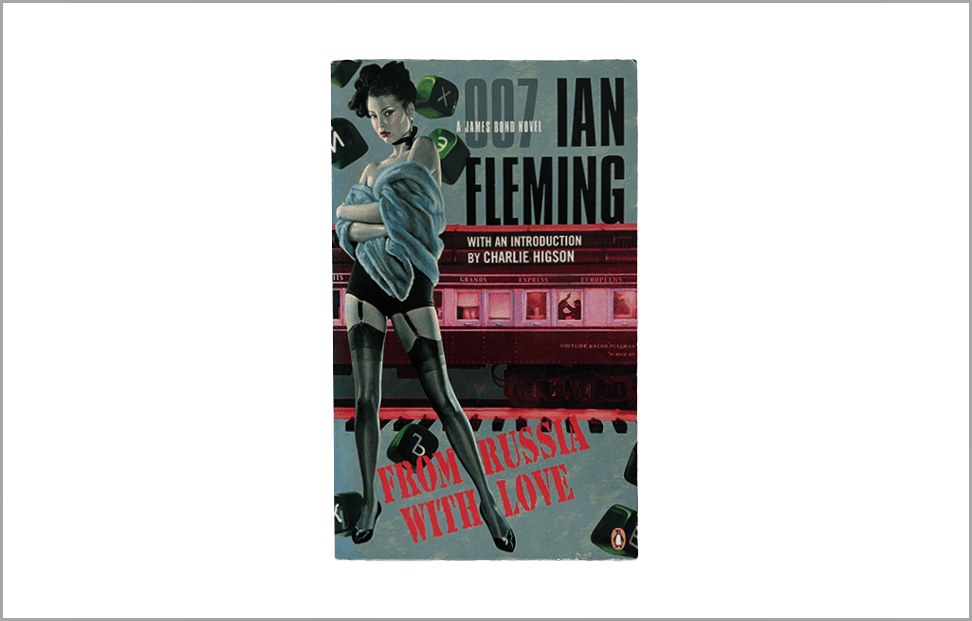
The fifth book in the series, and often regarded as one of Fleming’s best, From Russia, With Love, stages the high-octane international espionage on Russia’s doorstep. Bond must escape the plot to assassinate him and bring down the organisation behind it. The use of iconic locations like the Orient Express, combined with romantic tension between Bond and the Soviet saboteur, Tatiana Romanova, even led US President JFK to declare From Russia, With Love as one of his all-time favourite novels.
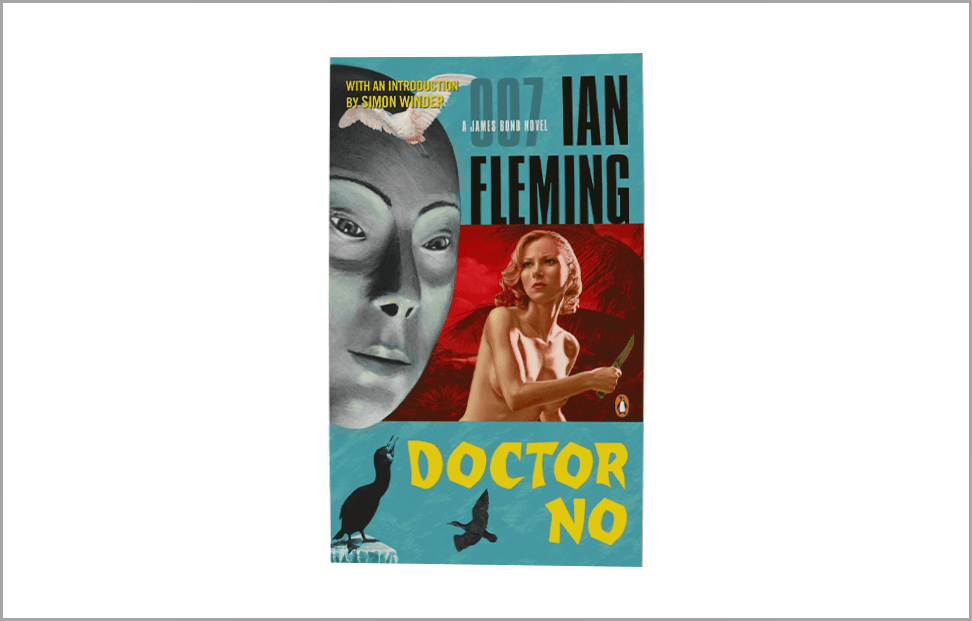
Returning once again to Jamaica, Bond is sent to uncover the truth behind the disappearance of multiple MI6 agents. After uncovering a plot to disrupt American Missile tests, Bond must overcome a host of elaborate traps to put a stop to Dr. No’s grand plan. The exotic locations and larger-than-life villain gave Dr. No a highly cinematic feel, which is probably why it was the first James Bond book to be made into a film.
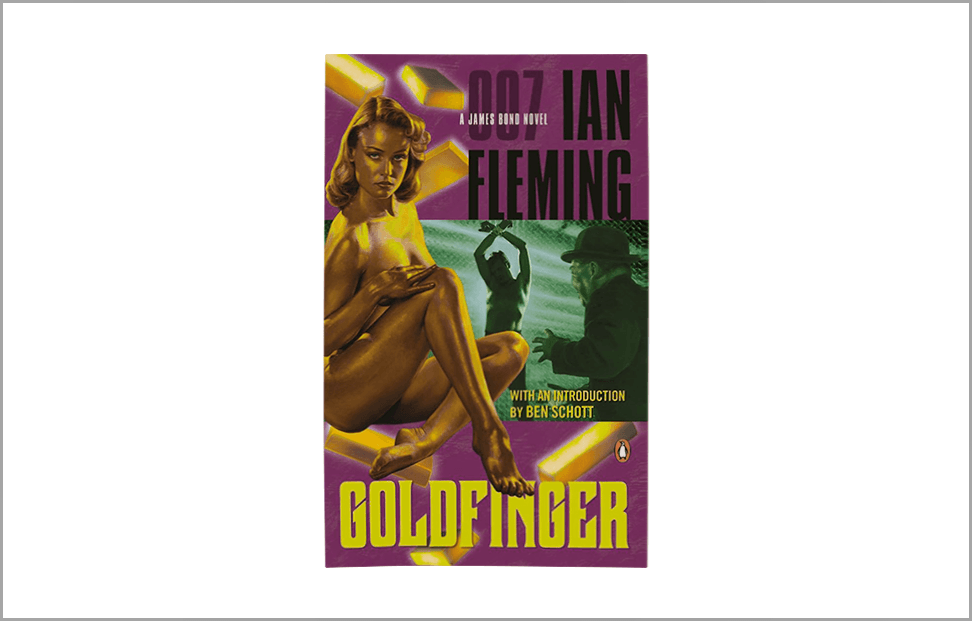
Faced with the destabilisation of the West, Bond must interrupt the schemes of multi-millionaire, Auric Goldfinger, who plans to detonate a nuclear explosive at Fort Knox, irradiating the US gold reserves. Time is of the essence in this novel, and with Goldfinger’s iconic henchman, Odd Job, hot on his heels, Bond has his work cut out. Goldfinger is one of Fleming's most memorable novels, thanks to the unforgettable characters and the high-stakes heist themes.
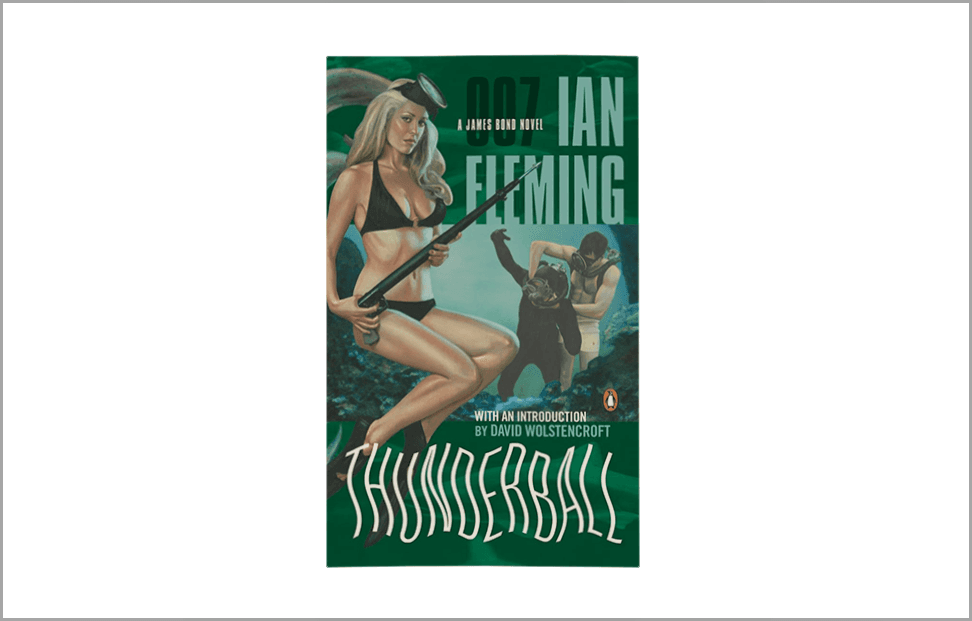
With an ever-growing demand for more James Bond action, Fleming published his next novel, Thunderball, on the 27th of March 1961. In it, Fleming sends Bond to recover two stolen atomic warheads that are set to be used to blackmail Western governments. Thunderball introduced SPECTRE and its leader, Blofeld, two names that became keystones of the Bond universe.
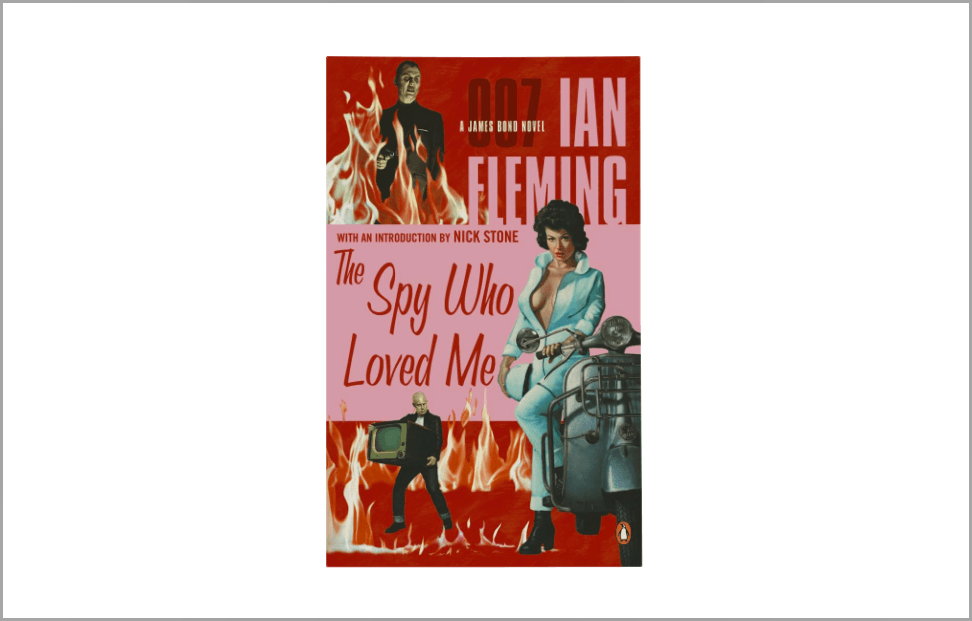
The Spy Who Loved Me features Bond on a very rare holiday, but it turns out that even when he is on vacation, he can’t escape getting into trouble. Fleming took a new approach to this novel as it is told partially from the perspective of Vivienne Michel, a young woman who falls in with a gang of mobsters; Bond is barely present at all in the first half of the novel.
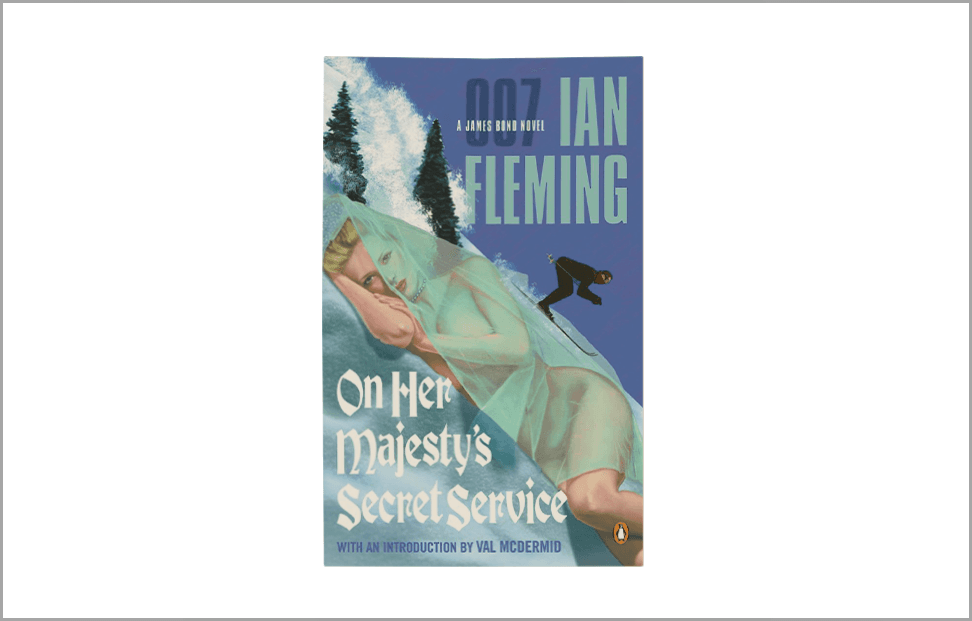
On Her Majesty’s Secret Service takes Bond to the Swiss Alps as he tracks Blofeld, the leader of the criminal organisation SPECTRE, to his lair. In a unique twist, Bond falls in love with and marries the beautiful, yet troubled Teresa “Tracy” di Vicenzo, but with happiness within reach, his new life is ripped out from underneath him by his nemesis, Blofeld, in a cruel act of revenge. On Her Majesty’s Services introduces a relatable side to Bond, humanising him with a story of love and heartbreak.
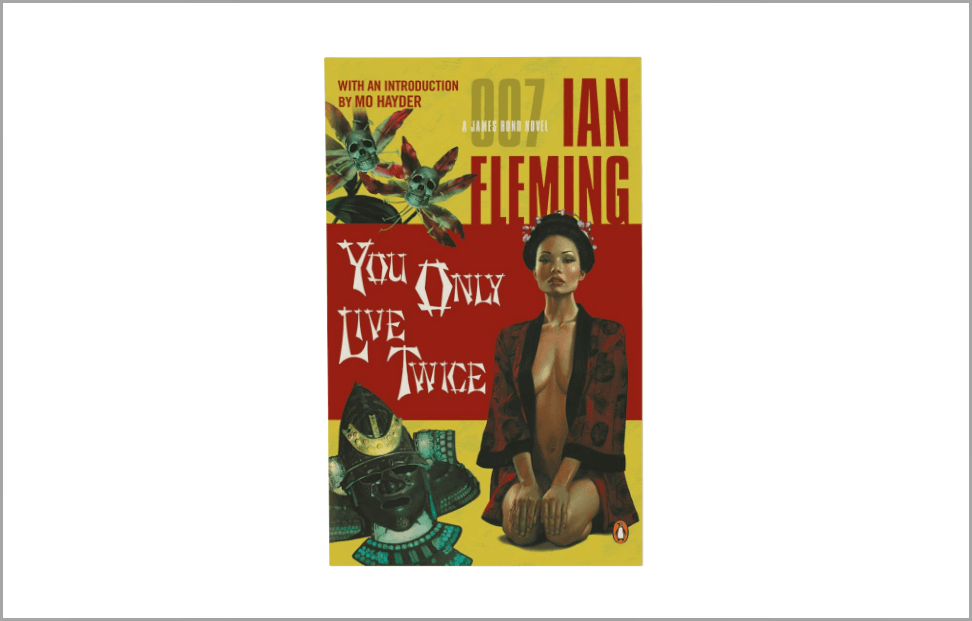
Grieving his dead wife, Bond is sent on a seemingly impossible mission to eliminate Dr. Guntram. As the plot unfurls, Bond discovers that Dr. Guntram is actually his arch nemesis, Ernst Stavro Blofeld. After undergoing rigorous training with the help of Kissy Suzuki, Bond infiltrates Blofeld's fortress, the “Castle of Death”, but his mission ends in calamity, causing him to lose his memory and forcing him to assume the identity of a Japanese fisherman named Taro Todoroki. You Only Live Twice offers a glimpse into Bond's vulnerability as a human while maintaining the archetypal action.
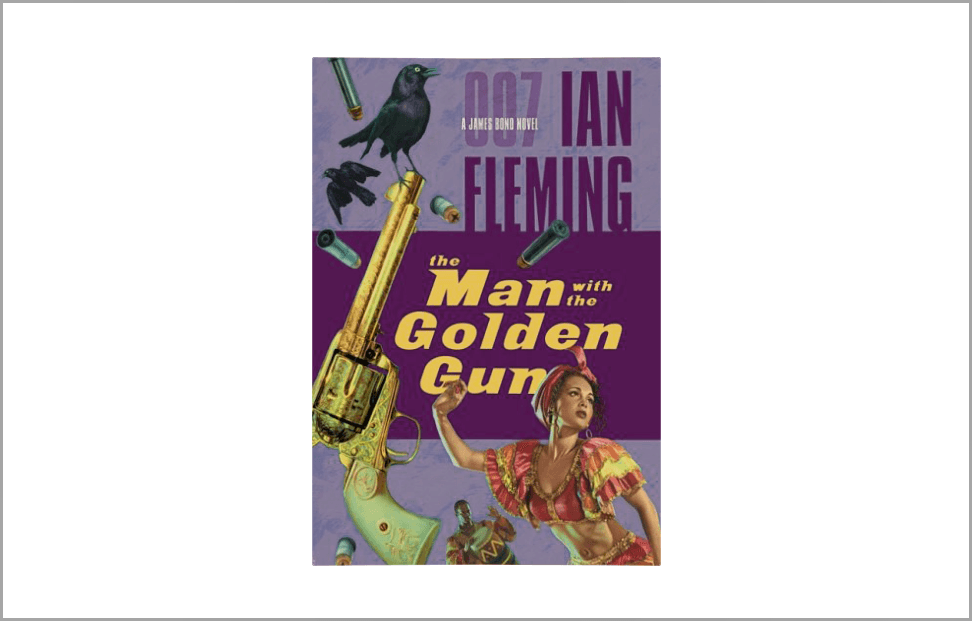
Published posthumously in 1965, The Man With The Golden Gun lacked the detail of his earlier works, due to Fleming's untimely death before he could finish his final draft. Yet, this book was still a best seller and saw a film adaptation in 1974. In The Man With The Golden Gun, Bond has been brainwashed by the Soviets and is sent to assassinate his close friend and boss, M., but he narrowly avoids carrying out this evil plot, and returns to Jamaica to gain the confidence of and eventually eliminate Francisco “Pistols” Scaramanga, the infamous assassin otherwise known as the man with the Golden Gun.
Ian Fleming also wrote two collections of short stories titled For Your Eyes Only, released in 1960, and Octopussy and The Living Daylights, released posthumously in 1966. Each challenged Fleming's standard Bond Novels by offering readers smaller, more digestible spy craft stories to sink their teeth into. Both books were met with outstanding success.
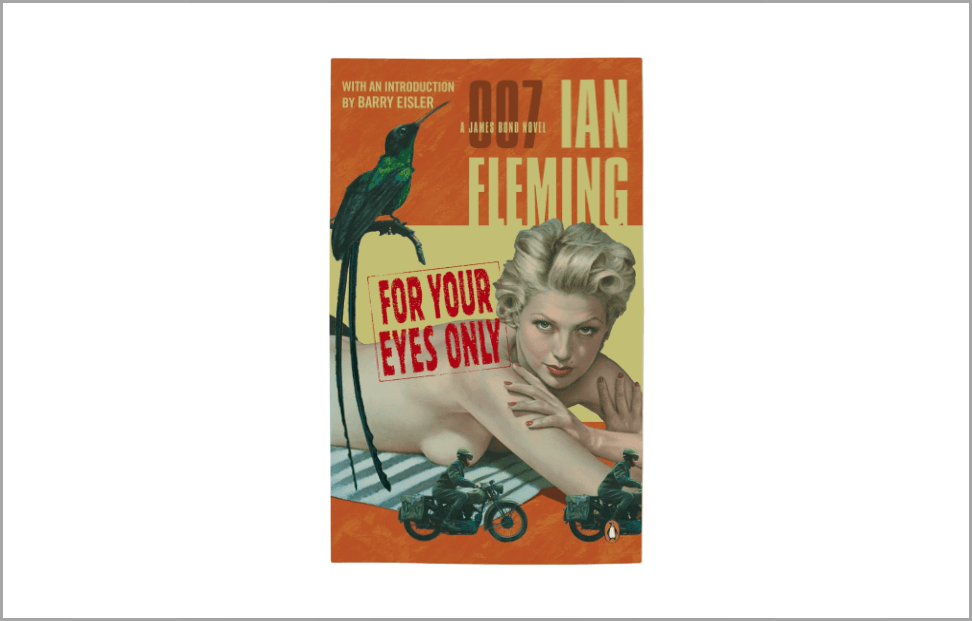
For Your Eyes Only was Fleming’s first short story collection and contained a total of 5 stories:
In From a View to a Kill, James Bond investigates a murder and the disappearance of secret documents in France, only to discover a hidden Soviet base, which, with the help of agent Mary Ann Russell, he promptly blows up.
In this short story, Bond is sent on a voluntary mission to avenge the murder of two of M’s closest friends after they are murdered by two Cuban hitmen under the direction of former Gestapo turned chief of counterintelligence for the Cuban Secret Service, Herr von Hammerstein.
After completing a mission in the Bahamas, Bond finds himself attending a dinner party in Nassau where the host, The Governor, regales him with a story. The story is unique in that it follows a conversation about the “Quantum of Solace” in a relationship, rather than the classic action espionage type.
Fleming upped the stakes in the fourth short story in this collection with Risico. In this mini saga, Bond is sent to Italy to investigate a drug-smuggling ring when he is double-crossed by the CIA agent assigned to the case. After exposing the CIA agent as the kingpin at the head of the whole organisation, Bond must bring it all down.
In a rare turn that portrays James Bond skewing the course of justice, The Hilderbrand Rarity follows 007 after he goes to the Seychelles to assist millionaire Milton Krest in finding a rare fish. After Krest is suspiciously killed, Bond disposes of the body and cleans the scene, leaving him to wonder who killed him.
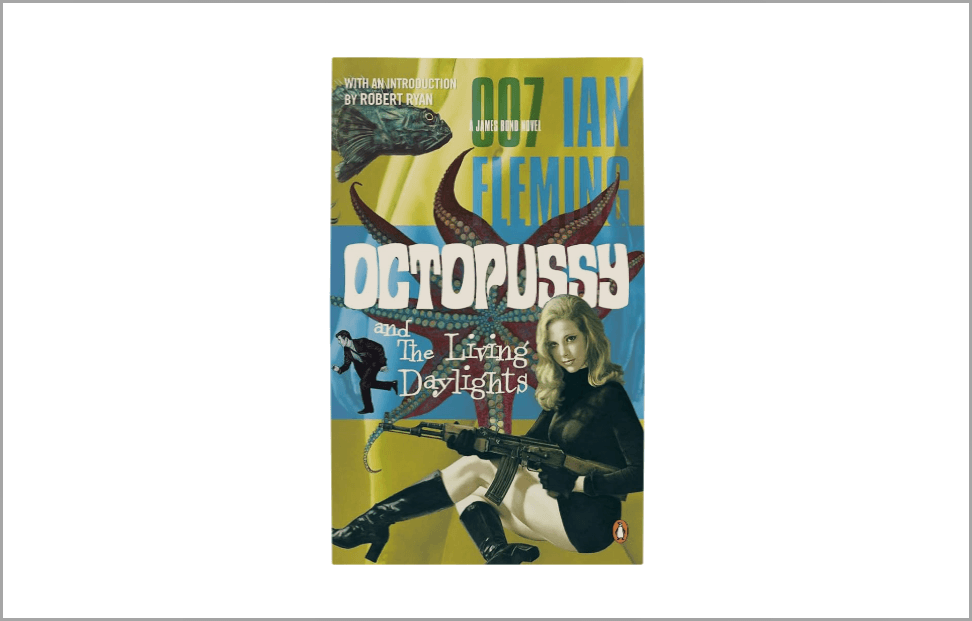
Published posthumously in 1966, Octopussy was the second short story collection and the last of Fleming’s books to be published. The very first edition of this book included just one short story: “Octopussy and The Living Daylights”, but a second was soon added, “The Property of a Lady”. A third and final story was added to the 2002 rerelease, “007 in New York”.
‘Octopussy and The Living Daylights’ is the longest of Fleming's posthumously released short stories, and it tells the tale of retired British Major Dexter Smythe, when his shady past comes back to haunt him. This bond story focuses more on the study of a man’s decline as he faces a reckoning for his past deeds, rather than the typical espionage action.
In Property of a Lady, Bond attends the auction of a Fabergé egg, which turns out to be a trap for double agents embedded in MI5. This short story is a throwback to the classic Cold War era espionage plots that put James Bond on the map.
007 in New York follows Bond as he travels to New York to warn a fellow agent that her new boyfriend is a soviet counterintelligence agent. This short story, as well as being another classic example of the traditional spy adventure, features Bond’s lengthy musings and criticism of New York life.
Just like most other novels out there, there are going to be first editions, and those first editions are going to be unique. Partially thanks to the success of the James Bond franchise today, and partially due to the scarcity of genuine copies, first-edition James Bond Books are incredibly rare and, in many cases, incredibly valuable. Do you think you might have a first-edition Ian Fleming book on your bookshelf? Let’s dive in and uncover more.
First edition copies of a book are books that are part of the very first version of a book to be released, before any changes or updates can be made to the original text or imagery. You also have first printings, which are slightly different in the fact that first printings are books that were part of the very first print run of a book’s edition, bearing in mind that each edition can have multiple print runs. A first printing of a first edition is called a true first edition, and these are held in particularly high regard when it comes to rarity.
So, let’s take a look at some of the rarest first edition Ian Fleming books around the world and how much they could be worth:
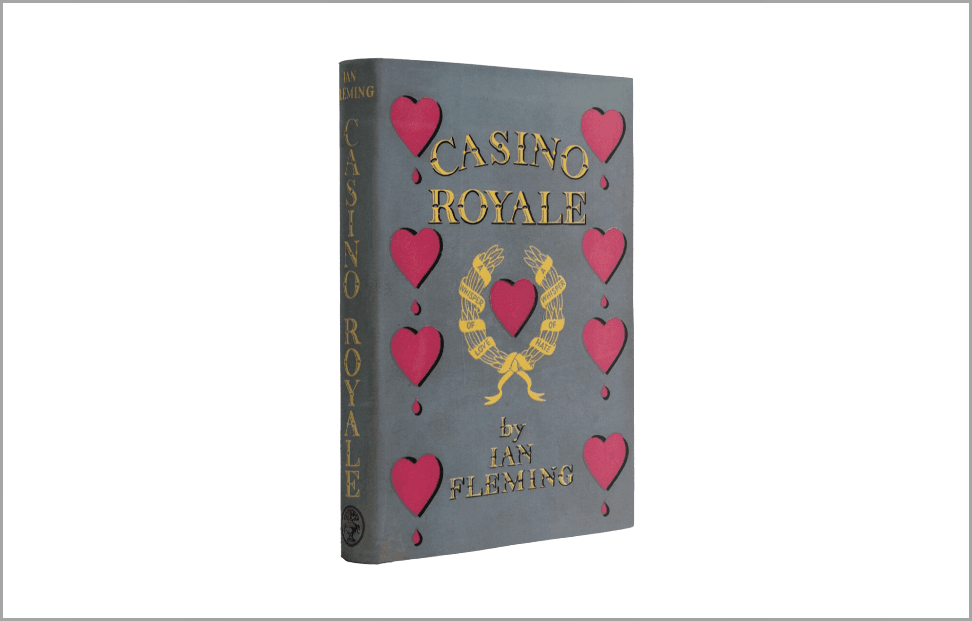
Why it’s rare: Being Ian Fleming's first James Bond book, it has an inherent value to any collector, and adding to this value is the fact that there were only 4,728 copies printed in the first print, most of which were sent to libraries, making existing copies exceptionally rare.
Value: A true first edition copy of Casino Royale, in good condition, with its original dust jacket, can be worth up to £30,000–£50,000+ at auction. If you’re lucky enough to be the owner of a signed copy in good condition, you could be looking at a price tag of around £100,000.
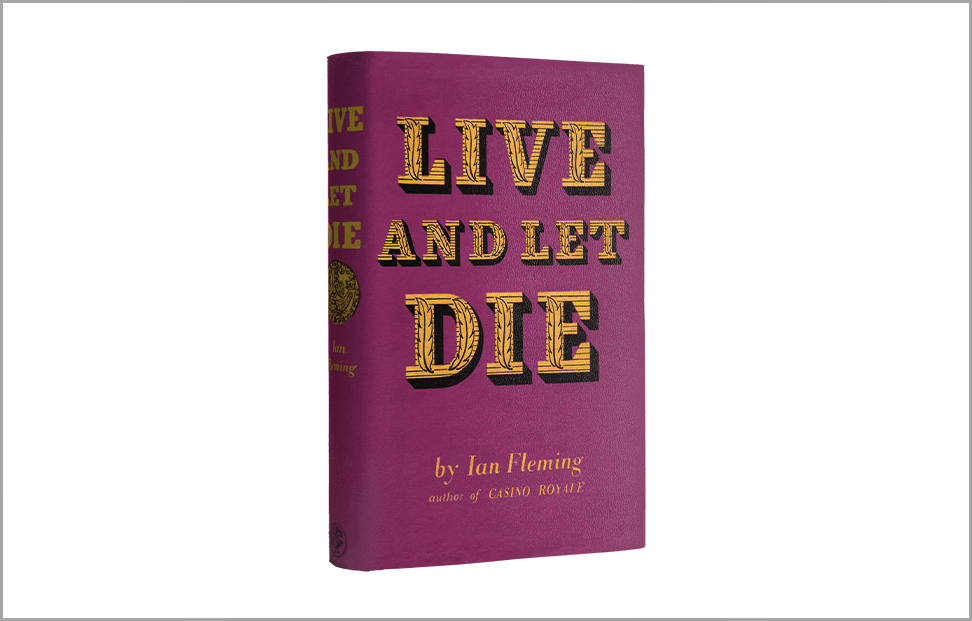
Why it’s rare: Even though it was Ian Fleming’s second novel after the success of his first 007 novel, Live and Let Die still had a relatively small first print run consisting of only 7,500 copies. This means that true first-edition copies of Live and Let Die, especially ones in good condition, are very hard to find.
Value: Copies of Live and Let Die, in good condition that still have their original dust jackets, can be worth over £20,000. Estimation may vary slightly based on condition, but they maintain their value incredibly well.
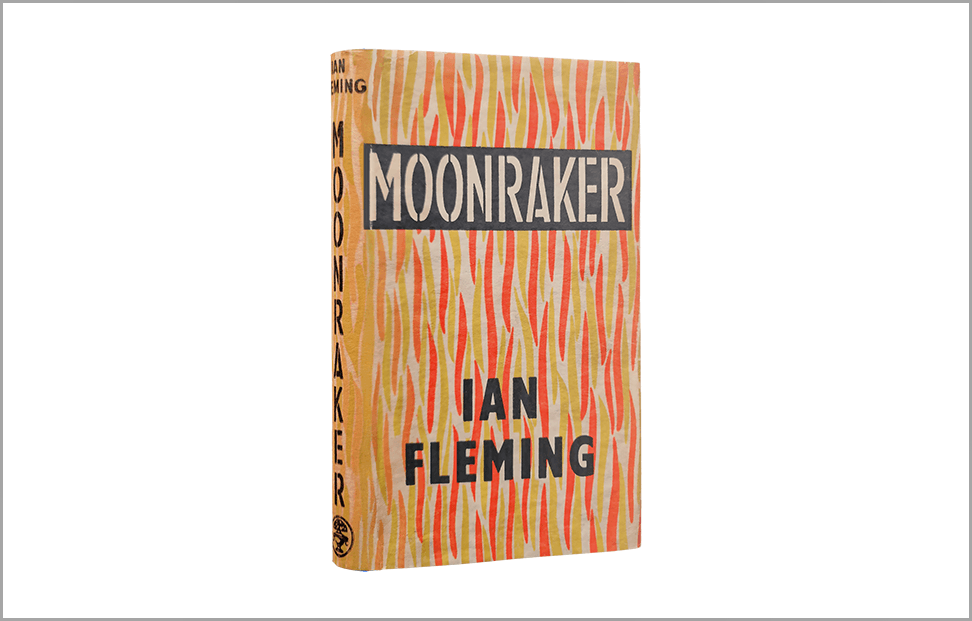
Why it’s rare: The third James Bond book to be released, Moonraker was easily recognised by Richard Chopping’s striking artwork on the original dust jackets. The very first print run of this book consisted of only 9,900 copies, so coming by a copy today is hard.
Value: While most first edition copies can have a price range of between £3000 and £15,000, copies in mint condition with the original Richard Chopping illustrated dust jackets have been known to fetch a price tag of over £20,000.

Why it’s rare: While Fleming’s James Bond was already popular by the release of From Russia, With Love, but when President John F. Kennedy stated that it was one of his favourite books, its fame went through the roof. By this point, the publisher of the James Bond series was gaining confidence in the book’s success, leading to a much larger first print run consisting of around 20,000 copies.
Value: Thanks to the popularity and rarity of first edition copies of From Russia, with Love, they are usually valued at auction for around £2000 to £10,000, depending on condition, but in cases where the book is in near-perfect condition with its original dust jackets, it can be valued at over £15,000.
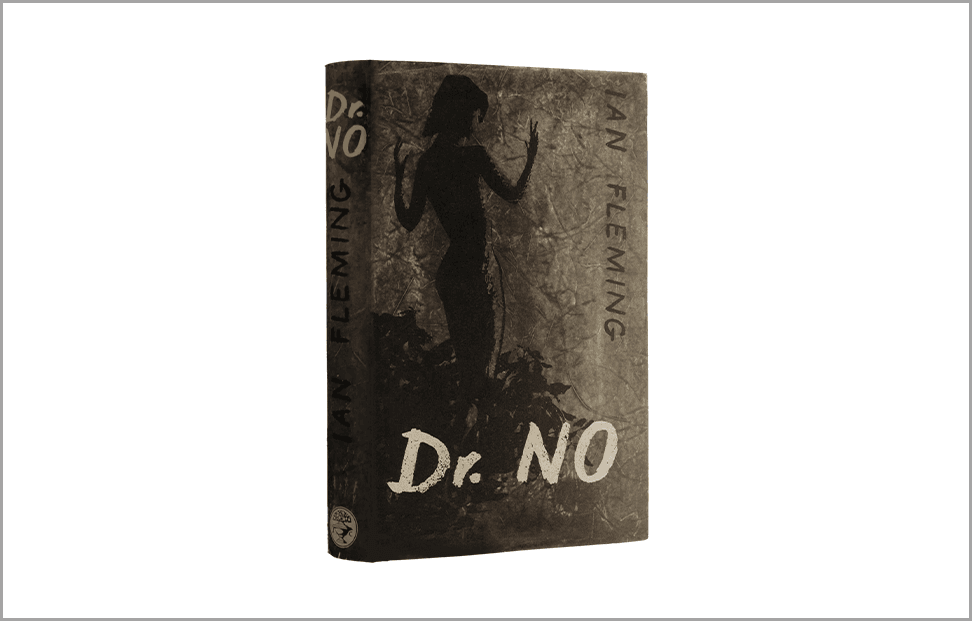
Why it’s rare: Because Dr. No was the first book to be adapted into a film, it is sometimes mistaken for Fleming’s first book, but as you now know, it was actually the sixth appearance of James Bond. By the time Dr. No was released, Bond already had international recognition, meaning it saw more copies printed in the initial print run, which consisted of 20,000 copies.
Value: Thanks to high demand around the globe, the first print run of Dr. No was rapidly dispersed worldwide, making copies surprisingly hard to find today. Each true first edition of Dr. No has a price of around £1000 to £6000 in most cases, but for copies in pristine condition with the original dust jackets, the price tag could reach £10,000.
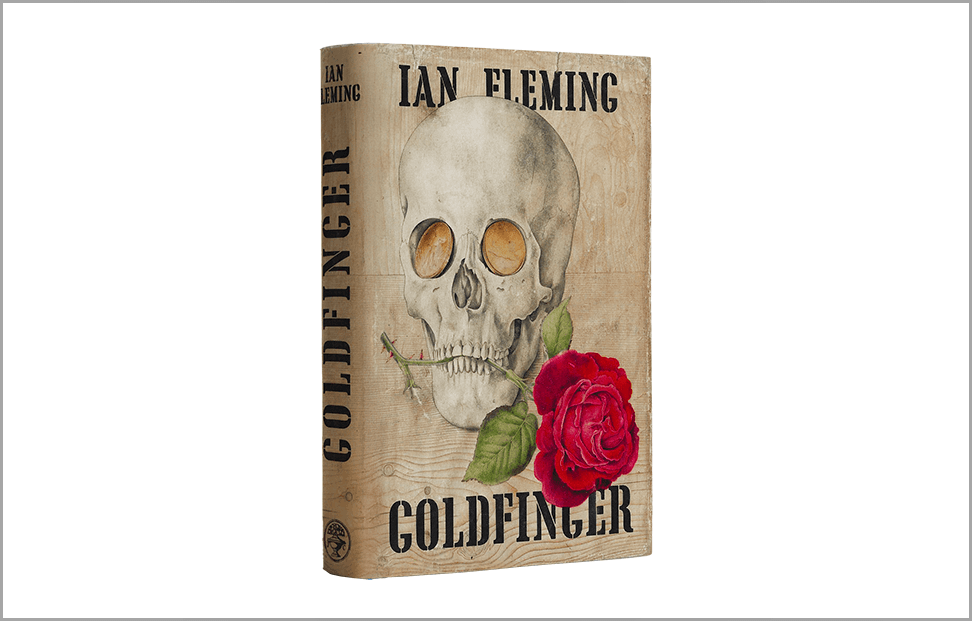
Why it’s rare: Made popular by its memorable villains and the first appearance of the iconic Aston Martin DB3, this is certainly one of the most well-known Bond titles. Goldfinger still has a good number of copies in circulation, although most are well-read and showing signs of heavy use.
Value: Goldfinger had a slightly larger first print run of 24,000 copies. The widespread love of the series means that first edition Goldfinger books aren’t too hard to find compared to some other early titles; even so, copies can still be worth around £1000-£6000, but mint copies with the original dust jacket can break the £10,000 mark.
If you have found yourself with a stack of old James Bond novels, your best option could be to sell them. That begs the question: How do you sell them? Whether you have a full collection of bond books or an old, signed copy, WeBuyBooks provides an easily accessible platform for you to evaluate and sell them.
The process is simple; all you need to do is visit the WeBuyBooks homepage and enter your book’s ISBN number or head over to the app and scan the barcode for an instant valuation. If your book doesn’t have an ISBN, send us an email with a description and a few pictures of your book, and our specialist team will get back to you as fast as they can.
So that concludes our exploration into the world-famous works of Ian Fleming and the adventures of James Bond. Whether you have an extensive collection of books you want to sell or you are just a fan of 007, we hope that you have found the information you need.
Would you like to continue the conversation? Share this post!





 How It Works
 How It Works
 Get 10% Extra