Last year, our customers made an average of £24.94*selling their books to us.
Sell My Books
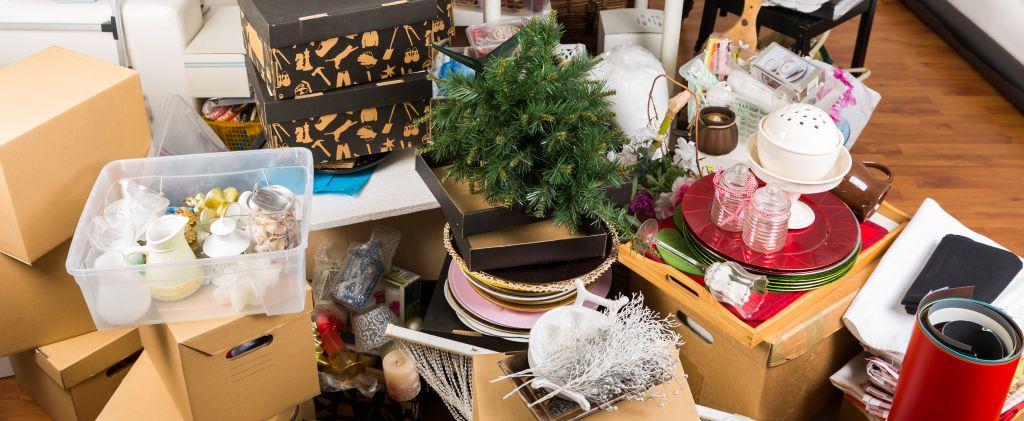
Clutter has a way of creeping up on you. One minute everything feels fairly under control, and the next you’re opening drawers that won’t shut properly and wondering where half your stuff even came from. It usually builds up quietly. A few things left on the side, a pile you meant to sort, a cupboard you keep shutting and ignoring. Before long, it can start to feel like you’re living in a bit of a jumble sale.
The good news is you don’t need to do it all at once. You just need to know where to start. In this guide, we’ll walk you through how to declutter your home step by step, with tips from professional declutterers, the most common mistakes to avoid, and what to actually do with everything once you’ve sorted it.

In simple terms, decluttering means going through your belongings and removing anything you no longer need, use or want. It is about reducing what you have, not just moving it around. It’s easy to confuse with tidying, but they are not the same thing.Tidying makes a space look better for a while. Decluttering actually reduces what you have to manage in the first place. One is a temporary fix, the other actually solves the problem.
| Tidying | Decluttering | |
|---|---|---|
| What it does | Moves things around | Removes things completely |
| How long it lasts | Temporary | Long-term change |
| The result | Organised clutter | Less clutter overall |
| How it feels | Never-ending | Gets easier over time |
Once you start properly decluttering, things tend to feel easier quite quickly. Less to clean, less to organise and fewer things getting in the way.

Clutter is not just about how things look. It affects how your home works and how you feel in it day to day. As Kate Ibbotson, founder of A Tidy Mind, puts it:
When things build up it becomes harder to clean, harder to relax and much easier to let everything spiral. Once you start clearing things out, even in small areas, you notice the difference pretty quickly:
You do not need to tackle everything at once. Small progress is always better than no progress.
The biggest mistake people make is trying to do the entire house in one go. You pull everything out, run out of steam halfway through and end up sitting in the middle of a bigger mess than you started with. A step-by-step approach works much better.
Seriously, start small. A single drawer, one shelf or even just a surface is enough to begin with. As Katie The Clutter Fairy puts it:
It does not feel like much but these small wins build momentum. Once you can see a difference, the next bit feels far less daunting. Try setting a timer for five minutes and just seeing how much you can get done. It takes the pressure off, gets things moving and you can even rope the kids in and make it a competition if you want to make it slightly more entertaining.
As you go through things, split everything into four piles:
Avoid the maybe pile at all costs. That is where things go to live forever without ever being dealt with.
Not sure about something? Keep the decision simple:
Still not sure? Try the 20/20 rule. If you can replace something for under £20 and find it again in less than 20 minutes, it is usually safe to let it go.
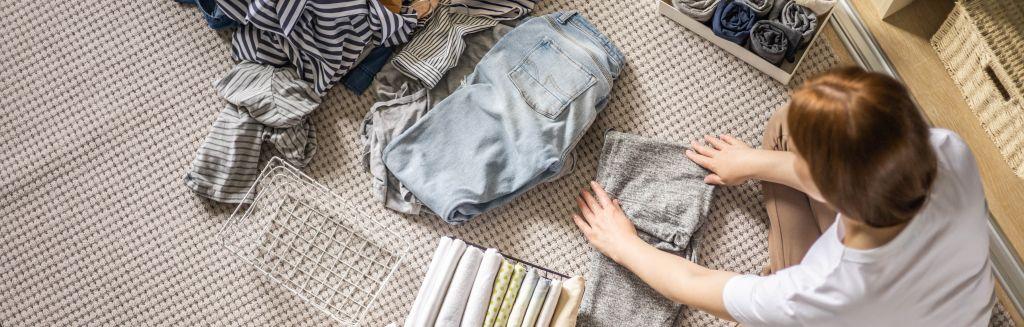
Instead of going room by room, try grouping similar things together. All your clothes in one place, all your books together, all your paperwork in a pile. Seeing everything at once makes it much easier to spot how much you actually have and helps you make quicker decisions without having to keep going back and forth between rooms.
Sorting is one thing. Actually getting rid is where most people get stuck. Bags left sitting in the hallway have a funny habit of slowly unpacking themselves over the next few weeks. Get things out as soon as you can while you still have the momentum, otherwise you will find yourself fishing things back out and convincing yourself you might need them after all.
You do not need a strict routine, just a few small habits. Put things back where they belong, keep surfaces clear and think before you buy. Once you have done the hard work, a simple one in one out rule stops things from creeping back up again.
Kitchens are brilliant at hiding clutter in plain sight. Drawers fill up, cookbooks pile up, things get pushed to the back of cupboards and worktops end up covered in cooking gadgets. Do you really need that bread maker recipe book from 2009? Thought not. Remember that having clearer worksurfaces makes wiping the tops down much quicker.
Bathrooms are surprisingly good at collecting things given how small they usually are. Bottles build up, drawers fill up and suddenly you have seven half-empty shower gels and no idea where they all came from.
Bedrooms are where clutter tends to build up quietly, especially with clothes. It is often the stuff you meant to sort weeks ago but never quite got around to.
Living rooms often become a bit of a dumping ground. Things get left there 'for now' and slowly take over until the space starts to feel busier than it should.
Books are one of the easiest things to build up without noticing. Shelves fill up slowly and it is easy to leave them there even if you are never going to read them again. If any of these sound familiar, it probably does not need to stay:
And rather than letting them gather dust, you can sell your unwanted books to WeBuyBooks, get a quick valuation and send them off with free postage. It takes minutes and you get a bit of extra cash in your pocket rather than a shelf full of books you are never going to touch again.
Most of the frustration with decluttering comes down to a few habits that are easy to fall into:
If it starts to feel overwhelming you are almost certainly trying to do too much at once, so scale it back and start smaller.
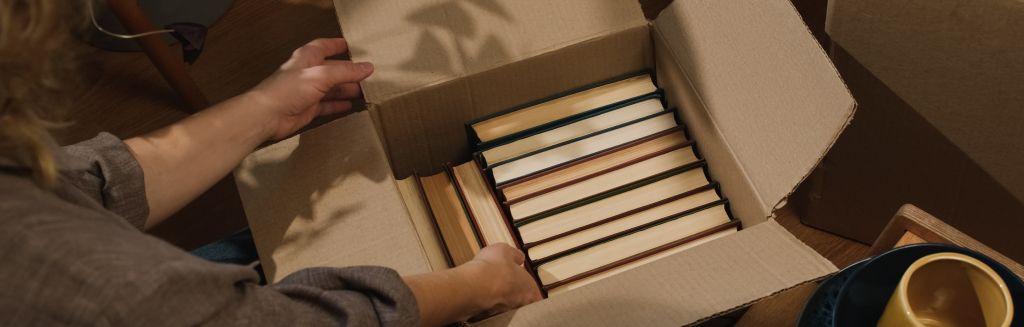
Sorting everything into piles is the easy bit. Getting things out of the house is where most people get stuck, and bags left sitting in the hallway have a funny habit of slowly unpacking themselves.
| Option | Best for |
|---|---|
| Sell | Books, games, CDs, DVDs, Lego, valuable items |
| Donate | Clothes, usable household goods |
| Recycle | Broken or unusable items |
And rather than letting them gather dust, you can sell your unwanted books, CDs, DVDs and games to WeBuyBooks. Scan the barcodes, get an instant valuation and send everything off with free postage. It is a lot easier than listing things individually and you get a bit of extra cash for your trouble too. You can also sell Lego sets to WeBuyBricks.
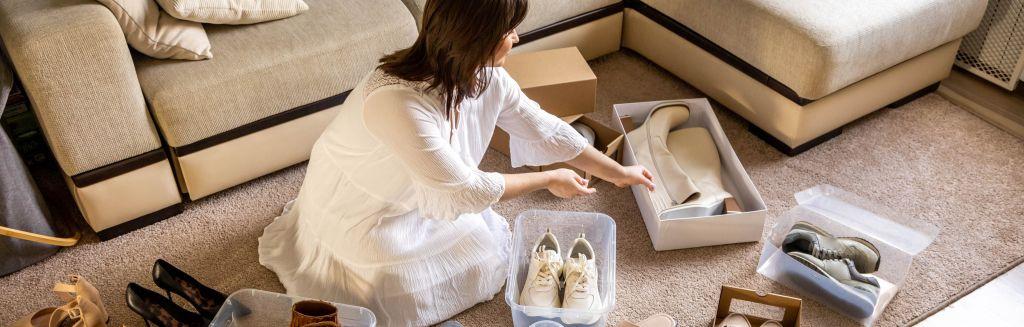
You do not need a complicated system to stay on top of things. Most professional organisers keep it pretty simple and it usually comes down to a few habits they stick to consistently:
Consistency matters far more than motivation. Short regular sessions beat big occasional overhauls every single time.
If you ever get halfway through and lose track of what you’ve done or what still needs doing, a simple checklist can make a big difference. It can keep you focused, stop you going round in circles and gives you that satisfying feeling of ticking things off as you go.
Ready to make more space at home? Take a look at our room-by-room decluttering checklist to help you get started.
Decluttering your home is not about having a perfect space. It is about making your home easier and more enjoyable to live in, and the hardest part is almost always just getting started. Once you do, even in a small way, you tend to notice the difference pretty quickly. Things feel lighter, easier to manage and less stressful day to day. Most people wish they had done it sooner.
And if you have got books, CDs, DVDs or games to get rid of, sell them to WeBuyBooks. Get an instant valuation, send everything off with free postage and get paid the next day. Job done.
Would you like to continue the conversation? Share this post!





 How It Works
 How It Works
 Get 10% Extra