Last year, our customers made an average of £24.94*selling their books to us.
Sell My Books
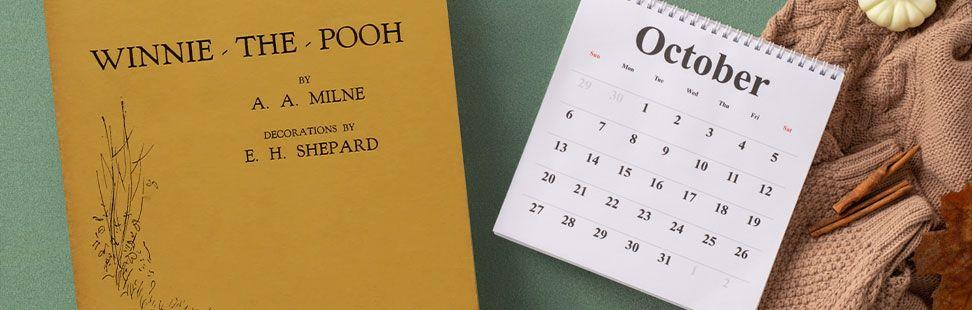
October is a month filled with fascinating moments from literary history. From the publication of beloved children's classics to the debut of iconic comic strips and the birth of celebrated authors, plenty has happened in the world of books and writing during this month.
So, in typical WeBuyBooks fashion, we've taken some time to look back through history and explore five amazing literary events that took place in October. From Winnie-the-Pooh to Moby-Dick, these moments have helped shape the books, characters and stories that generations of readers continue to enjoy.
So sit back, put the fire on and join us as we take a trip through some fascinating moments in literary history!
October has seen several important events in literary history, including the publication of Moby-Dick by Herman Melville on 18 October 1851, the first appearance of Peanuts by Charles M. Schulz on 2 October 1950, and the publication of A. A. Milne’s Winnie-the-Pooh on 14 October 1926. October is also associated with famous fictional characters, influential authors and literary milestones that have shaped books and reading culture over the years.
Here are five notable events from literary history that took place during the month:
1. 18 October 1851: The first British edition of Herman Melville's Moby-Dick, published as The Whale, is released.
2. 14 October 1892: The first collection of The Adventures of Sherlock Holmes is published.
3. 28 October 1903: Celebrated English novelist and satirist Evelyn Waugh is born.
4. 14 October 1926: A. A. Milne's Winnie-the-Pooh is first published.
5. 2 October 1950: Peanuts makes its debut in newspapers across the US.
Let's take a closer look at each of these fascinating moments and discover why they remain important parts of literary history.
18 October 1851
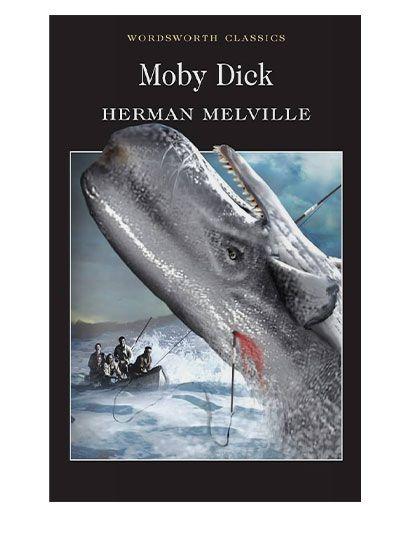
Written by American author Herman Melville, Moby-Dick was first published in London on 18 October 1851 under the title The Whale. The American edition, titled Moby-Dick; or, The Whale, was published later that year. Today, the novel is widely regarded as one of the greatest works of American literature.
The novel follows Ishmael, a sailor who joins the crew of the whaling ship Pequod. The voyage is led by Captain Ahab, who is obsessed with hunting the enormous white whale, Moby Dick, after losing his leg in a previous encounter with the animal.
Following its publication, Moby-Dick inspired adaptations across a variety of platforms, including film, television, theatre and visual art. More than 170 years after its publication, Melville's classic continues to be read and studied around the world.
14 October 1892
The first collection of The Adventures of Sherlock Holmes was published on 14 October 1892. Sherlock Holmes had first appeared five years earlier in Arthur Conan Doyle's A Study in Scarlet, but the detective's popularity grew significantly following the publication of a series of short stories in The Strand Magazine.
The collection contained 12 short stories, including A Scandal in Bohemia, The Adventure of the Engineer's Thumb and The Adventure of the Beryl Coronet. Following its success, Conan Doyle continued to write stories featuring the famous detective, helping to establish Sherlock Holmes as one of the most recognisable fictional characters in literature.
The Adventures of Sherlock Holmes has since been adapted for a wide range of platforms, including film, radio and television, ensuring that Conan Doyle's famous detective continues to entertain audiences around the world.

28 October 1903
The great Evelyn Waugh was born on 28 October 1903 and went on to become one of the most celebrated English novelists and satirists of the 20th century.
Waugh is best known for novels including Decline and Fall, A Handful of Dust, Brideshead Revisited and The Loved One. His father, Arthur Waugh, was managing director of the publishing company Chapman & Hall, while Waugh himself initially considered becoming an artist before turning to writing.
After leaving Hertford College, Oxford, without completing his degree, Waugh briefly attended art school before working as a schoolmaster. His experiences teaching at schools in England and Wales later provided material for his first novel, Decline and Fall, which was published in 1928.
Waugh's first published book was a biography of the Pre-Raphaelite artist Dante Gabriel Rossetti, also published in 1928. He went on to enjoy a long and successful career, producing novels, biographies, travel books and other works that established him as one of the leading writers of his generation.

14 October 1926
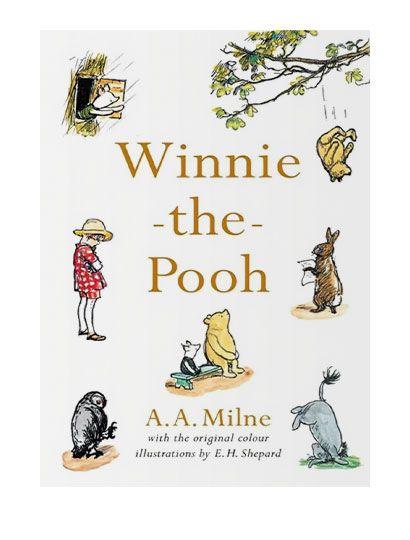
Winnie-the-Pooh by A. A. Milne was first published on 14 October 1926, introducing readers to the much-loved bear and his friends. Milne drew inspiration from his son, Christopher Robin, and his collection of stuffed animals, including the teddy bear that inspired Winnie-the-Pooh.
As Christopher Robin's collection of toys grew, so did Milne's inspiration, leading to more stories and characters including Piglet, Eeyore, Kanga, Roo, Rabbit, Owl and Tigger. The Hundred Acre Wood and its characters have since become some of the best-known creations in children's literature.
There have been many adaptations of the Winnie-the-Pooh stories for television, radio and film, most famously by Disney. The character has continued to entertain generations of readers and audiences around the world.
Winnie-the-Pooh became more than a collection of children's stories, growing into a much-loved literary legacy that continues to live on today.
2 October 1950
On 2 October 1950, Peanuts made its debut in seven newspapers across the US. Created by Charles M. Schulz, the comic strip introduced readers to characters who would go on to become household names, including Charlie Brown, Snoopy, Lucy and Linus.
Written and illustrated by Schulz, almost 18,000 original Peanuts comic strips were published during his career. The strip eventually appeared in around 2,600 newspapers across 75 countries and was translated into 21 languages. Its popularity also led to numerous television specials, films and other adaptations.
On 3 January 2000, the final original Peanuts comic strip was published, one day after Schulz's death. No new original comic strips have been produced since, although older strips continue to be published in newspapers around the world.

Several famous books were published in October, including A. A. Milne's Winnie-the-Pooh, first published on 14 October 1926, and Herman Melville's The Whale, the first British edition of what became known as Moby-Dick, published on 18 October 1851.
14 October is an important date in literary history. A. A. Milne's Winnie-the-Pooh was first published on 14 October 1926, while Arthur Conan Doyle's The Adventures of Sherlock Holmes was published on 14 October 1892.
Winnie-the-Pooh by A. A. Milne was first published on 14 October 1926. The stories were inspired by Milne's son, Christopher Robin, and his collection of toys, including the teddy bear that inspired Winnie-the-Pooh.
The first British edition of Herman Melville's Moby-Dick was published in London on 18 October 1851 under the title The Whale. The American edition, titled Moby-Dick; or, The Whale, was published later that year.
Sherlock Holmes first appeared in Arthur Conan Doyle's A Study in Scarlet, published in 1887. The character later became widely popular through the short stories published in The Strand Magazine, which were collected in The Adventures of Sherlock Holmes in 1892.
Charles M. Schulz's Peanuts comic strip was first published on 2 October 1950. It went on to become one of the most popular and influential comic strips in the world, featuring characters including Charlie Brown, Snoopy, Lucy and Linus.
Several well-known authors were born in October, including Evelyn Waugh, who was born on 28 October 1903. Waugh became one of the most celebrated English novelists and is best known for works including Decline and Fall, A Handful of Dust and Brideshead Revisited.
From classic novels and famous authors to the stories behind some of the world’s best-loved books, there is always more to discover. If this look at October’s literary history has inspired you to pick up a classic book or find an easy one-day read, there’s no better time to settle down with a good book and enjoy a little reading time.
And if you have books at home that you no longer read, you could turn them into extra cash with WeBuyBooks. Simply scan your books using the WeBuyBooks app or, if they don’t have ISBNs, find them in our online catalogue to get an instant valuation. We’ll provide free postage, and you’ll be paid after we receive and check your books.
Would you like to continue the conversation? Share this post!





 How It Works
 How It Works
 Get 10% Extra