Last year, our customers made an average of £24.94*selling their books to us.
Sell My Books
If you've ever explored witchcraft, picked up a book on Wicca, or found yourself down a rabbit hole of occult history, chances are the name Gerald Gardner has come up.
Gardner is widely regarded as the founder of modern Wicca. But his role goes much further than that title suggests. He helped bring witchcraft out of secrecy and into public life at a time when it was still feared, misunderstood, and, until 1951, actually illegal in Britain.
His books didn’t just document a tradition, they also helped shape one, and that movement is still growing today.
In this guide, we’ll take a closer look at:

Gerald Gardner (1884 to 1964) was a British occultist, author and the founder of modern Wicca. He is widely regarded as the most influential figure in contemporary witchcraft and is often referred to as the father of modern Wicca.
Born in Blundellsands, Lancashire, Gardner spent a large part of his early life abroad, particularly across Asia and Southeast Asia, working as a civil servant and rubber planter. It was during these years that his curiosity about spirituality, ritual and indigenous belief systems really took hold.
By the time he returned to England in his fifties, he was already steeped in occult thinking, and the events that followed would go on to shape modern witchcraft entirely.
To understand what Gardner built, it helps to go back to where it all started.
Modern Wicca didn’t just spring up overnight. It developed gradually through Gardner's work during the 1940s and 1950s, and it drew on a surprisingly wide range of influences.
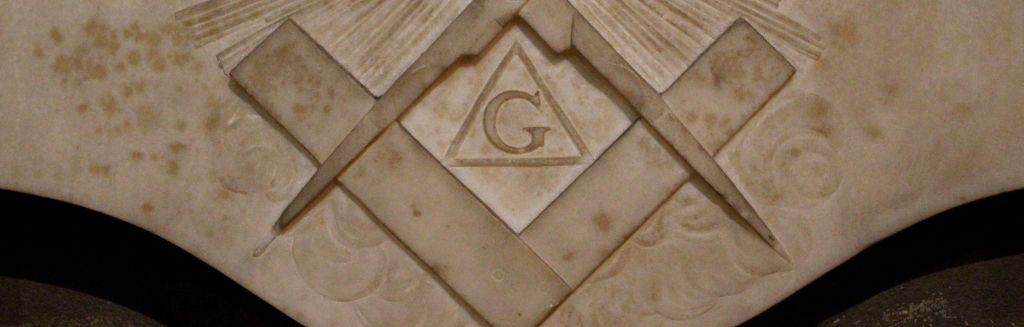
Gardner was not working in isolation. He was deeply familiar with the ceremonial magic of Aleister Crowley, the ritual structure of Freemasonry, and the teachings of the Hermetic Order of the Golden Dawn. He also drew heavily on regional folklore, folk magic and pagan traditions rooted in the British countryside.
What he created from all of this was something new. A spiritual path built around:
Everything changed in 1951 when the Witchcraft Act was finally repealed. For the first time in centuries, witchcraft wasn’t illegal in Britain anymore, and Gardner jumped on the opportunity. Within a few years, he’d published the books that introduced Wicca to the world.
This is where it starts to get really interesting, especially when you look at where modern Wicca actually came from.
Gardner published several key works over time, each building on the last. Together, they show how his ideas developed into what we now recognise as modern Wicca.
This is where it all really begins.
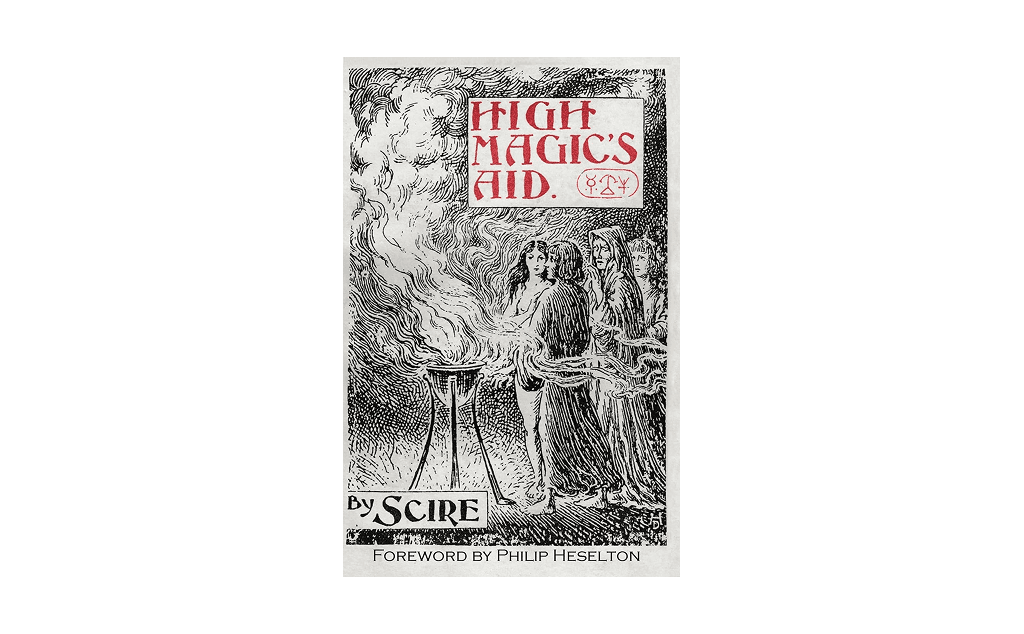
Published before witchcraft was legal in Britain, High Magic’s Aid is technically a novel set in medieval England, filled with ritual magic and occult themes, but it is much more than fiction. The book quietly introduces many of the ideas Gardner would later develop more openly, offering a glimpse into his thinking at a time when he could not yet publicly share his beliefs.
It’s an unusual starting point, but an important one if you want to understand where everything began.
This is the book that brought everything into the open.
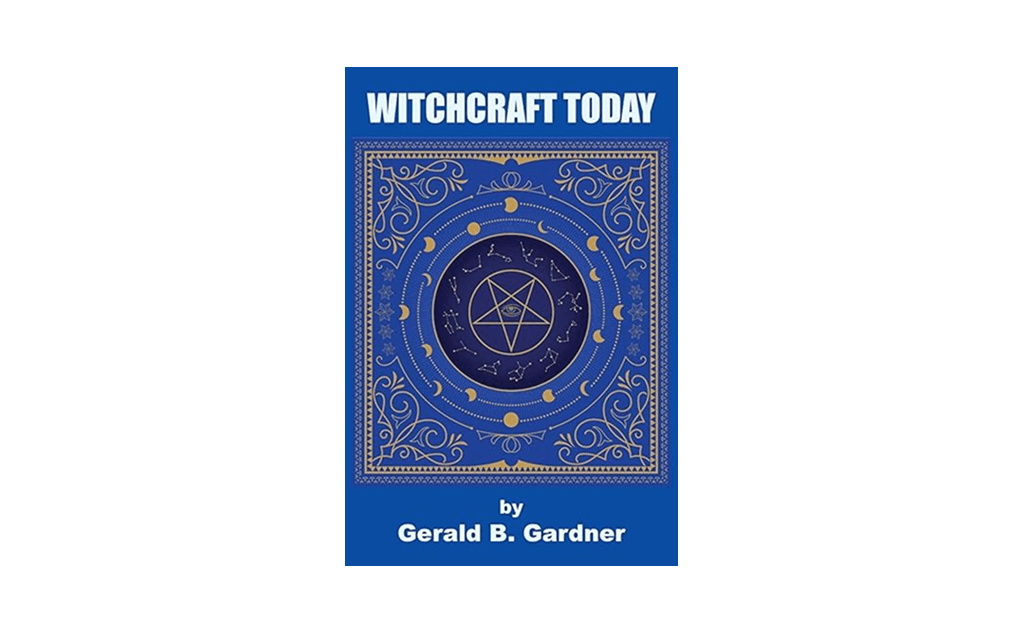
Published just a few years after the Witchcraft Act was repealed in 1951, Witchcraft Today introduced modern witchcraft to a mainstream audience for the first time. Gardner presented the idea that the old craft had survived underground through the centuries and was still being practised by small covens across Britain. It was groundbreaking at the time, and it remains essential reading for anyone interested in the origins of Wicca.
If you only ever read one Gerald Gardner book, this is the one.
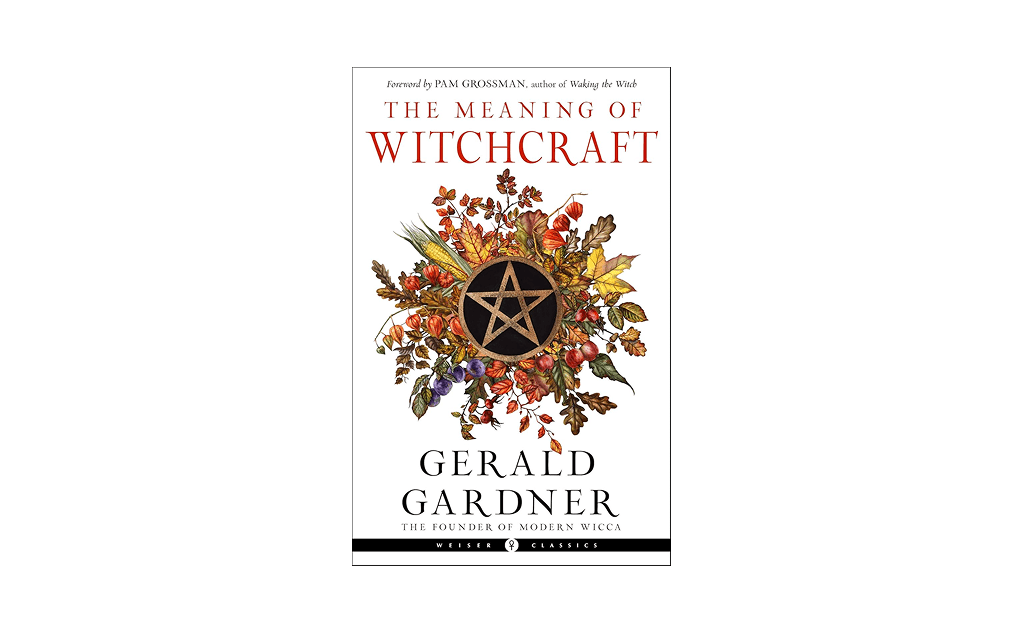
Published five years later, this takes things a step further.
The Meaning of Witchcraft explores the beliefs, rituals and structure of Wicca in much more detail, helping to shape it into a clearer and more established spiritual path. For readers who want to go beyond the basics, this is where the real depth is.
But Gardner’s ideas did not appear out of nowhere.
This is one of the most talked-about parts of Gardner’s work, and it is worth looking at properly.
Gardner drew heavily on Aleister Crowley when developing Wicca. Some of the ritual language in the early Gardnerian tradition is taken almost directly from Crowley’s Thelemic writings. Gardner is even said to have met Crowley in person, although the exact nature of their relationship is still unclear.
The influence of the Hermetic Order of the Golden Dawn is also clear in the structure of Gardnerian ritual. Practices such as:
all have roots in Golden Dawn tradition.
None of this makes Wicca any less meaningful as a spiritual path. But it does challenge the idea that Gardner simply uncovered an ancient, unchanged tradition. Most modern scholars see Wicca as a creative blend of existing beliefs and practices, and many Wiccans today are comfortable with that.
This is the question that has followed Gardner's legacy since the beginning.
His claim to have been initiated into a surviving ancient coven in the New Forest in 1939 has never been conclusively proven or disproven. Some researchers believe the coven existed but was far more informal than Gardner suggested. Others think he may have constructed the founding myth to give Wicca a sense of ancient legitimacy.
What most people agree on is this. Whether or not the New Forest coven was exactly what Gardner claimed, the spiritual tradition he built around that experience is real, coherent and meaningful to millions of people. The debate around his origins does not diminish what he created.
He is still widely recognised as the father of modern witchcraft, and that title is well earned regardless of where the story began.
Here is where it gets interesting for collectors.
Gardner's books were published at a time when print runs were small and the subject matter was still considered fringe. That combination makes certain copies genuinely collectable, particularly earlier editions.
A few things that affect value:
Later editions are common and usually sit within normal second-hand prices. But if you think you might have an early copy, it is always worth a closer look.
Not sure what you have? Our guide on how to identify first edition occult books walks you through what to look for.
And if you are a big fan of witchcraft and the occult, you might also enjoy our blog on 15 must-read books.
Gerald Gardner's work does not exist in isolation. It sits within a much richer tradition of occult and spiritual writing that stretches back centuries and continues today.
If you find yourself drawn to Gardner, there is a good chance you will also enjoy exploring:
Many of these books, particularly older editions, can be just as interesting to collectors as they are to readers.
At WeBuyBooks, we buy thousands of books every day and offer a quick way to check what your books might be worth. You can scan an ISBN using our app, enter the barcode on our website, or check our catalogue for books without an ISBN. We also offer free postage or a home collection service if you decide to send your books in.
Whether you are clearing space, decluttering a shelf, or just curious what an old book might be worth, it is easy to check.
And who knows… you might already have something more valuable than you realise sitting on your shelf.
Would you like to continue the conversation? Share this post!





 How It Works
 How It Works
 Get 10% Extra